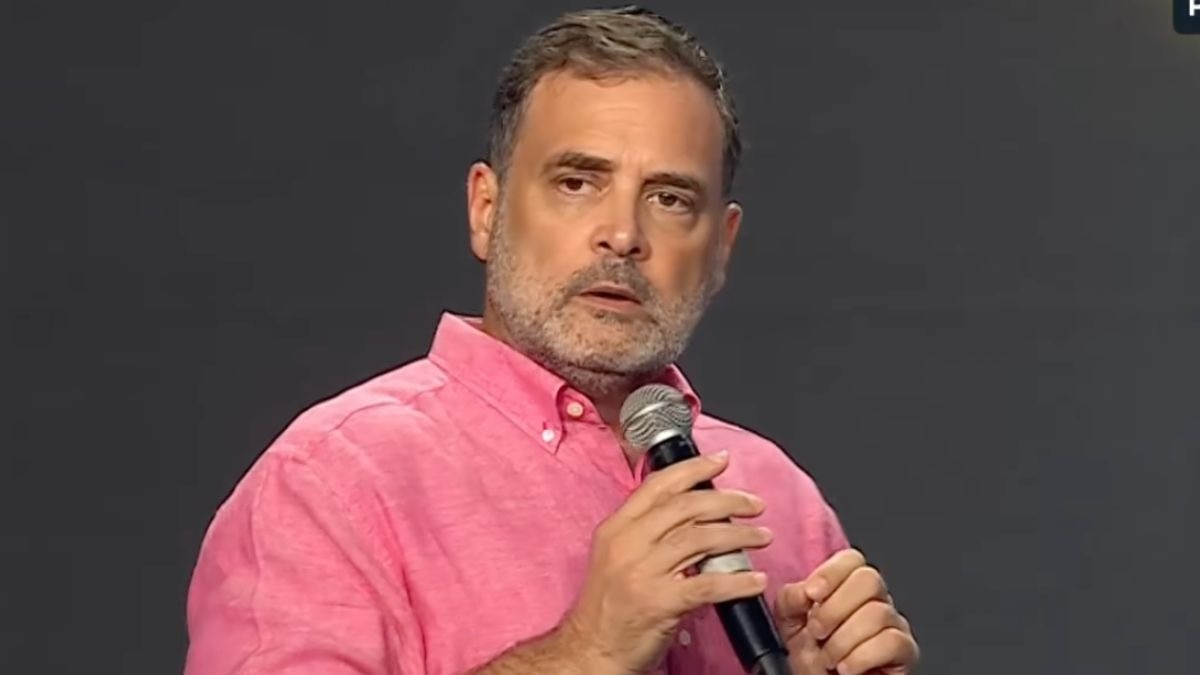
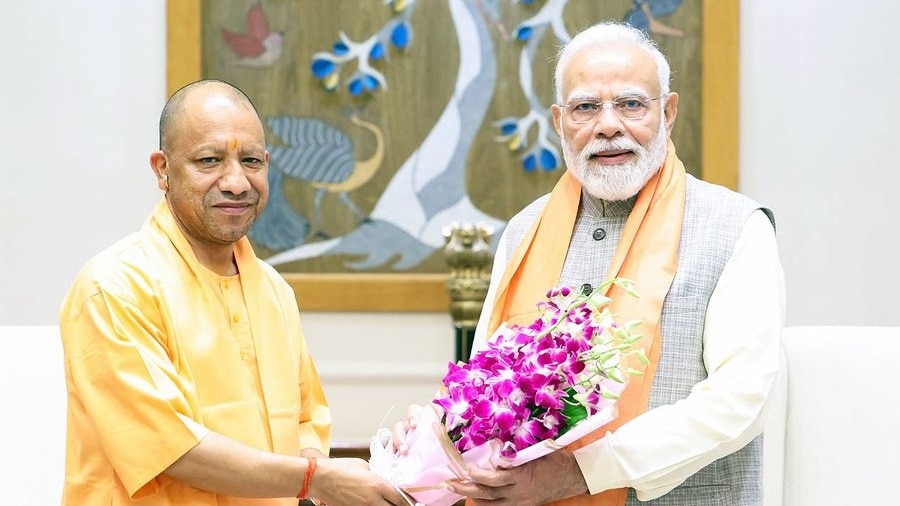
A significant political shift is underway in Latin America as conservative leaders, mirroring Donald Trump's ideology, gain unprecedented momentum across the region.
Key Takeaways
- Conservative and Trump-aligned ideologies are gaining rapid ground in Latin America.
- Regional politics is becoming increasingly polarized and identity-driven.
- New leaders are successfully challenging established left-wing paradigms.
The political landscape of Latin America is undergoing a profound metamorphosis. From the metaphorical 'Lion' to the 'Tiger,' conservative leaders are no longer just participating in politics; they are reshaping the very foundations of regional governance. This movement draws significant ideological parallels to the populist conservatism championed by Donald Trump in the United States.
The Ideological Shift
In nations across Latin America, a new breed of politicians is emerging. These leaders prioritize national sovereignty, strict immigration controls, and traditional social values. This shift is characterized by a rejection of globalist frameworks in favor of staunch nationalism, creating a direct ideological bridge to the 'America First' movement.
Why This Matters
BozokMedia analysis shows that this conservative surge is not merely a local phenomenon but a geopolitical shift that will redefine US-Latin American relations. As these leaders consolidate power, the diplomatic discourse is likely to shift from traditional multilateralism to more transactional, bilateral interests.
The rise of right-wing populism in Latin America represents a seismic shift that could realign the entire Western Hemisphere's political alignment.
Historically, much of Latin America has been a battleground for left-wing movements. However, persistent economic volatility and disillusionment with traditional parties have paved the way for these new conservative heavyweights to seize the narrative.
Frequently Asked Questions
Question 1: How closely do these leaders align with Donald Trump?
Answer: While specific policies vary, they share a core emphasis on nationalism, anti-globalism, and populist rhetoric.
Question 2: What drives this shift in voter sentiment?
Answer: Economic instability, concerns over migration, and a desire for strongman leadership are primary drivers.