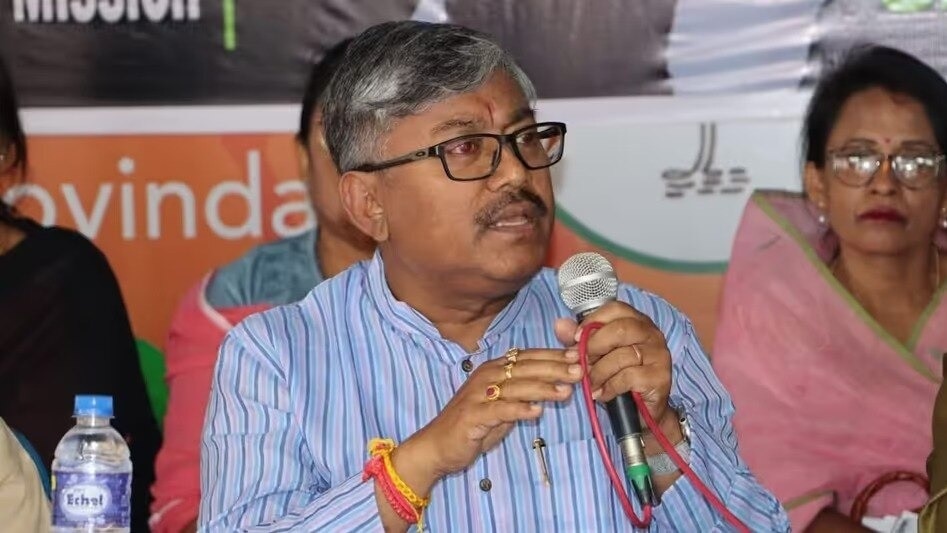
Manipur's Home Minister Govindas Konthoujam announced the state's willingness to implement the National Register of Citizens (NRC) adhering to constitutional and legal norms, amid ongoing unrest affecting the economy.
Key Takeaways
- Manipur ready to implement NRC within constitutional framework
- Prolonged protests have hurt daily‑wage earners and trade
- State pledges to keep all recommendations within constitutional limits
Background
In recent years, the National Register of Citizens (NRC) has sparked controversy across several Indian states. In Manipur, demographic shifts and ethnic tensions have amplified the debate, leading to economic disruptions and heightened security concerns.
State’s Position
Home Minister Govindas Konthoujam, speaking at the inauguration of a two‑day consultative seminar, affirmed that the Manipur government has formally communicated its willingness to carry out the NRC exercise within the constitutional and legal framework. He added, "We may have many political and other differences, but when it comes to the public and their interests, all should come together for the state and the people."
Economic Impact
Chief Minister Y. Khemchand Singh highlighted that repeated bandhs, blockades and various agitations have strained the state's economy, especially affecting daily‑wage earners. The ongoing blockade has also created serious difficulties for truck drivers stranded on national highways while transporting essential commodities.
Why This Matters
BozokMedia analysis shows that a constitutionally‑compliant NRC in Manipur could set a precedent for other northeastern states grappling with similar demographic concerns, while also influencing central‑state relations.
Constitutional compliance is essential for any NRC implementation, says constitutional law expert Dr. R. Singh.
Historical Background
The initial NRC draft in Assam in 2019 triggered widespread protests, leading to legal challenges and concerns over disenfranchisement. That episode heightened caution across the Northeast, prompting Manipur to emphasize a constitution‑first approach as it navigates its own demographic complexities.
Frequently Asked Questions
Q1: What legal hurdles could Manipur face while implementing the NRC?
A: Major challenges include data verification in remote border areas and potential reviews by constitutional courts.
Q2: Will the NRC improve the state's economic situation?
A: While clearer citizenship records could foster long‑term stability, short‑term economic effects may be negative due to protests and logistical disruptions.