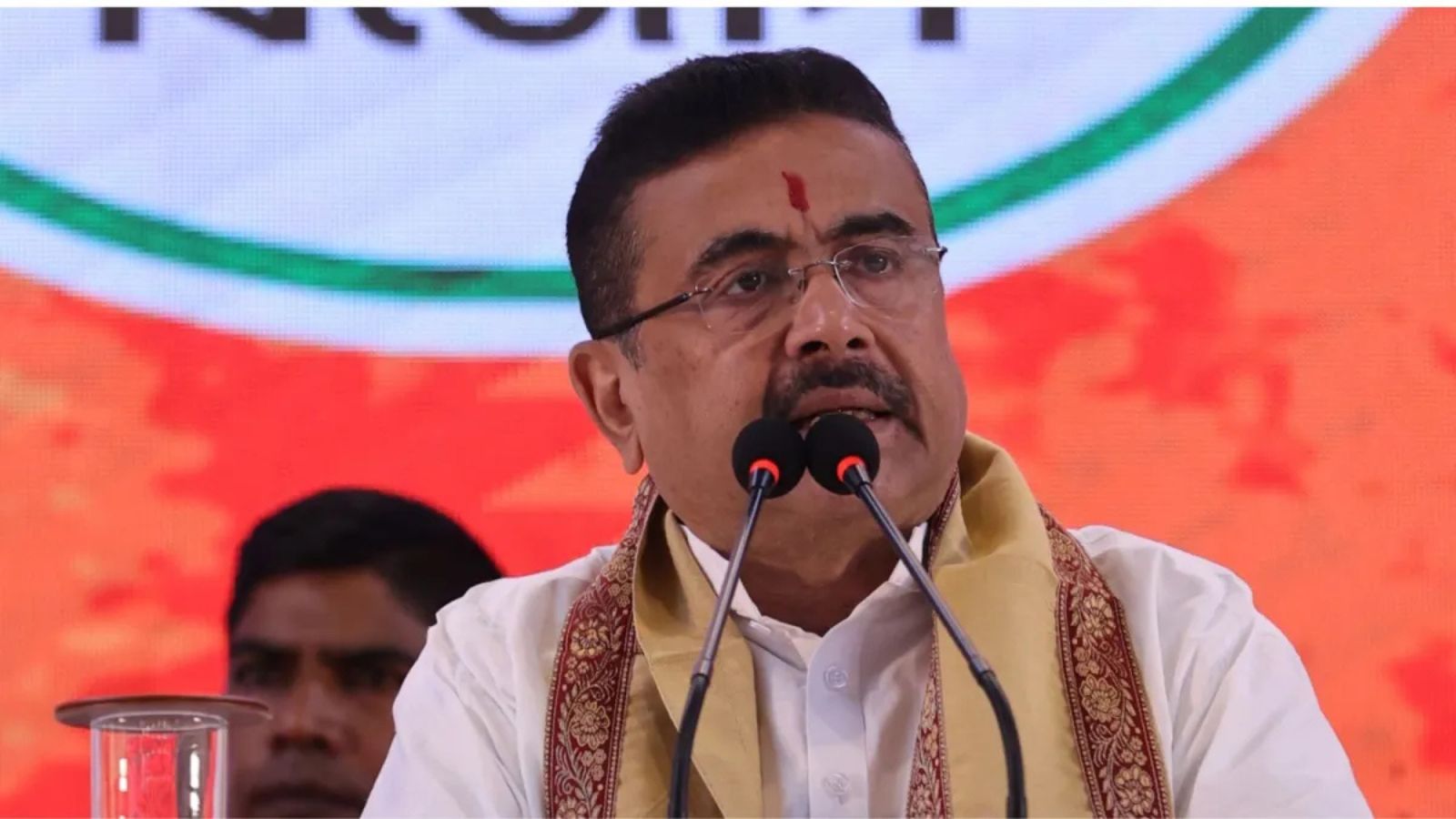
Minister B. Nagendra visited drought-stricken villages in Sandur to assess crop damage. He promised comprehensive relief measures and strict action against industrial pollution.
Key Takeaways
- Minister B. Nagendra inspected drought-affected fields in Sandur, Ballari district.
- The government will submit a report to the CM to decide on relief packages for small farmers.
- Irrigation water release decisions depend on Tungabhadra reservoir reaching 80 tmcft.
- Strict directives issued to control industrial pollution and wastewater discharge.
Minister B. Nagendra visited the drought-affected villages of Sandur taluk in Ballari district on Friday to assess the extent of crop damage and the prevailing agricultural crisis. Accompanied by Sandur MLA E. Annapurna and district officials, the Minister personally interacted with farmers in Vitthalapur village to understand the ground reality of the monsoon failure.
Addressing the media, Mr. Nagendra emphasized that the State government is committed to supporting the farming community. He highlighted that small and marginal farmers, particularly those holding 1 to 5 acres of land, are the hardest hit by the current drought conditions. A comprehensive report will be submitted to the Chief Minister to facilitate the announcement of necessary relief measures.
Why This Matters
BozokMedia analysis shows that the convergence of a 67% rainfall deficit and a slowdown in local mining activities has created a severe economic vacuum in the Sandur region. Without immediate intervention, the socio-economic stability of these rain-fed farming communities could be at risk.
"The government's priority is to ensure that technical hurdles do not prevent eligible farmers from accessing crop insurance and state aid."
Beyond agriculture, the Minister addressed growing concerns regarding industrial pollution. Complaints of dust pollution and the discharge of contaminated water into local lakes have led to fish deaths and health issues. Mr. Nagendra announced that a meeting with the Karnataka State Pollution Control Board will be convened to mandate the installation of advanced filtration systems in local industries.
Historical Background
Sandur has traditionally been a region where agriculture and mining coexist. However, the increasing volatility of monsoon patterns in Ballari district has made rain-fed agriculture increasingly precarious for small-scale landholders.
Frequently Asked Questions
Q1: When will irrigation water be released from Tungabhadra?
A: A decision will be made once the Tungabhadra reservoir storage reaches the 80 tmcft mark.
Q2: What is being done about water pollution?
A: The government plans to establish a Sewage Treatment Plant (STP) to prevent untreated wastewater from contaminating local water bodies.