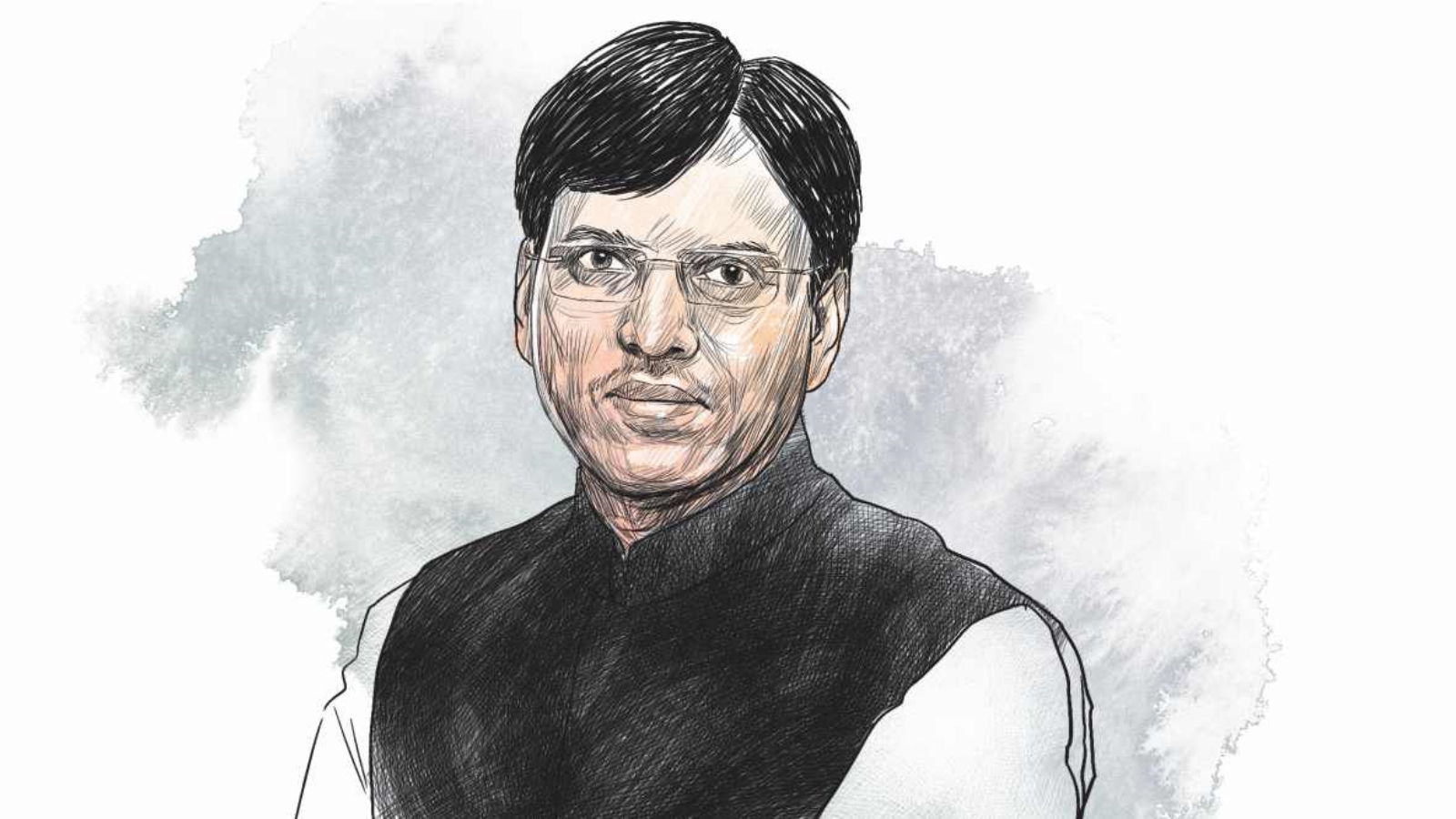
A data‑rich PowerPoint delivered by Union Minister Mansukh Mandaviya at the NDA Parliamentary Party meeting surprised many lawmakers, equipping them with concrete figures to counter opposition narratives. The episode underscores the BJP’s growing reliance on data‑driven communication within the ruling alliance.
Key Takeaways
- Mansukh Mandaviya showcased 12 years of employment and sports data
- The presentation supplied hard facts to rebut opposition claims
- Congressional reliance on data‑centric messaging is rising
Unexpected Data Power at NDA Meeting
During the recent NDA Parliamentary Party meeting, a PowerPoint presentation became the focal point of discussion among ruling‑alliance MPs. Union Minister Mansukh Mandaviya presented a data‑backed overview of employment generation and sports transformation over the past 12 years, catching many legislators off‑guard.
Sources say the data‑driven deck armed MPs with concrete numbers and charts, enabling them to challenge the opposition’s narrative effectively. After the session, animated debates erupted, highlighting the BJP’s increasing dependence on factual communication even within its own coalition.
Historical Background
India’s political use of data began in the late 1990s, but it accelerated after 2014 when the BJP adopted large‑scale analytics for election campaigning. This shift has gradually moved from electoral strategy to legislative discourse, with data now shaping policy debates inside Parliament.
Why This Matters
BozokMedia analysis shows that data‑centric messaging not only strengthens policy formulation but also equips the ruling party with robust counters to opposition rhetoric. Consequently, the rise of data literacy in parliamentary proceedings could redefine transparency and accountability in Indian politics.
"Data‑driven politics is adding a new layer to democratic dialogue in India," notes senior political analyst Dr. Anita Sharma.
Frequently Asked Questions
Question 1: Are the figures from the presentation publicly accessible?
Answer: The full report has not yet been released, though key statistics may be published on the ministry’s website.
Question 2: What impact could this data‑centric approach have on upcoming sessions?
Answer: Experts believe it will set a new standard for data‑informed policy debates in the Lok Sabha.