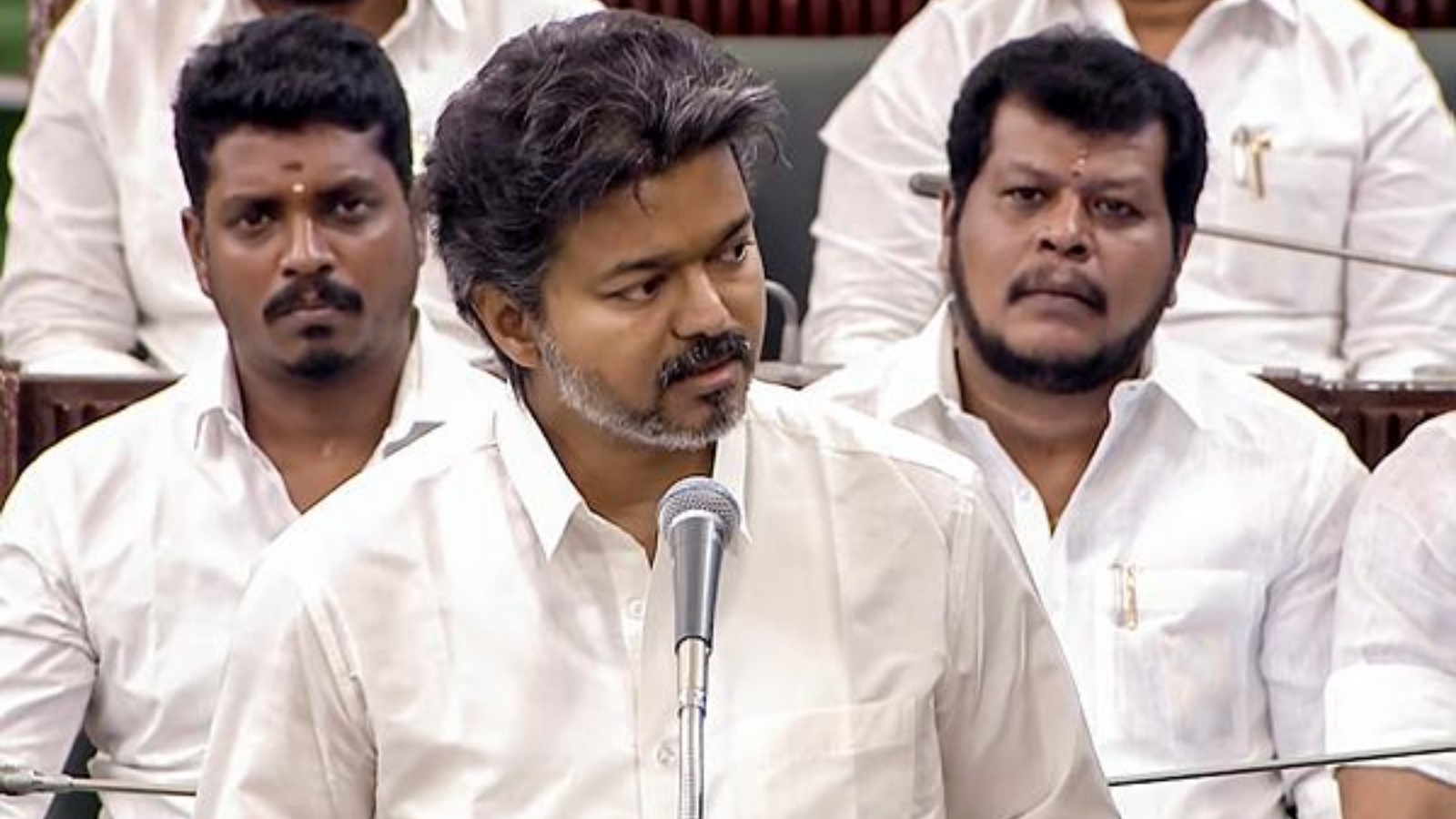
Tamil Nadu Chief Minister C. Joseph Vijay announced his personal initiative to open direct political talks with Karnataka over the Cauvery water dispute. He argued that even hostile nations seek resolution through dialogue, making the attempt worthwhile despite opposition.
Key Takeaways
- Vijay personally initiated the Bengaluru visit proposal
- No shift in Tamil Nadu's legal stance on Cauvery
- Dialogue presented as an additional political strategy
Chief Minister C. Joseph Vijay of Tamil Nadu disclosed that the idea to meet Karnataka’s leadership in Bengaluru originated with him. He emphasized that "even hostile nations try to resolve issues through dialogue," positioning the move as a calculated risk to explore any possible opening in the long‑standing Cauvery dispute.
Addressing a special motion in the Assembly, Vijay reaffirmed that his government’s legal position remains unchanged. While refusing to dilute the state’s longstanding claims, he argued that political engagement could complement litigation, potentially yielding even a single positive signal toward settlement.
Karnataka rejected the proposed meeting, insisting that the Cauvery dispute is already governed by the final award of the Cauvery Water Disputes Tribunal and subsequent Supreme Court orders. Opposition parties criticized the outreach, urging Tamil Nadu to rely solely on legal avenues rather than political dialogue.
Vijay admitted that critics warned of possible public humiliation if Karnataka declined, yet he stated, "Even if that attempt had resulted in humiliation, I was prepared to endure it for the sake of the people of Tamil Nadu." He framed the river as "our lifeline" and insisted that protecting Tamil Nadu’s water rights remains non‑negotiable.
Historical Background
The Cauvery water dispute dates back to the 1960s when Karnataka began constructing upstream reservoirs, sparking a series of legal battles. The 2018 final award of the Cauvery Water Disputes Tribunal and subsequent Supreme Court rulings have shaped the current framework, while Karnataka’s proposed Mekedatu balancing reservoir continues to be a flashpoint.
Why This Matters
BozokMedia analysis shows that Vijay's blend of litigation and dialogue could set a precedent for Indian states, encouraging cooperative approaches to resolve entrenched inter‑state water conflicts and safeguarding millions who depend on the river.
"Combining diplomatic outreach with legal action offers the best chance for a sustainable resolution of water disputes," water policy expert Dr. Anita Rao noted.
Frequently Asked Questions
Q1: Has Karnataka agreed to the proposed Bengaluru meeting?
A: No, Karnataka has declined the invitation, citing existing legal frameworks governing the dispute.
Q2: What impact could the Mekedatu project have on Tamil Nadu?
A: Experts warn that Mekedatu could reduce downstream flow, affecting agriculture and water availability in Tamil Nadu.