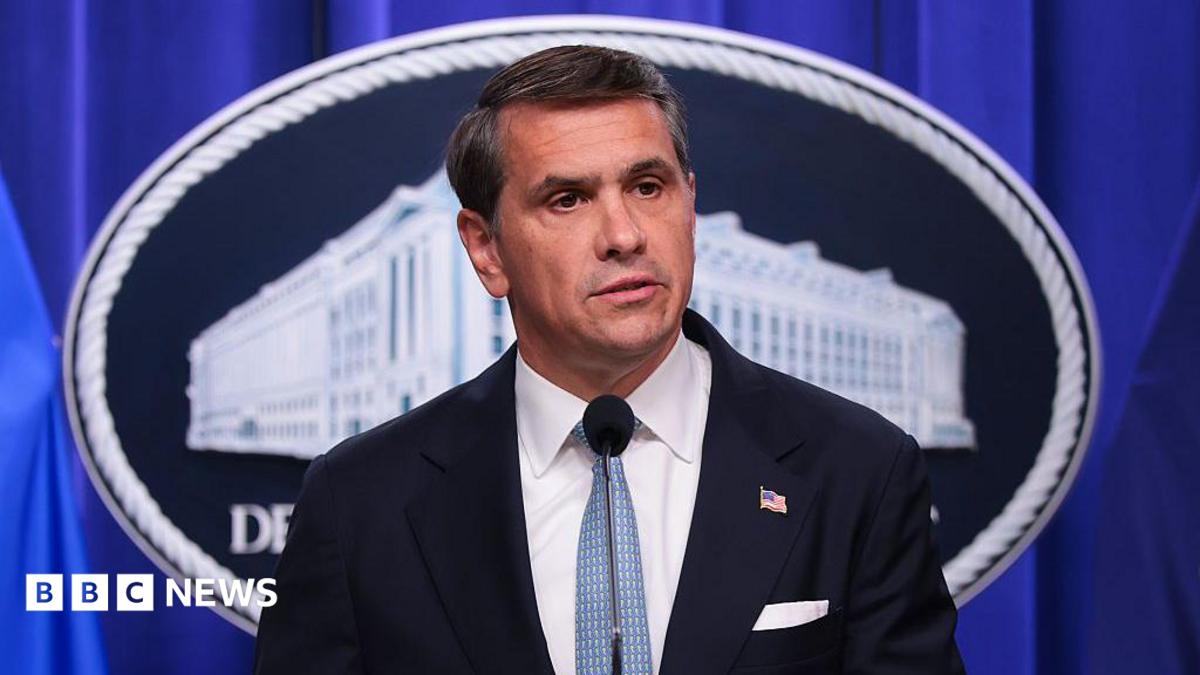
In a razor-thin 50-49 vote, Todd Blanche has been confirmed as the US Attorney General, breaking a long-standing Senate standoff.
Key Takeaways
- Todd Blanche secured confirmation with a decisive 50-49 Senate vote.
- Republican Senator Bill Cassidy provided the tie-breaking support.
- Democrats voted unanimously against the nomination.
- Blanche pledged to retract controversial funding plans for an 'anti-weaponization' fund.
President Donald Trump's former personal attorney, Todd Blanche, has officially been confirmed as the United States Attorney General. The confirmation came after a tense 50-49 vote in the Senate, marking the end of a prolonged standoff regarding the leadership of the nation's top law enforcement agency.
The vote saw significant division within the Republican party. While Senator Bill Cassidy emerged as the deciding factor, Republican Senators Susan Collins and Lisa Murkowski broke ranks to oppose the nomination. All Democrats voted against Blanche, citing concerns over the potential politicization of the Justice Department.
Why This Matters
BozokMedia analysis shows that Blanche's confirmation provides the Trump administration with a loyalist at the helm of the Department of Justice. This move is crucial for the administration's legal strategy, especially as they navigate complex investigations and policy shifts. The narrow margin highlights the deep partisan divide currently defining Washington D.C.
Blanche's ascent signifies a consolidation of executive power over the legal apparatus of the United States.
During the hearings, intense scrutiny was placed on Blanche's handling of Jeffrey Epstein-related documents and his role in proposing a $1.8 billion 'anti-weaponization' fund. To secure enough support, Blanche eventually pledged to walk back the fund, which critics feared would reward participants in the January 6 Capitol attack.
Historical Background
Blanche has been serving as the acting attorney general since April, following the dismissal of Pam Bondi. His transition from Trump's personal lawyer to the nation's top prosecutor represents a significant shift in the traditional boundaries between personal legal counsel and public law enforcement roles.
Frequently Asked Questions
1. Why did Senator Murkowski oppose the nomination?
She cited a lack of confidence in Blanche's ability to check the 'worst impulses' of the administration.
2. What was the 'anti-weaponization' fund?
It was a proposed $1.8 billion fund intended to compensate individuals alleging government persecution, which faced heavy criticism from within the GOP.


