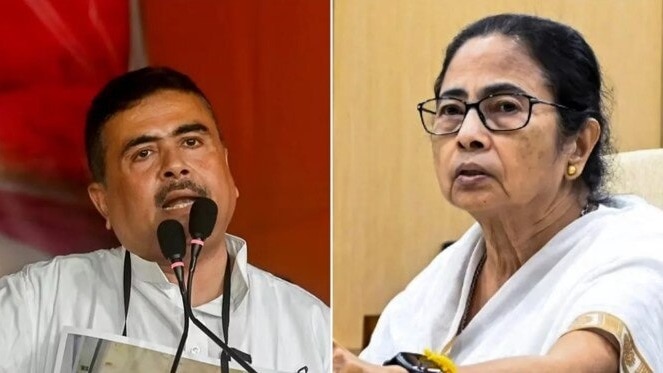
CPI State Secretary M. Veerapandian has termed the proposed delimitation process a political conspiracy aimed at undermining South Indian states. The party also raised concerns over the Cauvery water dispute.
Key Takeaways
- CPI alleges delimitation aims to reduce South Indian political representation.
- The party demanded an all-party meeting regarding the Cauvery water issue.
- Veerapandian emphasized self-reliance over heavy reliance on foreign investment.
In a significant political development, Communist Party of India (CPI) State Secretary M. Veerapandian has labeled the delimitation process as a calculated political conspiracy. Speaking during the inauguration of a nationwide padyatra in Tiruchengode, Namakkal district, he expressed grave concerns regarding the future of regional representation.
Veerapandian alleged that the Union Government is attempting to manipulate seat allocations by reducing the number of parliamentary seats for South Indian states while increasing them for North Indian states. This move, he claims, is a direct attempt to shift the political balance of power in the country.
Why This Matters
BozokMedia analysis shows that the delimitation debate is a cornerstone of India's federal tension. As southern states have successfully implemented population control measures, they face the risk of losing legislative influence if seat distribution is strictly tied to raw population numbers, potentially penalizing developmental success.
"The delimitation issue is not just about numbers; it is about the fundamental survival of federalism in India."
Beyond delimitation, the CPI leader addressed the Cauvery water dispute and the construction of the Mekedatu dam. He urged all political parties to unite, setting aside partisan politics, to protect Tamil Nadu's water rights and ensure the implementation of court verdicts regarding the Cauvery river.
Historical Background
Delimitation in India is the act of redrawing boundaries of Lok Sabha and State Assembly seats to reflect population changes. The tension arises because states that have achieved lower fertility rates (predominantly in the South) fear being under-represented compared to states with higher population growth rates (predominantly in the North).
Frequently Asked Questions
1. Why is the CPI against delimitation?
The CPI believes the process is being used to reduce the political voice of South Indian states in favor of Northern states.
2. What is the CPI's stance on the Cauvery issue?
They demand an all-party meeting and strongly oppose the construction of the Mekedatu dam to protect Tamil Nadu's water security.