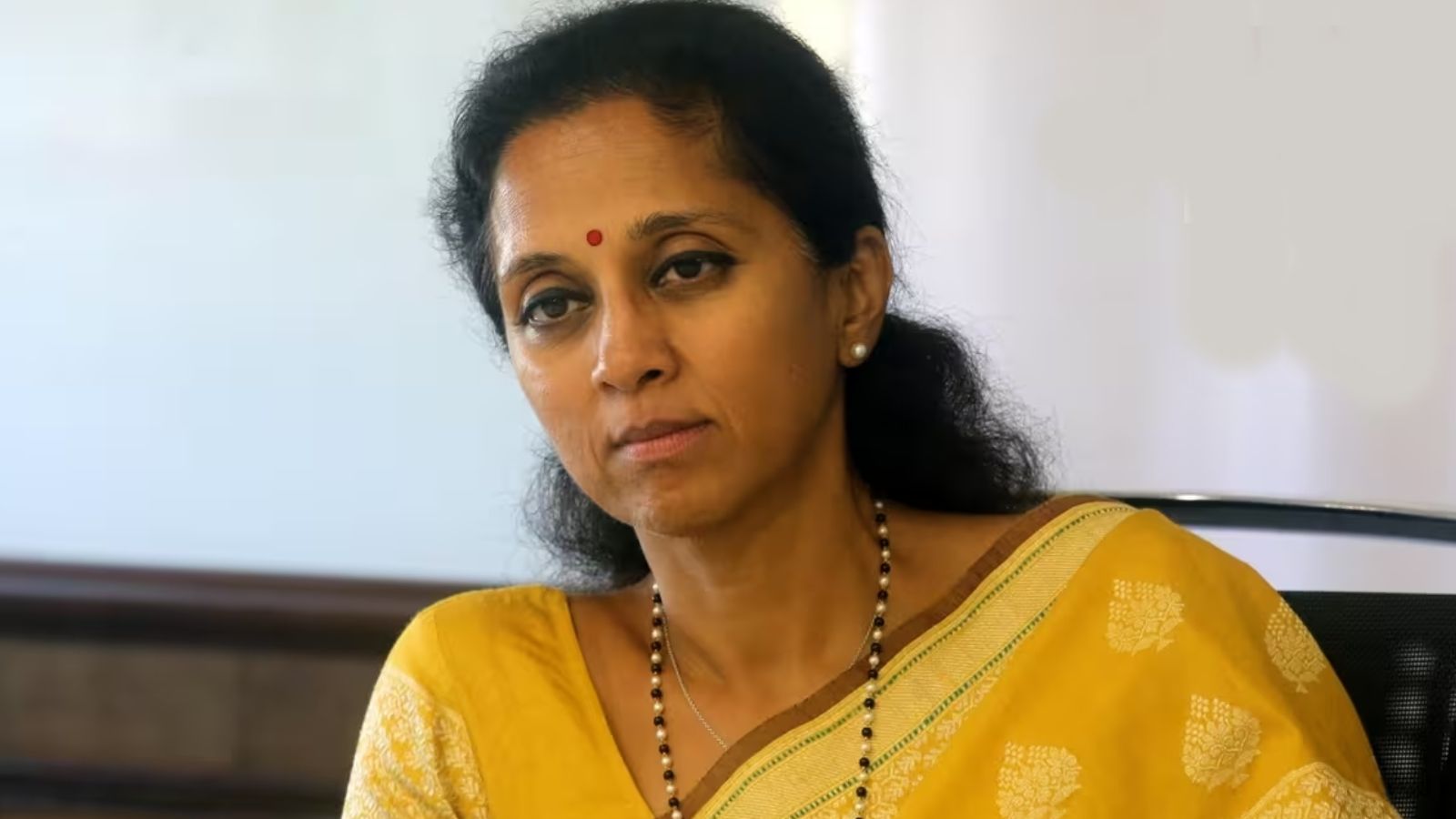
BSP chief Mayawati has vehemently rejected the proposal of applying a 'creamy layer' to SC/ST communities, calling it unconstitutional and criticizing the RSS for its stance.
Key Takeaways
- Mayawati rejected the 'creamy layer' concept for SC/ST reservations.
- She criticized the RSS for what she termed a 'casteist mindset.'
- The BSP leader emphasized that reservation is vital for social transformation and self-respect.
- She urged the Centre to defend the rights of SC/STs effectively in court.
Bahujan Samaj Party (BSP) supremo Mayawati on Sunday vehemently opposed the introduction of the 'creamy layer' concept within the reservation quotas for Scheduled Castes (SC) and Scheduled Tribes (ST). She argued that affirmative action is intrinsically linked to their social transformation, economic emancipation, and fundamental self-respect.
In a strongly worded post on X, Mayawati stated that reservation is an "extremely important and sensitive" issue for the SC, ST, and OBC communities. She highlighted that for SCs and STs, who have endured centuries of discrimination, exploitation, and deprivation, discussing a 'creamy layer' is not only inappropriate but directly contradicts the humanitarian objectives of the Constitution envisioned by Dr. B.R. Ambedkar.
Why This Matters
BozokMedia analysis shows that the debate over the 'creamy layer' in SC/ST categories is a flashpoint in Indian politics. While the concept exists for OBCs, extending it to SC/STs challenges the core legal argument that caste-based discrimination is distinct from mere economic status.
Caste discrimination cannot be measured merely through economic progress; its impact continues to affect every aspect of the lives of those who have suffered from it.
The BSP leader also launched a scathing attack on RSS chief Mohan Bhagwat. Following Bhagwat's remarks that reservation has been politicized and that beneficiaries should voluntarily relinquish their benefits, Mayawati described the RSS position as reflecting a "casteist mindset." She noted that such views might serve narrow political interests but would ultimately undermine constitutional objectives.
Historical Background
The reservation system in India was designed to address historical injustices and provide representation to marginalized groups. While the 'creamy layer' principle was established to ensure benefits reach the most needy within the OBC category, the SC/ST communities have historically maintained that their struggle is against social exclusion, which economic status alone cannot rectify.
Frequently Asked Questions
1. What is the 'creamy layer' in the context of reservation?
It refers to a threshold of income or social status above which individuals are excluded from receiving reservation benefits.
2. Why is Mayawati against it for SC/STs?
She believes caste-based oppression is a social issue that cannot be solved simply by looking at an individual's economic wealth.