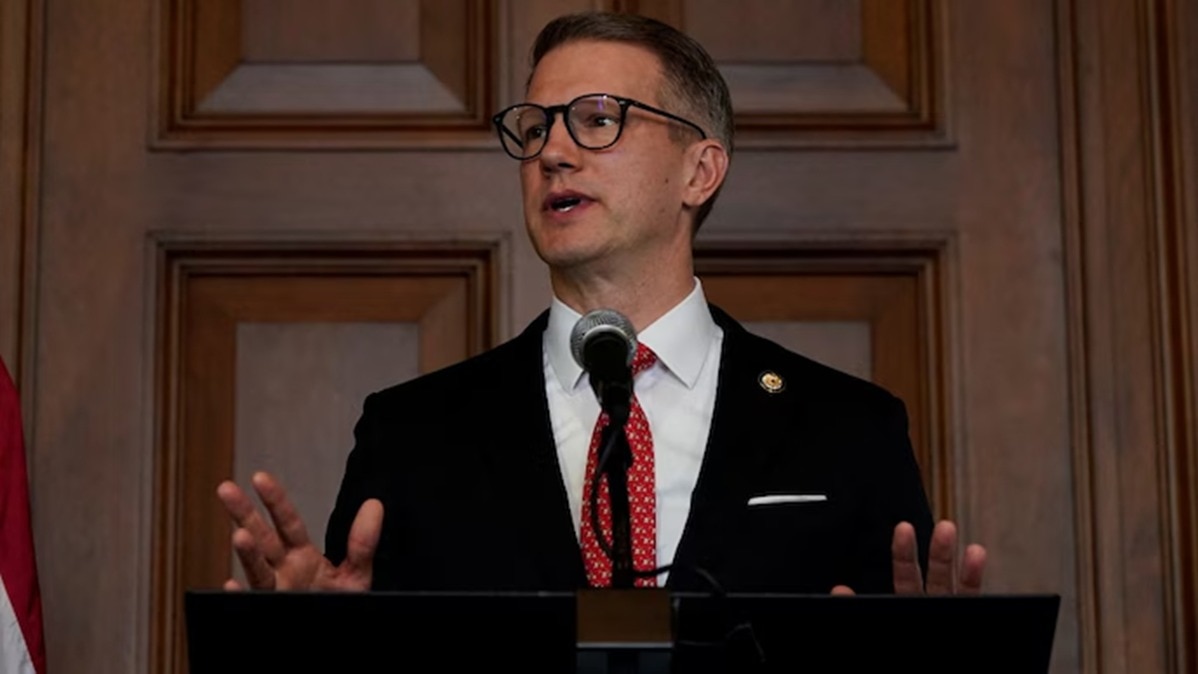
India’s ambassador to the United States, Vinay Mohan Kwatra, sought to dispel misconceptions surrounding the proposed Foreign Contribution (Regulation) Amendment Bill, following concerns raised by US Congressman Riley Moore. The diplomatic exchange highlights heightened scrutiny of India’s foreign funding rules.
Key Takeaways
- Ambassador clarified the bill's intent
- US lawmaker expressed concerns over potential misuse
- Government asserts the amendment strengthens oversight
India’s ambassador to the United States, Vinay Mohan Kwatra, has taken to the media to clear up what he calls misconceptions surrounding the proposed Foreign Contribution (Regulation) Amendment Bill, 2026. His remarks come shortly after US Congressman Riley Moore flagged concerns about the legislation’s possible impact on religious groups and NGOs.
Moore warned that the bill could enable undue foreign influence and jeopardize the operational freedom of civil‑society organizations. The Indian government, however, maintains that the amendment is designed to tighten oversight, improve transparency, and is not aimed at any specific community.
Introduced in the Lok Sabha on March 25, the bill seeks to amend the 2010 Foreign Contribution (Regulation) Act by adding provisions on assets created with foreign funds when an organization’s FCRA registration is cancelled, surrendered, or not restored.
Why This Matters
BozokMedia analysis shows that international scrutiny of India's foreign funding framework could influence bilateral relations and affect the operational space of NGOs, making the amendment a pivotal policy debate.
"Transparent foreign funding is essential for democratic resilience."
Frequently Asked Questions
- What are the key changes proposed in the FCRA amendment? The bill tightens reporting standards, adds stricter asset‑management rules for foreign‑funded entities, and clarifies procedures when registration is revoked.
- How might the amendment affect NGOs in India? NGOs will face more rigorous accounting, tighter timelines for compliance, and potentially higher operational costs.