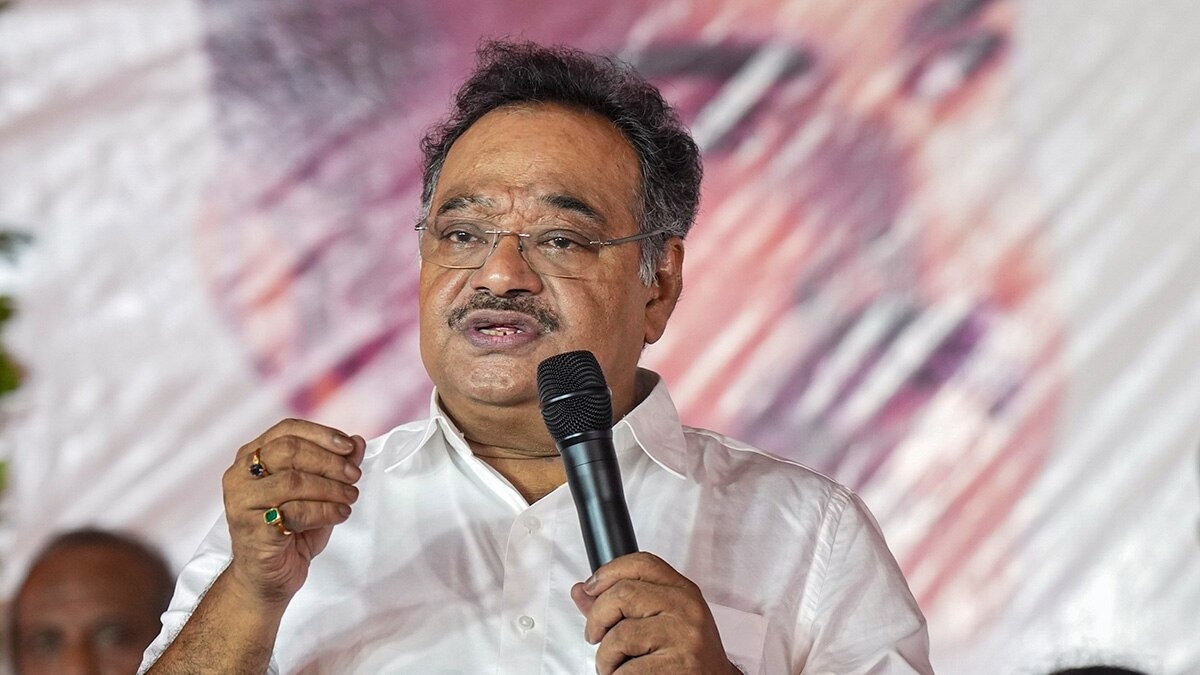
A significant political divide is emerging within Iran as pragmatists clash with ultraconservative factions over potential negotiations with the United States.
Key Takeaways
- A growing ideological gap exists between Iran's pragmatic 'dealmakers' and hardline ultraconservatives.
- Foreign Minister Abbas Araghchi is facing intense scrutiny over US-related negotiations.
- The internal friction threatens to destabilize Iran's long-term foreign policy strategy.
The political landscape of Iran is witnessing a profound internal struggle that could reshape its role on the global stage. The tension is primarily between the pragmatic faction, often referred to as 'dealmakers,' who seek economic relief through diplomacy, and the ultraconservative hardliners who view any engagement with the West as a betrayal of revolutionary principles.
Targeting Foreign Minister Araghchi
At the heart of this storm is Foreign Minister Abbas Araghchi. He has become a lightning rod for criticism from hardline elements within the Iranian establishment. These critics argue that his efforts to engage in dialogue with the United States are undermining the country's core sovereignty and ideological integrity.
Why This Matters
BozokMedia analysis shows that this isn't just a domestic power struggle; it is a battle for the soul of Iranian diplomacy. A victory for the hardliners could lead to increased isolation, while a win for the dealmakers might open doors to sanctions relief but at the cost of intense internal political instability.
The internal fracture within Tehran represents a critical pivot point for Middle Eastern stability and global nuclear diplomacy.
Historical Background
Iran has a long history of tension between its pragmatic and ideological wings. This friction was most visible during the negotiation and subsequent implementation of the 2015 Joint Comprehensive Plan of Action (JCPOA), which created deep scars within the Iranian political elite that persist to this day.
Frequently Asked Questions
1. What is the main cause of the rift in Iran?
The primary cause is the disagreement over how to handle relations with the United States and whether diplomacy can effectively lift economic sanctions.
2. Who is Abbas Araghchi?
Abbas Araghchi is the Iranian Foreign Minister currently navigating the complex diplomatic tensions between domestic hardliners and international powers.