In a major political development, the Indian government is set to refer the controversial Foreign Contribution Regulation Act (FCRA) Amendment Bill to a Joint Parliamentary Committee (JPC). This decision comes amid fierce protests from opposition parties, including Congress and TMC, who have demanded a complete withdrawal of the bill.
Key Takeaways
- The Union Government is likely to refer the FCRA Amendment Bill to a Joint Parliamentary Committee (JPC) following intense opposition.
- Opposition parties, led by Congress and TMC, had demanded the complete rollback of the proposed amendments.
- Nagaland Chief Minister Neiphiu Rio has also appealed to Union Home Minister Amit Shah to reconsider the amendments due to regional concerns.
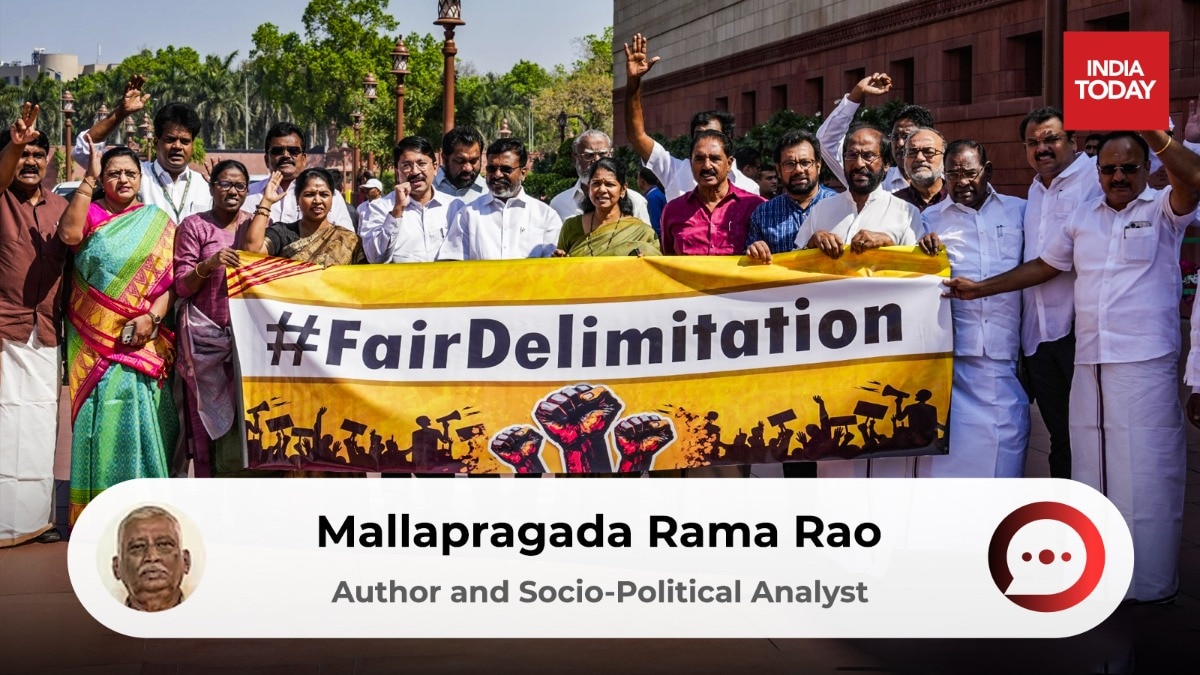
Amid ongoing disruptions and intense protests in the Parliament, the Union Government has decided to take a step back on the controversial Foreign Contribution Regulation Act (FCRA) Amendment Bill. The government is now preparing to refer the bill to a Joint Parliamentary Committee (JPC). This move is being viewed as a significant tactical victory for the opposition block, which has been relentlessly demanding a complete withdrawal of the proposed legislation.
Opposition parties, including the Congress and the Trinamool Congress (TMC), have raised serious objections over several provisions of the draft bill. They argue that the proposed amendments would severely choke the functioning of non-governmental organizations (NGOs) and civil society groups. Opposition MPs allege that the government intends to use these stringent regulations as a tool to target political adversaries and silence dissenting voices.
Why This Matters
BozokMedia analysis shows that sending the FCRA Bill to a JPC represents a strategic retreat by the ruling coalition to avoid legislative deadlock. In the current political landscape, where the opposition is more formidable and unified, the government cannot easily bulldoze controversial laws without building a consensus. By involving a bipartisan committee, the government hopes to buy time and dilute intense floor scrutiny.
"Referring a sensitive bill like the FCRA amendment to a JPC is a classic parliamentary mechanism to defuse immediate political tension while ensuring detailed, bipartisan scrutiny of complex financial regulations." - Senior Political Analyst.
Historical Background
The Foreign Contribution (Regulation) Act was first enacted in 1976 during the Emergency. Its primary objective was to ensure that foreign hospitality and funds did not influence India's electoral politics, public servants, and democratic institutions. Over the decades, the law has undergone several transformations, most notably in 2010 and 2020, which significantly tightened the compliance burden on organizations receiving foreign funding.
The current controversy has also found resonance in the Northeast. Nagaland Chief Minister Neiphiu Rio recently met Union Home Minister Amit Shah to appeal for a reconsideration of the FCRA amendments. Rio highlighted that the proposed changes could inadvertently disrupt the crucial social, educational, and philanthropic activities carried out by various voluntary organizations in the region.
| Provisions | Old FCRA Rule | Proposed Amendment |
|---|---|---|
| Administrative Expenses | Organizations could spend up to 20% of foreign funds on administrative costs. | Proposed to further lower the cap on administrative spending. |
| Registration & Compliance | Moderate documentation with periodic renewals. | Stricter compliance, mandatory Aadhaar integration, and rigorous background checks. |
Frequently Asked Questions
1. What is the FCRA Amendment Bill?
It is a legislative proposal aimed at further regulating and monitoring the inflow of foreign funds into non-governmental organizations (NGOs) and associations operating within India to protect national security interests.
2. What does referring a bill to a JPC mean?
Referring a bill to a Joint Parliamentary Committee (JPC) means that a select group of members from both the Lok Sabha and Rajya Sabha will examine the draft bill clause-by-clause, consult stakeholders, and present a comprehensive report to Parliament.