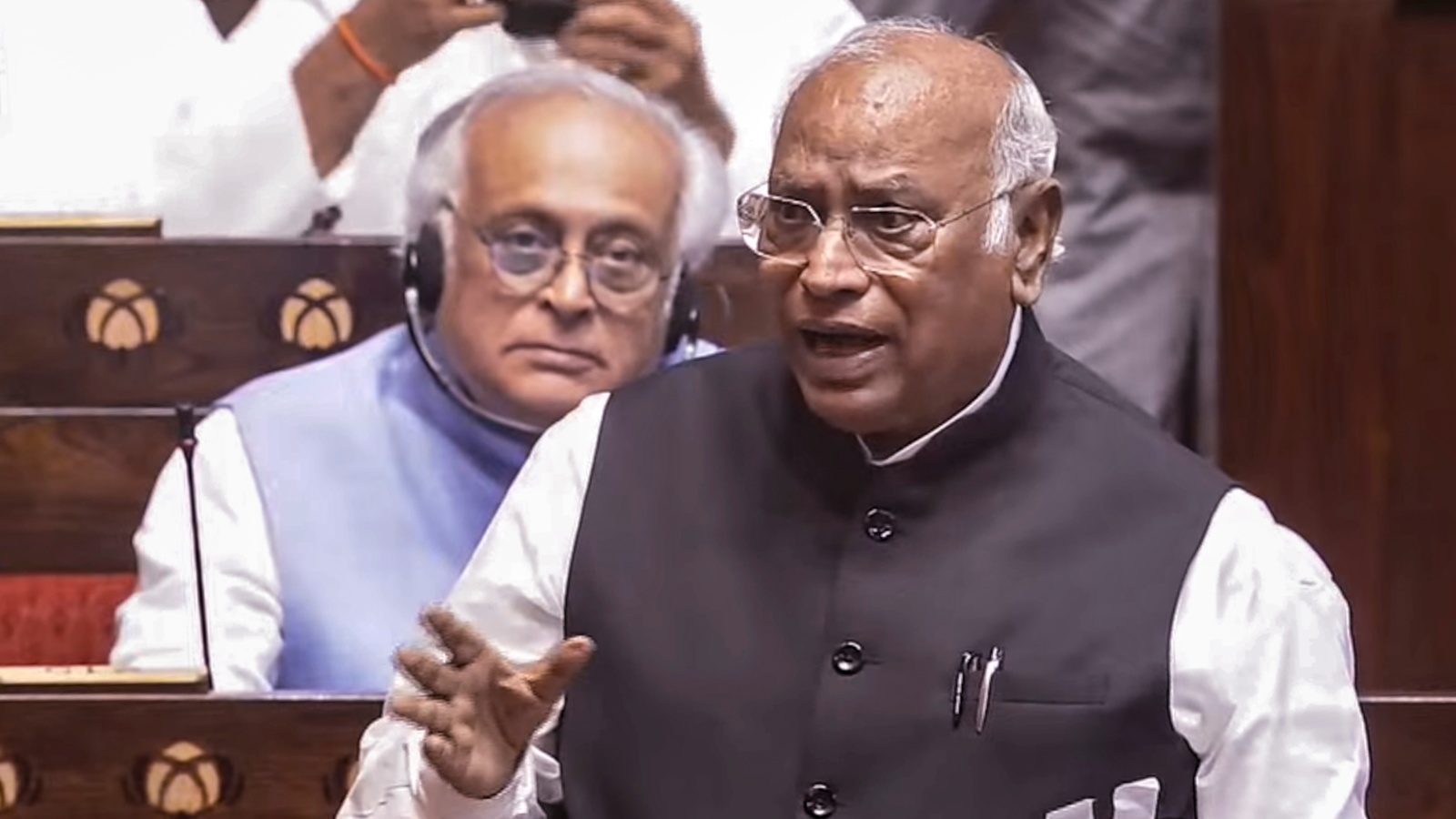
The Rajya Sabha has passed the Tribunals Reforms Bill, 2026, through a voice vote amidst intense sloganeering and a mass walkout by Opposition members. The Bill proposes the creation of a National Tribunal Commission (NTC).
Key Takeaways
- The Rajya Sabha passed the 'Tribunals Reforms Bill, 2026' via voice vote.
- A new National Tribunal Commission (NTC) will be established to oversee appointments.
- The NTC will be headed by a former Supreme Court judge or High Court Chief Justice.
- Opposition raised concerns regarding SC/ST representation and transparency.
In a high-voltage session in New Delhi on Tuesday, the Rajya Sabha passed the Tribunals Reforms Bill, 2026. The proceedings were marked by significant disruptions, as Opposition MPs staged a walkout following disagreements over the scope of debate and unaddressed grievances ranging from the Ram Mandir donation row to state-specific protests.
The Emergence of the National Tribunal Commission (NTC)
Union Minister of State for Law and Justice, Arjun Ram Meghwal, moved the Bill, emphasizing that the core objective is to institutionalize a transparent selection process. The proposed National Tribunal Commission (NTC) will be responsible for appointing members through a rigorous search-cum-selection system, ensuring that the judiciary is not solely reliant on ad-hoc government appointments.
Why This Matters: BozokMedia Analysis
BozokMedia analysis shows that this legislative move is a structural overhaul aimed at streamlining India's quasi-judicial landscape. By rationalizing the number of tribunals from 26 down to 16, the government is attempting to reduce redundancy. The goal is to prevent capital from being locked in prolonged litigation, thereby boosting economic fluidity.
The establishment of the NTC represents a pivotal shift toward professionalizing tribunal management, though the debate on social representation remains critical.
The debate took a sharp turn when AAP MP Sanjay Singh highlighted the lack of representation for SC/ST communities within the tribunals. In response, Parliamentary Affairs Minister Kiren Rijiju defended the government's record, noting that the current administration has championed inclusivity, citing his own background as a milestone for tribal representation in law ministry.
Historical Background
Tribunals in India were established to provide specialized, faster adjudication for specific sectors like tax, environment, and labor. Over the decades, the complexity of these bodies has grown, leading to the current push for a centralized commission to maintain uniformity and efficiency across various specialized courts.
Frequently Asked Questions
1. What is the primary goal of the Tribunals Reforms Bill?
To create a transparent, standardized system for the appointment of members through a National Tribunal Commission.
2. Why did the Opposition walk out?
Opposition members walked out due to disagreements over the debate's agenda and concerns regarding the lack of reservation for marginalized communities.