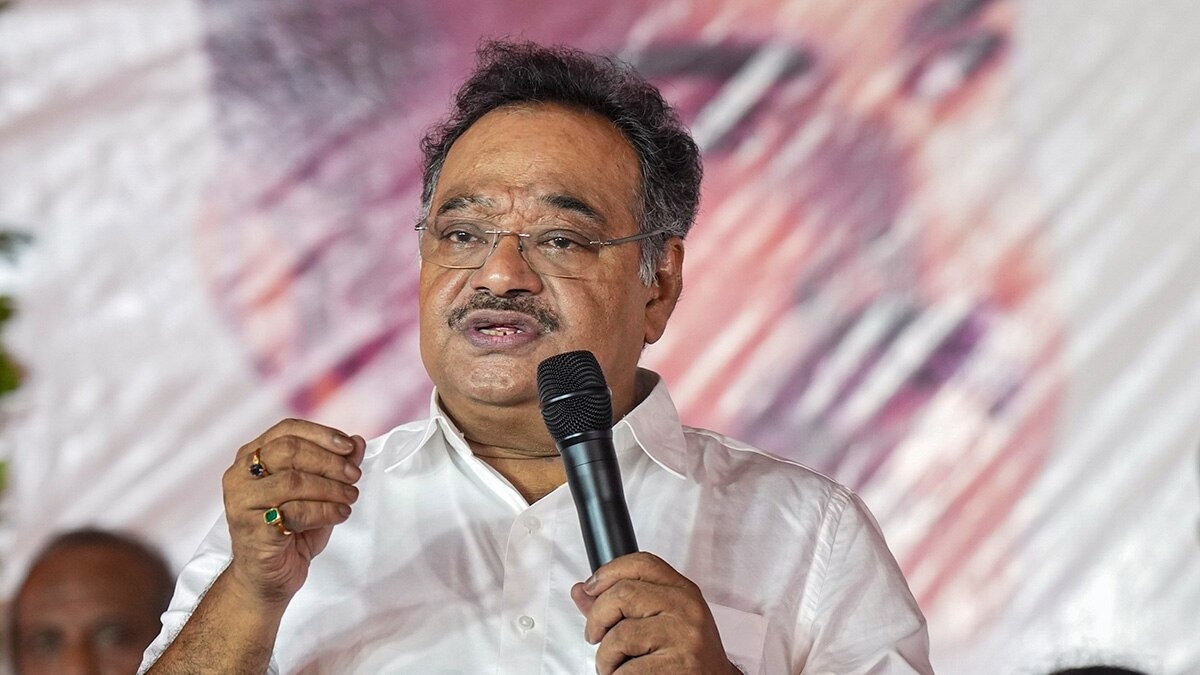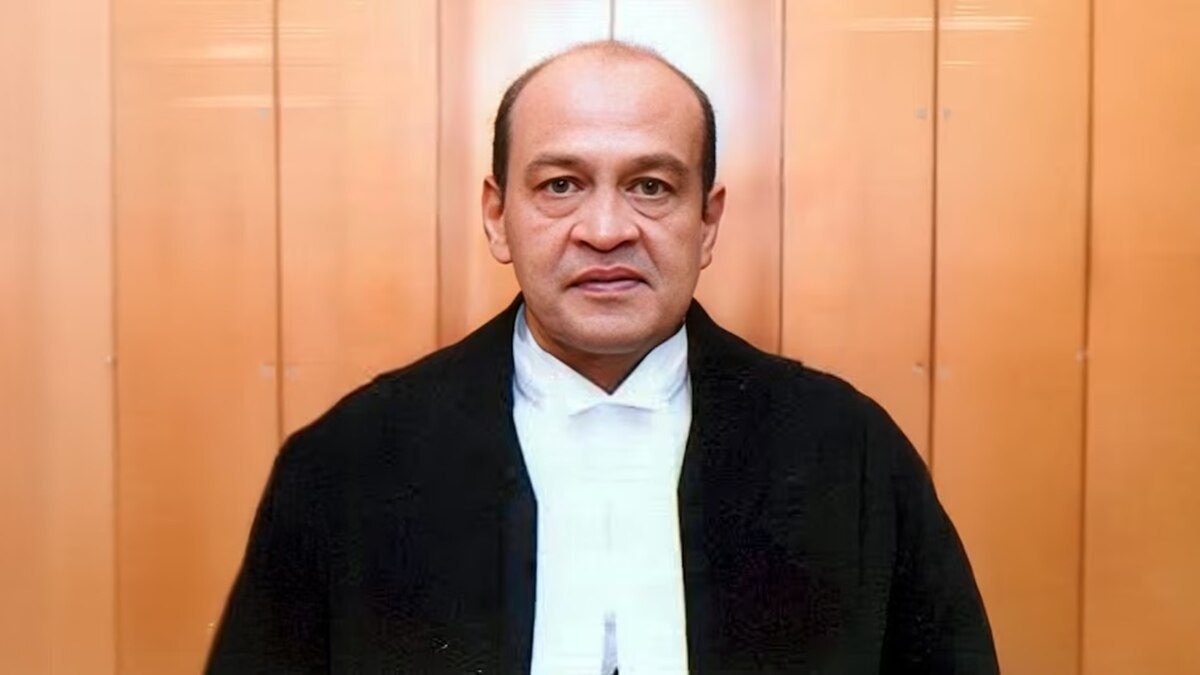
A parliamentary probe committee has recommended impeachment against Justice Yashwant Varma following a cash scandal. Learn the complex constitutional steps required to remove a judge in India.
Key Takeaways
- Parliamentary committee recommends impeachment against Justice Yashwant Varma.
- The case involves allegations of misconduct related to suspicious cash found at his residence.
- Removing a judge requires a special majority in both Houses of Parliament.
Justice Yashwant Varma, a former judge of the Delhi High Court, is at the center of a major constitutional storm. A parliamentary inquiry committee has formally recommended initiating impeachment proceedings against him. The recommendation follows a scandal involving large sums of cash discovered at his residence during a fire incident, raising serious questions about judicial integrity.
The controversy traces back to March 14, when a fire broke out at Justice Varma's residence. During the incident, significant amounts of partially burnt cash were recovered. While Justice Varma claimed it was a conspiracy, a Supreme Court-appointed committee concluded that he had violated judicial decorum by concealing cash. Consequently, he was transferred to the Allahabad High Court in April 2025.
Why This Matters
BozokMedia analysis shows that this case transcends individual misconduct; it serves as a litmus test for the accountability and transparency of the Indian judiciary. The outcome of the upcoming parliamentary session will set a significant precedent for judicial oversight in India.
Maintaining the sanctity of the judiciary requires that even the highest officers of the law remain accountable to the Constitution.
Despite Justice Varma submitting his resignation to the President in April 2026, the parliamentary committee's findings have paved the way for formal impeachment proceedings. This is expected to be a major talking point in the upcoming winter session of Parliament.
The Constitutional Process of Removing a Judge
Under Article 124 and Article 218 of the Constitution, the process for removing a judge is rigorous and multi-layered:
- Initiation: A motion can be introduced in either House with the signatures of 100 members in the Lok Sabha or 50 members in the Rajya Sabha.
- Investigation: A three-member committee comprising a Supreme Court judge, a High Court Chief Justice, and a distinguished jurist investigates the charges.
- Parliamentary Vote: If the committee finds the charges proven, the motion is debated in both Houses. It must be passed by a majority of the total membership and a two-thirds majority of members present and voting.
- Presidential Order: Once passed by both Houses, the motion is sent to the President, who issues the final order for removal.
Frequently Asked Questions
1. Can impeachment proceed if a judge has already resigned?
Yes, if the allegations are of a serious nature, the process may continue to ensure judicial accountability.
2. What is the required majority in Parliament?
A special majority is required: more than 50% of total strength and 2/3rd of those present and voting.