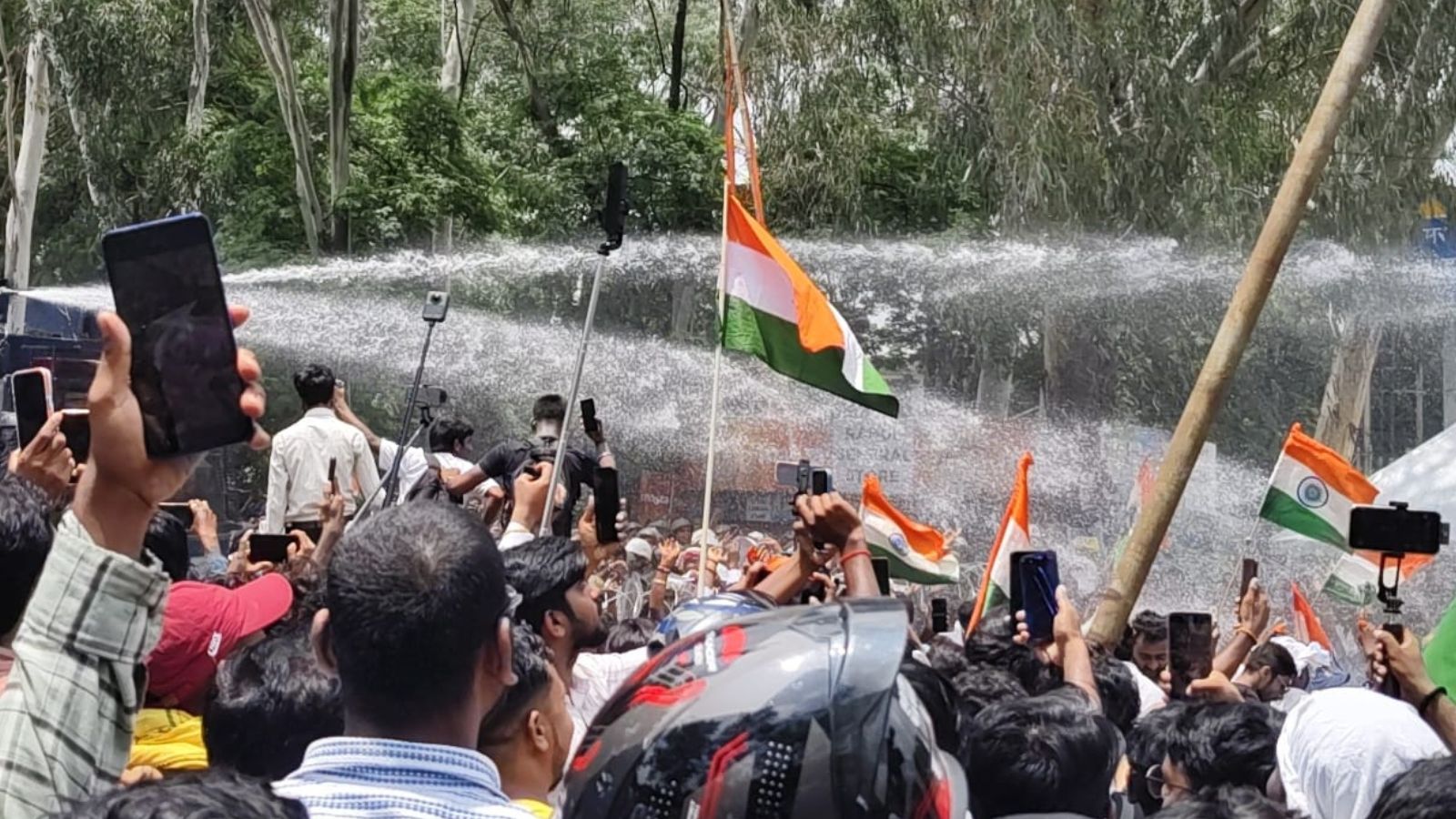
The massive protests in Ranchi are more than just demands for fair exams; they represent a profound breakdown of trust between Jharkhand's youth and the state. Years of disciplined preparation are being wiped out by systemic failures.
Key Takeaways
- Massive student mobilization in Ranchi demanding cancellation of disputed recruitment exams.
- The crisis is driven by systemic paper leaks and lack of institutional accountability.
- Educational mobility is failing to translate into occupational mobility in Jharkhand.
- The transition from 'timepass' to the disciplined struggle of 'sitting' in coaching hubs.
The ongoing agitation in Ranchi is not merely a protest against the integrity of a few examinations; it is a symptom of a deeper erosion of trust between the youth of Jharkhand and the state machinery. Thousands of aspirants have marched towards the Jharkhand Assembly, demanding the cancellation of disputed recruitment exams, accountability for irregularities, and a transparent examination system.
The Gap Between Aspiration and Opportunity
As Jharkhand’s economy evolves, a significant mismatch has emerged between rising educational attainment and available stable employment. While the state is rich in minerals and industry, it has failed to generate sufficient local, formal-sector jobs. Consequently, many educated youths find themselves trapped between a desire to move beyond traditional agriculture and the harsh reality of precarious informal labor.
For many, a government job is not just a paycheck; it is a symbol of social dignity, economic security, and a promise that their years of education will yield results. When an exam is compromised, it doesn't just disrupt a schedule—it devastates the collective investment of entire families who have sacrificed everything to fund coaching and living expenses.
Why This Matters: BozokMedia Analysis
BozokMedia analysis shows that the recruitment controversies serve as a trigger for much deeper, long-simmering frustrations. The movement has transformed individual misfortunes into a collective political identity. The mobilization seen at sites like Jantar Mantar has given these students a platform to demand public accountability rather than accepting exam failures as private bad luck.
Government employment is a tangible claim upon the state and a promise that education will lead somewhere.
The phenomenon of 'sitting'—the disciplined, exhausting routine of spending years in libraries and coaching centers—highlights the intensity of this struggle. This is not aimless waiting; it is a high-stakes battle for survival in an increasingly competitive and broken system.
Did You Know?
Frequently Asked Questions
Question 1: What are the primary demands of the Jharkhand protesters?
Answer: They are demanding the cancellation of disputed exams, independent inquiries into irregularities, and an accountable recruitment process.
Question 2: Why is government employment so critical in Jharkhand?
Answer: It offers social security, steady income, and a path to social mobility that the informal sector currently fails to provide.