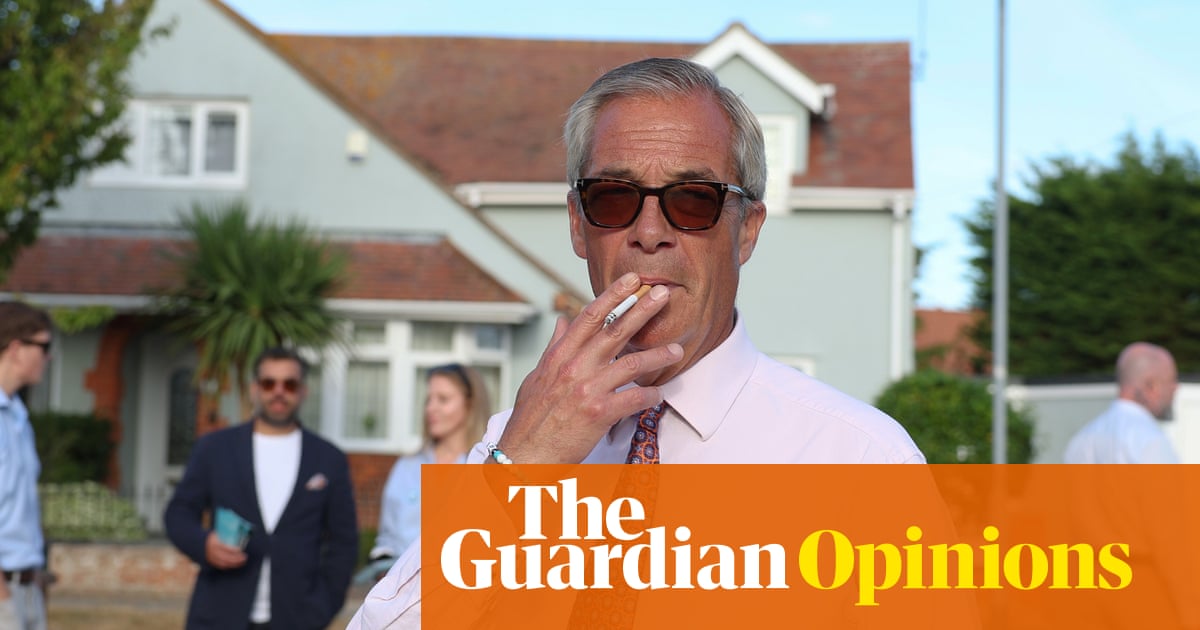
As financial scandals loom and far-right rivals emerge, Nigel Farage finds himself increasingly isolated. Analysis suggests the populist momentum may be hitting a breaking point.
Key Takeaways
- Nigel Farage faces intense scrutiny over a failed £5m donation disclosure.
- The rise of Rupert Lowe’s 'Restore Britain' party threatens Reform UK's core base.
- Major political parties are strategically avoiding direct confrontation to deny Farage a 'people vs establishment' narrative.
Nigel Farage, the polarizing leader of Reform UK, appears to be in a precarious position. While he remains a formidable force in his stronghold of Clacton, Essex, the cracks in his populist armor are becoming increasingly visible. The recent by-election dynamics suggest that the 'nationalist tide' he has long ridden may finally be facing a significant ebb.
A central pillar of the current controversy involves the investigation into Farage's failure to declare a £5 million donation. Rather than engaging in a direct policy debate, Farage has attempted to frame this legal scrutiny as a conspiracy by the political establishment. BozokMedia analysis shows that this tactic, while effective in the short term, is losing its potency as voters become weary of constant division.
Why This Matters
The political landscape in the UK is shifting. It is no longer just about Farage versus the mainstream; it is now a battle for the soul of the far-right. The emergence of Rupert Lowe and his 'Restore Britain' party represents a new, more unvarnished brand of politics that lacks Farage's veneer of moderation. This internal competition could lead to a fragmentation of the nationalist vote.
Populism thrives on the perception of victimhood, but sustained institutional accountability can eventually dismantle even the most charismatic leaders.
Furthermore, tactical voting in recent elections suggests that opposition to Reform UK is coalescing into an effective bloc. As mainstream parties tighten border controls, the rhetorical space for Farage to claim 'nothing is being done' is shrinking, leaving him with fewer avenues for political growth.
Frequently Asked Questions
1. What is the main controversy surrounding Nigel Farage?
The primary issue is an investigation into his failure to declare a significant £5 million donation to electoral authorities.
2. How is the far-right landscape changing in the UK?
The rise of parties like 'Restore Britain' is creating competition within the far-right sphere, potentially splitting the nationalist vote.