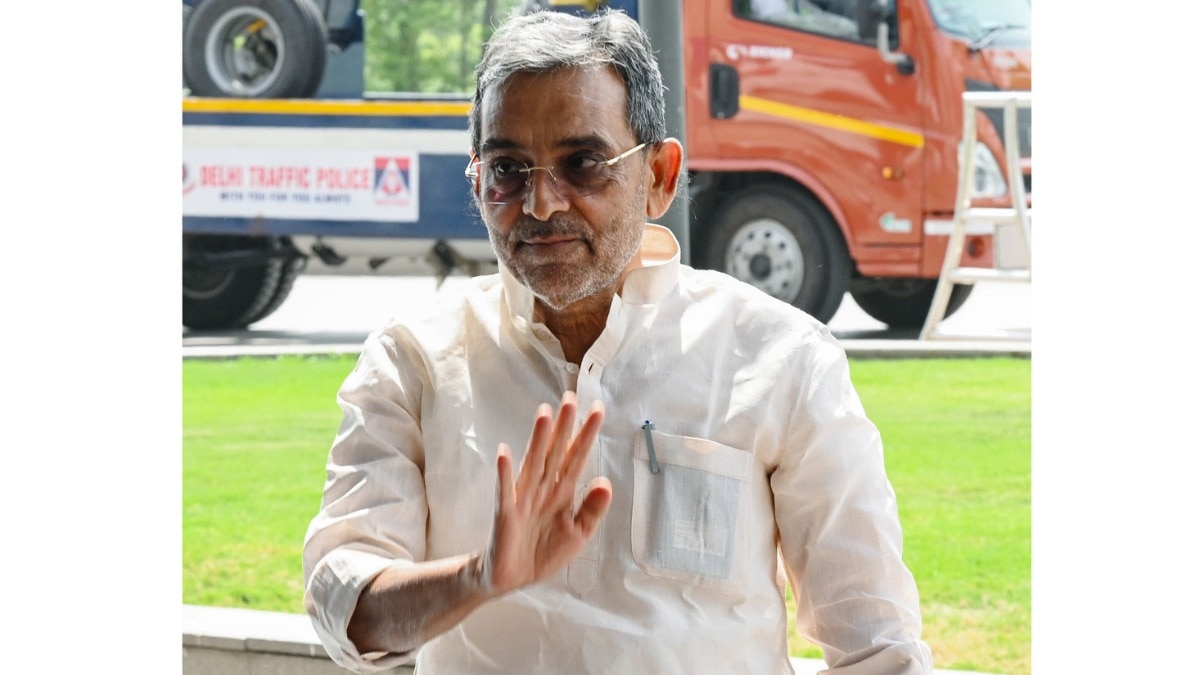
With Nitish Kumar stepping back from active politics, a vacuum has emerged in Bihar's social engineering. This analysis explores how Upendra Kushwaha is emerging as a vital ally for the BJP to secure the crucial Luv-Kush vote bank.
Key Takeaways
- The political vacuum left by Nitish Kumar poses a challenge to the NDA's social coalition.
- Upendra Kushwaha holds an independent and strong grip over the Koeri community.
- The Bankipur by-election defeat highlighted the BJP's struggle to consolidate the Luv-Kush base.
- Koeri (4.21%) and Kurmi (2.87%) communities form a decisive 7% vote bloc in Bihar.
The political landscape of Bihar is undergoing a tectonic shift. As Nitish Kumar transitions toward the Rajya Sabha and away from the frontline of state politics, the NDA faces a critical question: who will inherit the social architecture that once made the alliance invincible? The recent setback in the Bankipur assembly by-election has exposed the limitations of the BJP's current strategy in consolidating the Luv-Kush (Kurmi-Koeri) constituency.
The Luv-Kush Equation and the BJP's Dilemma
Despite having Samrat Choudhary, a leader from the Koeri community, as Chief Minister, the BJP's inability to hold key seats suggests that leadership roles do not automatically translate into social ownership. While Choudhary holds the office, the political agency of the Koeri community remains largely with Upendra Kushwaha. This distinction highlights a growing gap between the BJP's organizational strength and its grassroots social representation.
Why This Matters
BozokMedia analysis shows that Bihar is currently experiencing a unique political vacuum. The era of Lalu Prasad Yadav is receding, Nitish Kumar's active dominance is fading, and Tejashwi Yadav is still working to expand his base beyond the M-Y (Muslim-Yadav) equation. In this unsettled environment, Kushwaha—with his three decades of experience and his Rashtriya Lok Morcha (RLM)—emerges as a strategic necessity for the BJP to secure the OBC vote.
Upendra Kushwaha's independent identity and dedicated constituency make him an indispensable insurance policy for the BJP's social engineering.
The numbers underscore this necessity. According to the Bihar caste survey, the Koeri community stands at 4.21% and the Kurmi at 2.87%. Together, they constitute a 7% bloc that has historically been the nucleus of non-Yadav OBC politics in the state.
Historical Background
For decades, Nitish Kumar successfully turned the relatively modest Kurmi and Koeri bases into a massive governing coalition by combining them with EBCs, women, and Dalit voters. This 'Luv-Kush' core was the primary shield against the dominance of the RJD's Muslim-Yadav bloc.
Frequently Asked Questions
1. What is the 'Luv-Kush' factor in Bihar politics?
It refers to the combined political influence of the Kurmi and Koeri castes, which together form a significant OBC voting bloc.
2. Why is Upendra Kushwaha considered an 'insurance policy' for the BJP?
Because he possesses a loyal, independent voter base within the Koeri community that the BJP needs to win broader elections.