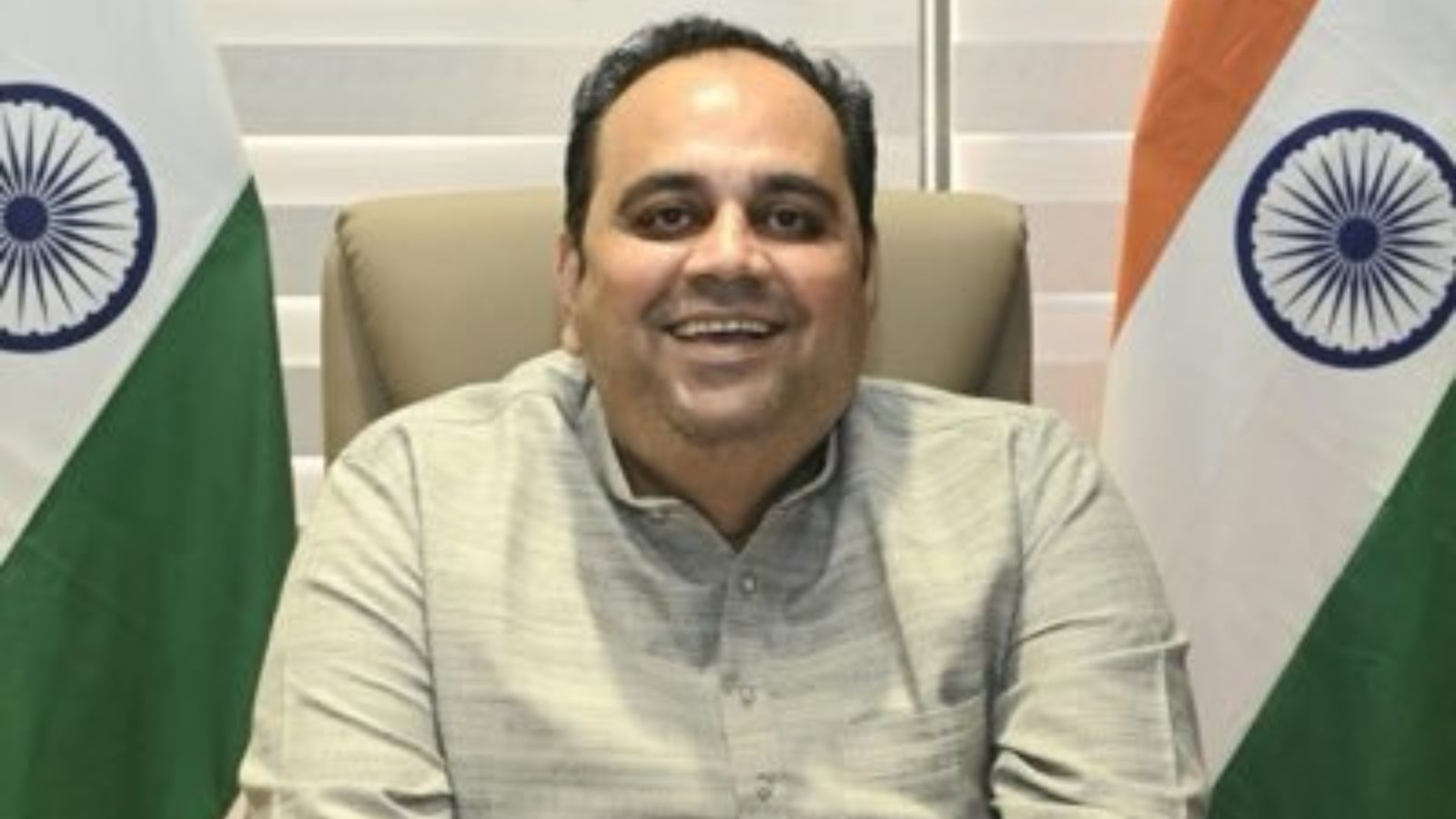
Despite campaigning on women-centric promises, the Karnataka government's new Cabinet lacks even symbolic female representation. The political focus remains on caste and regional dominance.
Key Takeaways
- The 33-member Karnataka Cabinet contains zero female representation.
- CM D.K. Shivakumar stated there was "no urgency" in inducting women.
- The government relies on women voters through schemes like Gruha Lakshmi and Shakti.
- Historical data shows women's political participation in Karnataka remains abysmal.
The monsoon session of the Karnataka Legislature begins with an ignominious milestone: a Cabinet that lacks even a symbolic presence of women. While the last fortnight has been consumed by intense negotiations over caste-based quotas and regional representation, the gender dimension has been conspicuously ignored.
Chief Minister D.K. Shivakumar and party functionaries have spent significant political capital placating "powerful" leaders over cabinet berths and "plum portfolios." In contrast, the inclusion of women has been treated as a secondary concern. When questioned by the media, the Chief Minister candidly admitted that there was "no urgency" regarding female induction, despite the party's national stance on 33% reservation.
Why This Matters
BozokMedia analysis shows that this exclusion sends a profound message to the electorate. While the Congress government has successfully leveraged women-centric welfare schemes like Gruha Lakshmi and Shakti to secure votes, it has failed to translate that electoral support into actual political agency. The political priority remains skewed toward traditional power structures of caste and seniority.
An all-male Cabinet is not an oversight; it is a political choice that signals women's leadership is dispensable in the exercise of state power.
The irony is palpable. In 17 out of 34 electoral divisions in Karnataka, women voters actually outnumber men. Yet, in the halls of power, their voice remains absent. The disappearance of Gayathri Shanthegowda from the approved list before the swearing-in ceremony further highlights how women are sidelined when competing with powerful interest groups.
Historical Background
Karnataka's history of female representation is a story of stagnation. While the state pioneered 50% reservation in local bodies, the Assembly has seen dismal numbers. In 2023, women made up only about 4.5% of the total Assembly strength. Even during the peak of representation in 1962 (8.65%), the numbers have failed to see a meaningful upward trend in the decades since.
Frequently Asked Questions
1. Why is there no woman in the Karnataka Cabinet?
The current Cabinet formation focused on resolving caste and regional disputes, leaving women's representation as a low priority.
2. What are the women-centric schemes in Karnataka?
The Gruha Lakshmi scheme provides ₹2,000 monthly to women heads of households, and the Shakti scheme offers free bus travel.