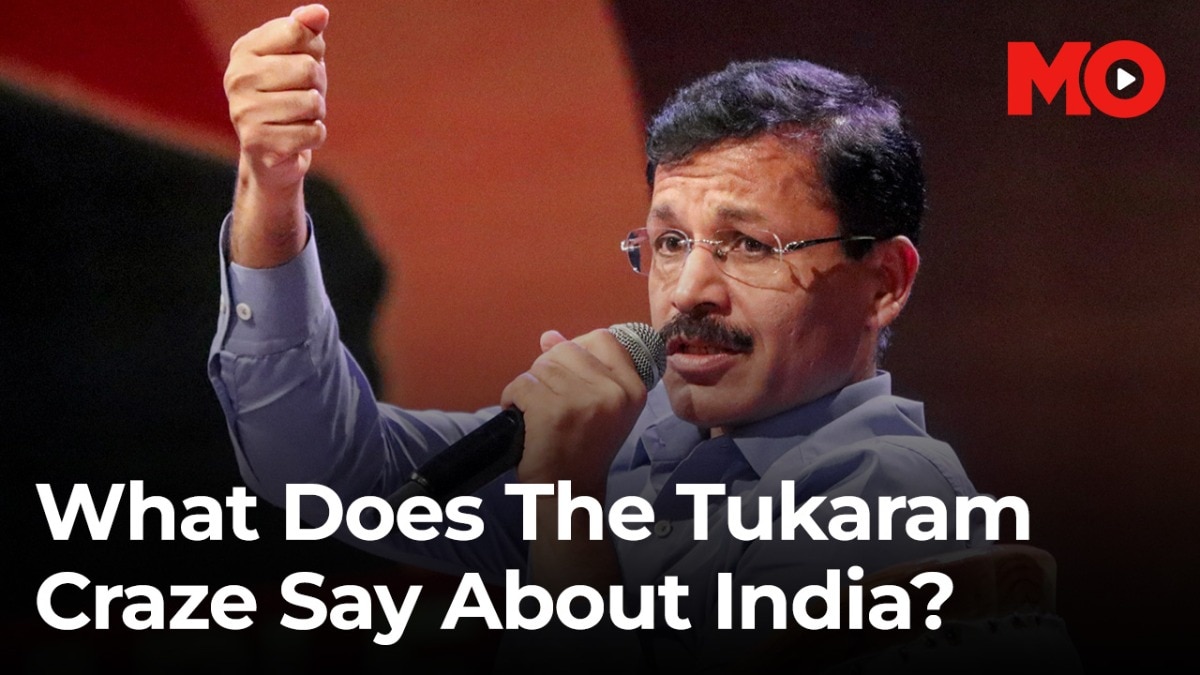
The meteoric rise of Tukaram Munde has sent ripples through the Indian political establishment. This analysis explores whether this phenomenon represents a fundamental shift in voter behavior and national identity.
Key Takeaways
- Tukaram Munde's sudden fame signals a potential shift in voter priorities.
- The rise reflects a growing demand for new leadership styles in India.
- Traditional political structures may face significant challenges from such emerging figures.
The sudden and widespread fame of Tukaram Munde has become a subject of intense debate across India. His rapid ascent is not merely a personal political milestone but serves as a mirror to the changing socio-political consciousness of the Indian electorate. This phenomenon prompts a deeper question: What is India trying to say through this shift?
A Shift in the Political Paradigm
Political observers suggest that the popularity of figures like Munde indicates a departure from traditional party-centric loyalty toward personality-driven politics. BozokMedia analysis shows that the intersection of grassroots connectivity and modern communication strategies has allowed new leaders to bypass traditional gatekeepers. This trend is reshaping how political influence is garnered and maintained in the 21st century.
Why This Matters
This matters because it signals a potential decentralization of power. As voters seek fresh perspectives, the established political giants may find their long-held dominance being challenged by leaders who resonate more deeply with the current zeitgeist of the nation.
The emergence of leaders like Munde suggests a structural realignment in how the Indian masses perceive authority and representation.
Historically, Indian politics has undergone massive transformations whenever a new social or political force gained momentum. The current trend suggests that the Indian voter is becoming increasingly discerning, looking beyond old ideologies to find leaders who address contemporary anxieties.
Frequently Asked Questions
Question 1: Is Tukaram Munde's fame a temporary trend?
Answer: While trends can be fleeting, the depth of his resonance suggests a more substantial shift in voter sentiment.
Question 2: How does this affect established political parties?
Answer: It forces them to innovate their messaging and address the specific grievances that new leaders are successfully tapping into.