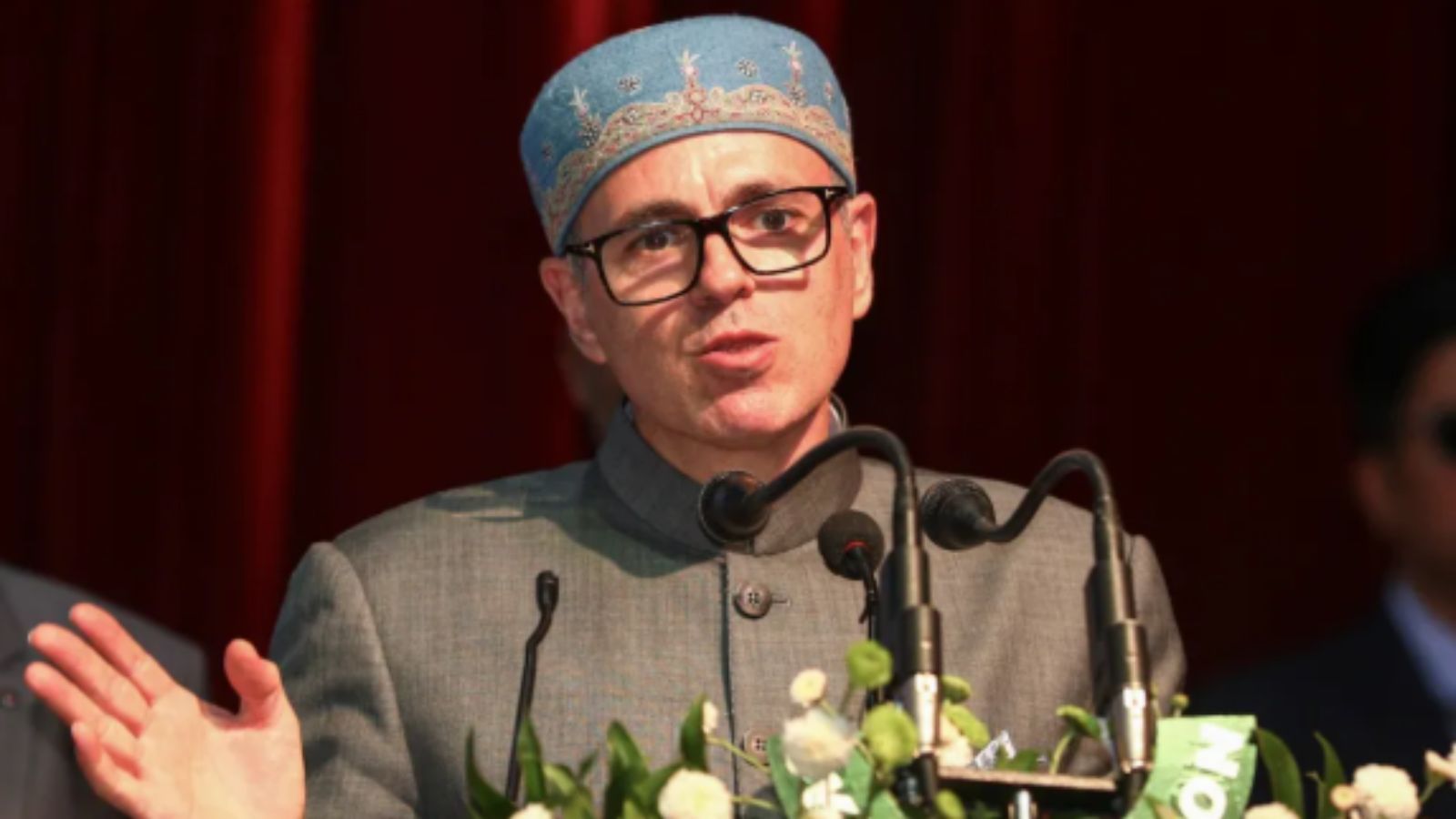
Jammu and Kashmir Transport Minister Satish Sharma has written to CM Omar Abdullah seeking the removal of Transport Commissioner Vishesh Pal Mahajan, citing 'persistent insubordination'.
Key Takeaways
- Minister Satish Sharma has formally requested CM Omar Abdullah to replace Transport Commissioner Vishesh Pal Mahajan.
- The Minister cited 'continued defiance' and 'disrespect' towards the Ministry's authority.
- The move highlights the friction between the elected government and the bureaucracy in J&K.
In a significant escalation of administrative tension, Jammu and Kashmir Transport Minister Satish Sharma has formally urged Chief Minister Omar Abdullah to remove Transport Commissioner Vishesh Pal Mahajan from his post. In a letter dated August 6, Sharma characterized the officer's conduct as 'persistent insubordination' that is compromising the orderly administration of the department.
A Breakdown in Administrative Hierarchy
The Minister's grievance stems from what he describes as a pattern of disregard for the Ministry's directions. Sharma noted that despite attempts to resolve the matter through informal and internal channels, there has been no improvement in the Commissioner's conduct. He emphasized that the Transport Commissioner is meant to function under the policy direction of the Minister, who remains accountable to the legislature and the public.
Why This Matters: BozokMedia Analysis
BozokMedia analysis shows that this incident is more than a mere personnel dispute; it is a symptom of the structural friction inherent in Jammu and Kashmir's current governance model. With executive power divided between the elected Chief Minister and the appointed Lieutenant Governor (LG), the tug-of-war between political will and bureaucratic autonomy often creates administrative bottlenecks.
"Persistent insubordination by a senior officer not only undermines the authority of the elected office but also disrupts the chain of accountability."
Historical Context of Governance in J&K
Governance in the Union Territory is split. While the elected government handles local development and legislation, the Lieutenant Governor (LG) holds overriding control over security, police, and the senior bureaucracy. This dual-power structure has been a point of contention for the National Conference and other political entities, who frequently demand the restoration of full statehood to streamline administration.
Frequently Asked Questions
1. Why is the Transport Minister seeking the Commissioner's removal?
The Minister alleges that the Commissioner is showing continuous defiance and disrespect toward the Ministry's authority.
2. How does the governance structure work in J&K?
Power is shared between an elected Chief Minister (handling development/legislation) and a Lieutenant Governor (handling security/bureaucracy).