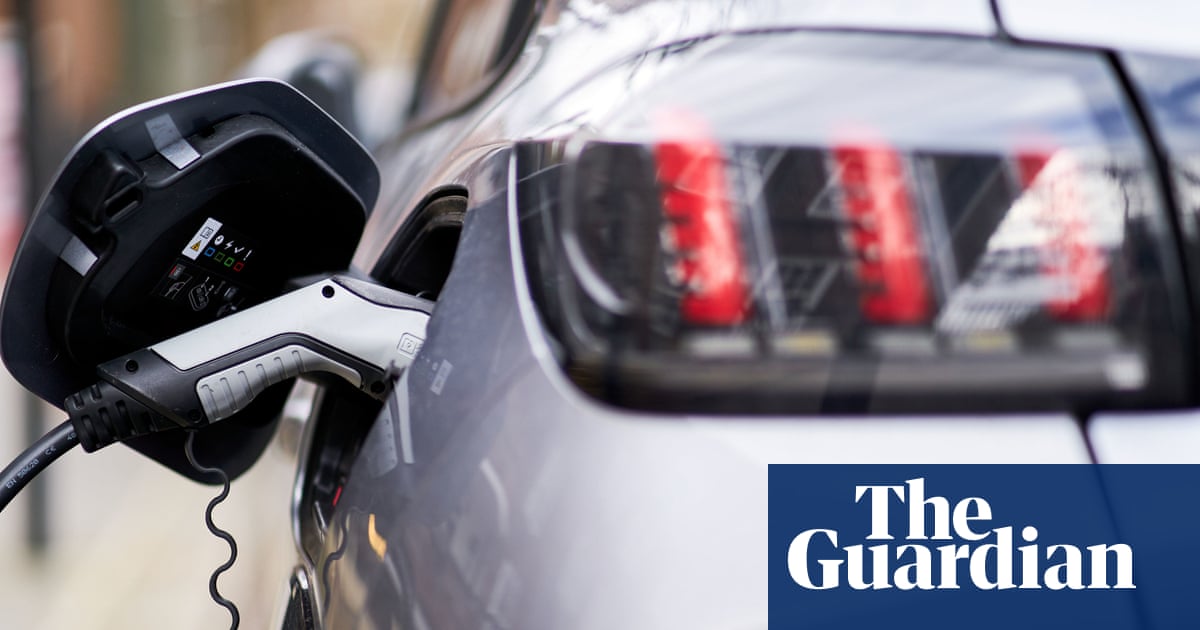
The Andy Burnham-led government is exploring a significant reduction in electric vehicle (EV) sales mandates, sparking a fierce debate between industrial viability and climate goals.
Key Takeaways
- The government is consulting on reducing the 2030 EV sales target from 80% to as low as 50%.
- Automakers claim current ZEV mandates place unsustainable financial pressure on manufacturers.
- Climate campaigners warn this could add millions of tonnes of CO2 to annual emissions.
- The move comes amid record-breaking heatwaves across the UK.
In a move that has sent shockwaves through both the environmental and automotive sectors, the government has launched a consultation to potentially weaken the Zero Emission Vehicle (ZEV) mandate. While the current trajectory aims for 80% of all new car sales to be electric by 2030, new proposals suggest targets could be lowered to 70%, 60%, or even 50%.
Industry Pressure vs. Climate Crisis
The automotive industry has been vocal about the immense pressure exerted by existing mandates. Manufacturers argue that the rapid transition forces them to offer deep discounts on EVs to meet quotas, threatening the profitability of British factories. Some industry leaders have even warned of potential job losses and factory closures if the rules are not adjusted to be more 'pro-business'.
Weakening the UK's flagship climate policy during a period of extreme heatwaves could be seen as a massive step backward for global decarbonization.
BozokMedia analysis shows that this policy shift is occurring at a critical juncture. The UK has recently experienced some of its hottest days on record, with scientists linking these extreme weather events directly to carbon emissions. The decision to relax EV targets could significantly undermine the nation's ability to meet its long-term net-zero commitments.
Why This Matters
The tension lies between immediate economic stability and long-term environmental security. While the government seeks to support British industry and ensure a 'grounded' transition, climate advocates like Greenpeace UK argue that this is a dangerous detour. The charging infrastructure industry, which has committed billions to nationwide installations, also faces significant uncertainty due to these potential changes.
| Feature | Current ZEV Mandate | Proposed Revision (Potential) |
|---|---|---|
| 2030 EV Sales Target | 80% | 50% - 70% |
| Climate Impact | Significant CO2 Reduction | Increased Carbon Emissions |
| Industry Burden | High Pressure/High Cost | Increased Flexibility/Lower Cost |
Frequently Asked Questions
1. What is the ZEV mandate?
It is a regulatory requirement forcing car manufacturers to sell a specific increasing proportion of zero-emission vehicles every year.
2. How will this affect car buyers?
Lower targets might slow down the availability of affordable electric models and potentially delay the transition to cheaper-to-run electric transport.