As the Taliban marks five years of governance, white flags of the Islamic Emirate fly high across Kabul. We examine the socio-political shifts and the current state of the nation.
Key Takeaways
- The Taliban has completed five years of controlling Afghanistan.
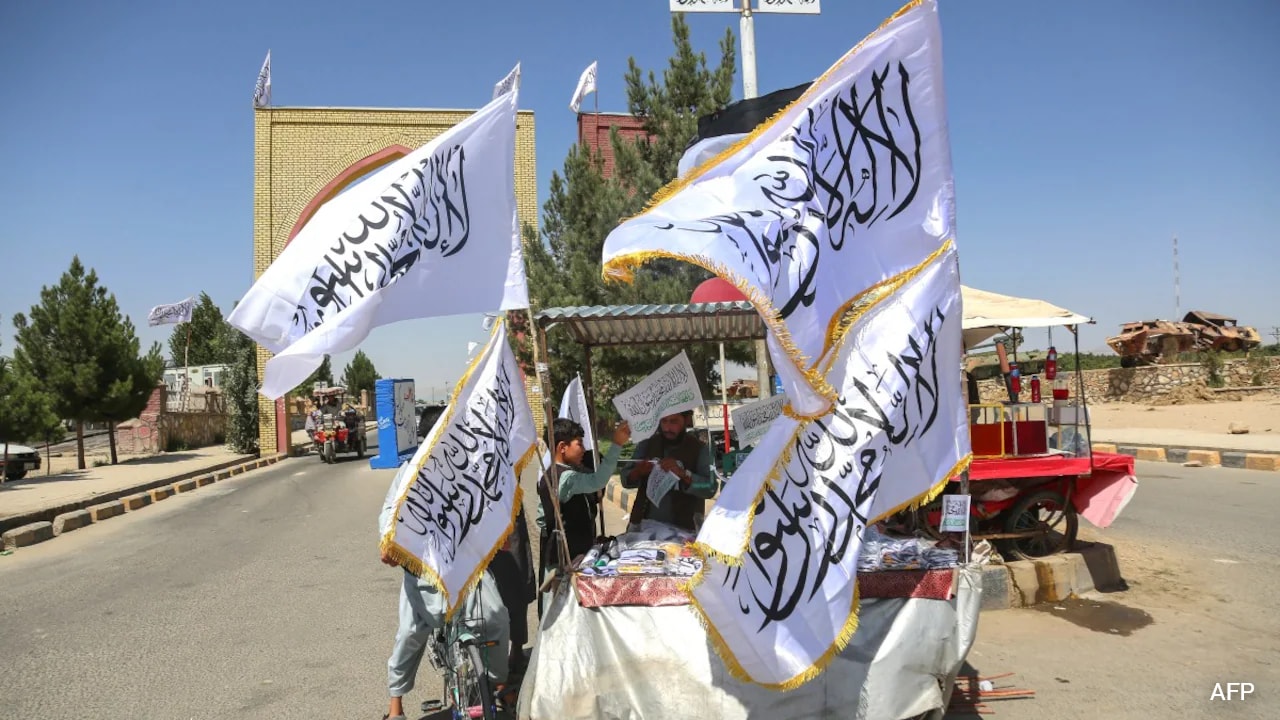
- White flags of the Islamic Emirate are being prominently displayed across Kabul.
- Significant shifts in social, political, and legal frameworks have occurred since 2021.
The capital city of Kabul has been transformed this week, with bright white flags of the Islamic Emirate of Afghanistan being installed across major streets. This visual shift marks the celebration of the Taliban's fifth year in power.
A Nation in Transition
Over the past five years, Afghanistan has undergone a radical transformation. While the Taliban administration claims to have brought security and order to the provinces, the international community remains deeply concerned about the erosion of civil liberties, particularly the rights of women and girls to education and employment.
Why This Matters
BozokMedia analysis shows that the five-year milestone is more than just a political anniversary; it represents a complete overhaul of the Afghan state apparatus. The struggle between domestic ideological enforcement and the need for international economic reintegration remains the central conflict of the regime.
The longevity of the Taliban regime will depend on its ability to manage a collapsing economy while maintaining its strict ideological grip.
Frequently Asked Questions
1. How long has the Taliban been in power?
The Taliban took control of Afghanistan in August 2021.
2. Has the world recognized the Taliban government?
Most nations have not officially recognized the Taliban as the legitimate government of Afghanistan due to human rights concerns.