A powerful reflection on how caste-based humiliation persists in India, linking the historical insult of Jagjivan Ram to the recent incidents involving Mallikarjun Kharge.
Key Takeaways
- The recent incident in Haldwani highlights the persistent and evolving nature of caste prejudice in India.
- Historical parallels exist between the insults faced by Jagjivan Ram in 1978 and modern-day leaders like Mallikarjun Kharge.
- Casteism acts as a systemic virus that survives despite legislative and educational attempts to curb it.
- The struggle for social justice is now being carried forward by a socially aware younger generation.
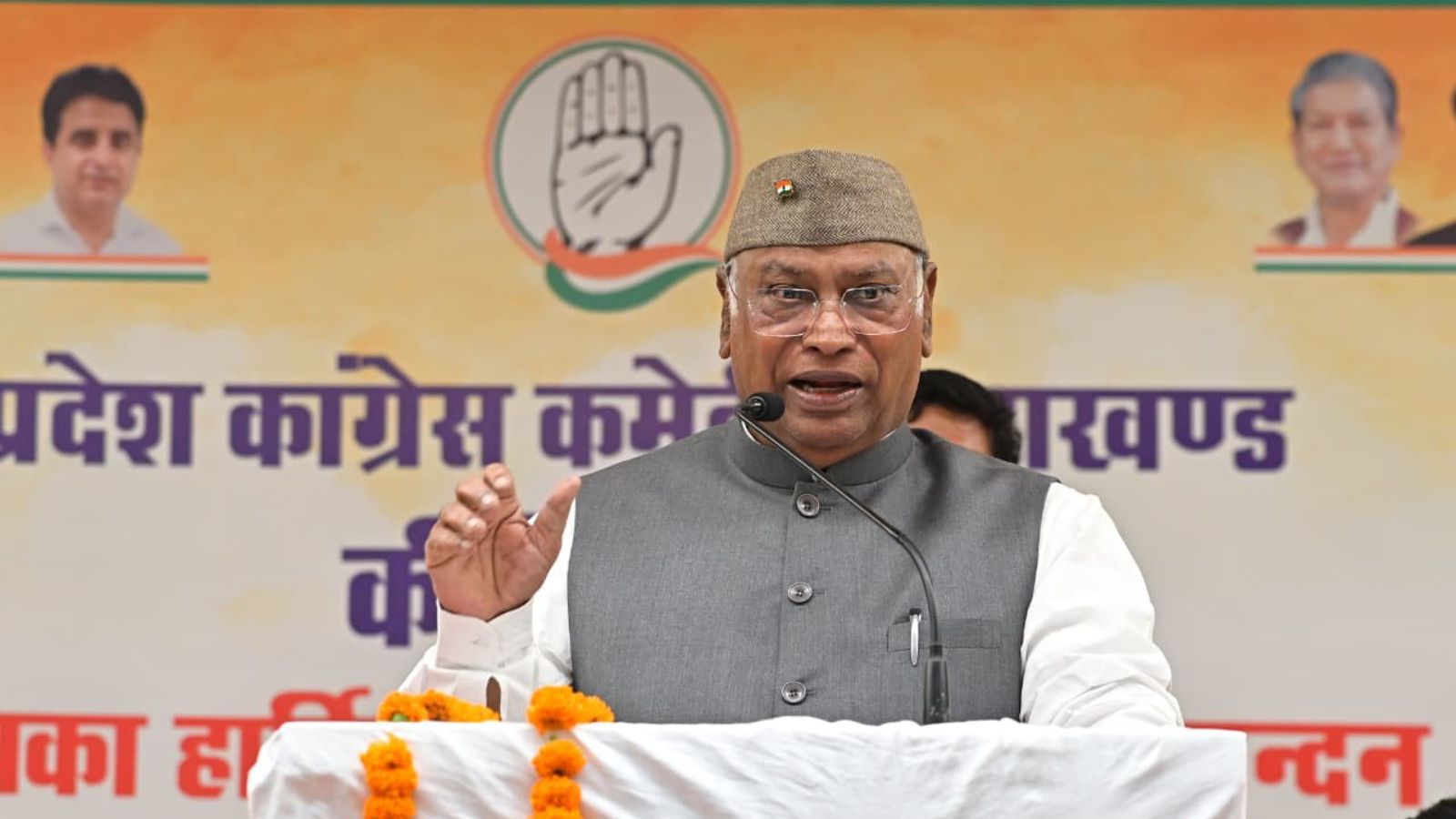
The chilling incident in Haldwani, involving a 'purification rite' after Congress President Mallikarjun Kharge left the stage, serves as a grim reminder that caste prejudice remains a shapeshifting virus in India. It is a project of humiliation that continues to thrive even in 2026.
Historical Background: The 1978 Incident
The resonance of this event traces back to 1978, when the late Babu Jagjivan Ram, serving as Deputy Prime Minister, visited Banaras. Upon inaugurating a statue, he was met with intense casteist vitriol from right-wing groups. The statue was subsequently smeared with cow dung and washed with gangajal in a ritualistic attempt to 'purify' it from his perceived defilement. This incident underscored a haunting question: if a man of his stature could be targeted, what is the plight of the common Dalit citizen?
Why This Matters
BozokMedia analysis shows that casteism is not merely a social issue but a systemic force that disrupts the very concept of time and progress. While political rhetoric often speaks of equality, the ground reality—evidenced by recent attempts to whitewash history in NCERT textbooks—suggests a concerted effort to erase the existence of caste-based oppression.
Caste in India is the most perverse project of humiliation ever conceived, and it remains alive and well.
The emergence of a socially conscious 'Gen Z' protesting against systemic issues like paper leaks and inclusivity suggests a shift. However, the reaction from traditionalist groups to co-opt or suppress these voices indicates that the battle for social justice is far from over.
Frequently Asked Questions
1. What was the significance of the Haldwani incident?
It was a symbolic assertion of caste power through a purification ritual, occurring after a major political rally.
2. How did Jagjivan Ram respond to casteism?
He remained largely silent during parliamentary debates but his legacy continues to highlight the vulnerability of Dalits in the face of systemic prejudice.