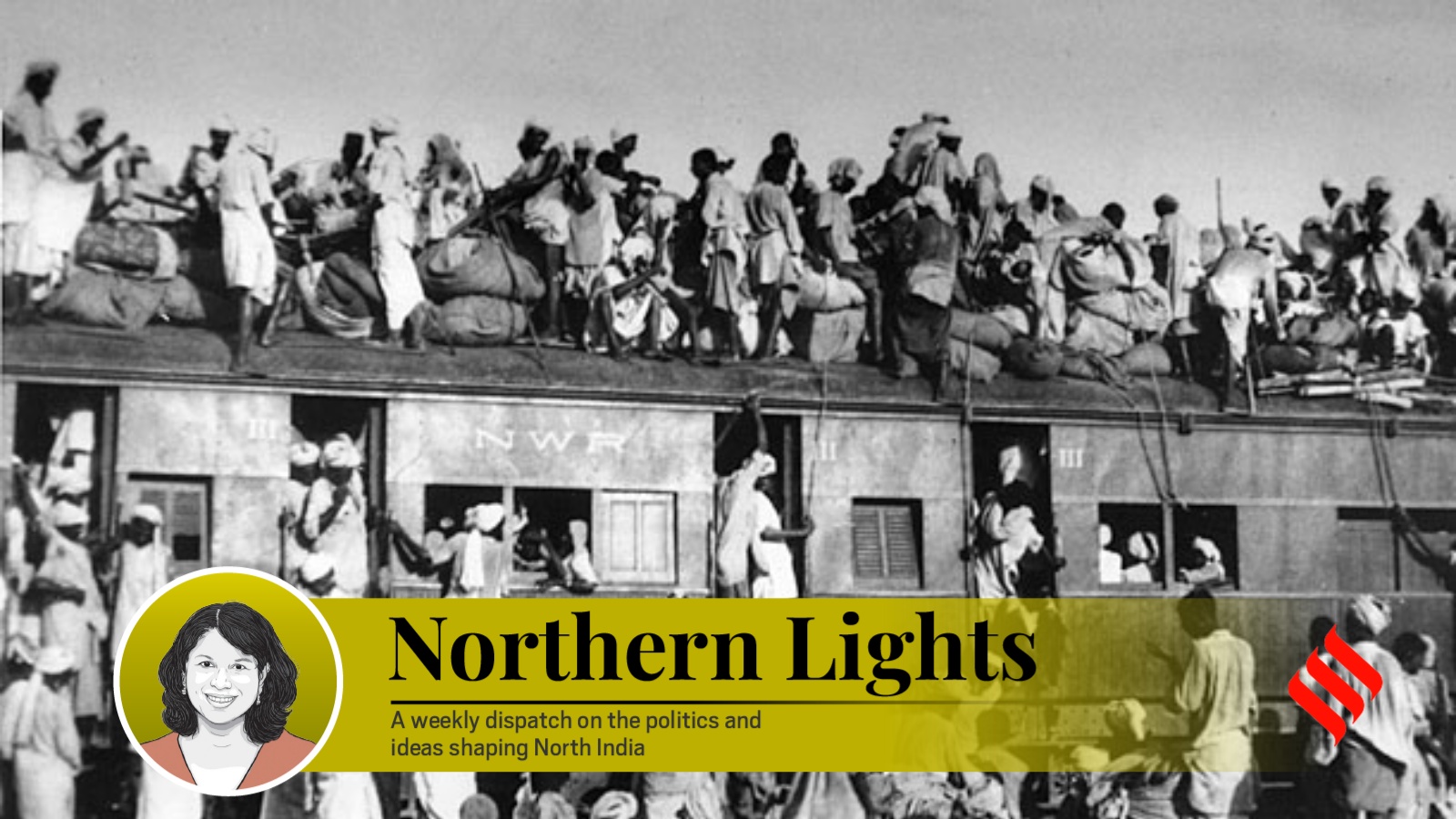
From the trauma of Partition to the legacy of Shaheed Ajit Singh, Punjab stands at a crossroads. Discover why the state's next battle isn't in the streets, but in its soil.
Key Takeaways
- Shaheed Ajit Singh passed away on the very day India gained independence.
- Partition brought both freedom and devastating displacement to the Punjab region.
- The legacy of 'Pagdi Sambhal Jatta' continues to inspire modern agrarian movements.
- Punjab's future depends on transitioning from political resistance to ecological sustainability.
For Punjab, August 15, 1947, remains a complex tapestry of triumph and tragedy. While the nation celebrated freedom, the province was torn asunder, forcing millions to flee ancestral lands and identities. The scars of Partition are not merely historical footnotes; they are living memories passed down through generations of Punjabi families.
The life of Shaheed Ajit Singh, the uncle of Bhagat Singh and a pioneer of the 'Pagdi Sambhal Jatta' movement, mirrors this turbulence. He breathed his last as the midnight bells of independence rang, leaving behind a legacy of fierce resistance against unjust agricultural laws. His struggle against British taxation and land rights established a blueprint for the agrarian consciousness that defines Punjab today.
Why This Matters
BozokMedia analysis shows that Punjab is currently facing a systemic crisis that differs from the colonial struggles of the past. While the previous revolutions were fought against external occupiers, the modern challenge is internal—a battle against a system that is quietly depleting the state's groundwater, soil fertility, and economic viability. The spirit of resistance must now evolve from street protests to a movement for sustainable agriculture.
The next revolution Punjab requires will not be fought in the streets, but in its fields and through the preservation of its natural resources.
Historically, Punjab has shown an incredible capacity for rebuilding. Following the chaos of 1947, leaders like Dr. M. S. Randhawa worked tirelessly to rehabilitate refugees, ensuring that displaced families could reclaim their dignity through land and farming. This resilience is what fueled the 2020-21 farmers' protests, proving that the call of 'Pagdi Sambhal Jatta' remains a potent political anthem.
Comparison of Struggles
| Aspect | Colonial Era Resistance | Modern Era Challenges |
|---|---|---|
| Primary Opponent | British Imperial Laws | Systemic Agrarian & Ecological Decline |
| Core Identity | Land Rights & Water Charges | Sustainability & Economic Survival |
| Movement Driver | Ajit Singh & Lajpat Rai | Modern Farmer Unions & Environmentalists |
Frequently Asked Questions (FAQ)
1. Who was Ajit Singh?
Ajit Singh was a prominent Indian revolutionary and leader of the 'Pagdi Sambhal Jatta' movement, known as the 'king of Punjab peasantry' by Bal Gangadhar Tilak.
2. What is the significance of the 'Pagdi Sambhal Jatta' slogan?
It is a historic rallying cry used to mobilize farmers against laws that threatened their traditional rights and livelihoods.