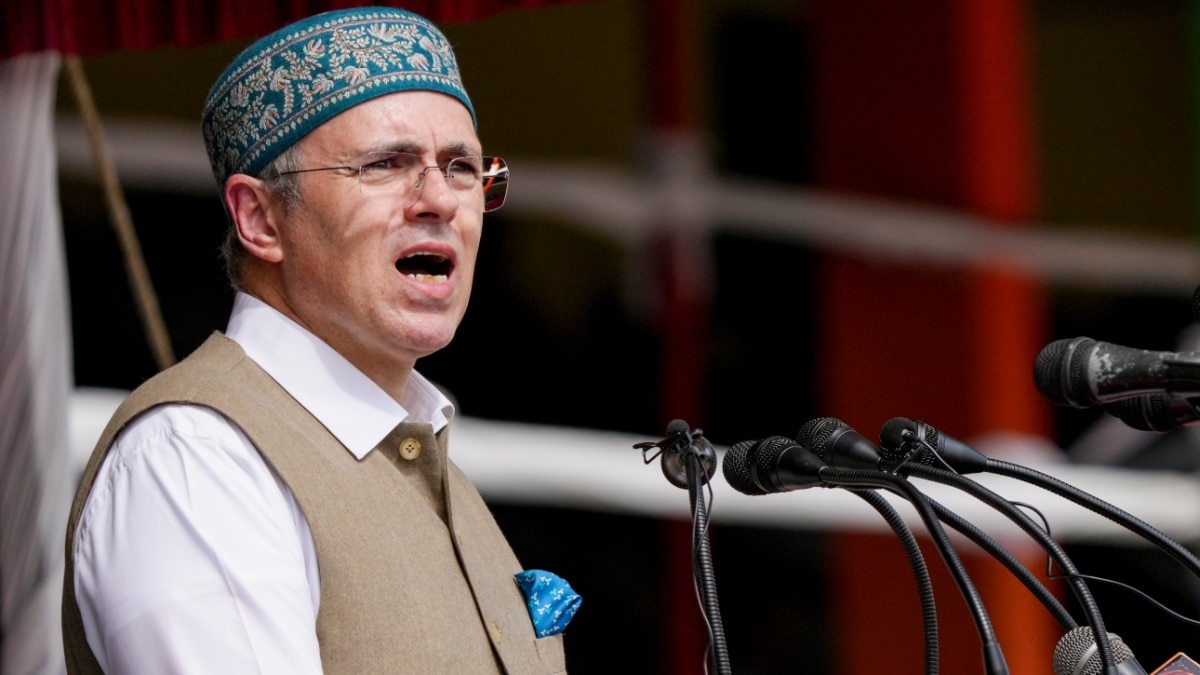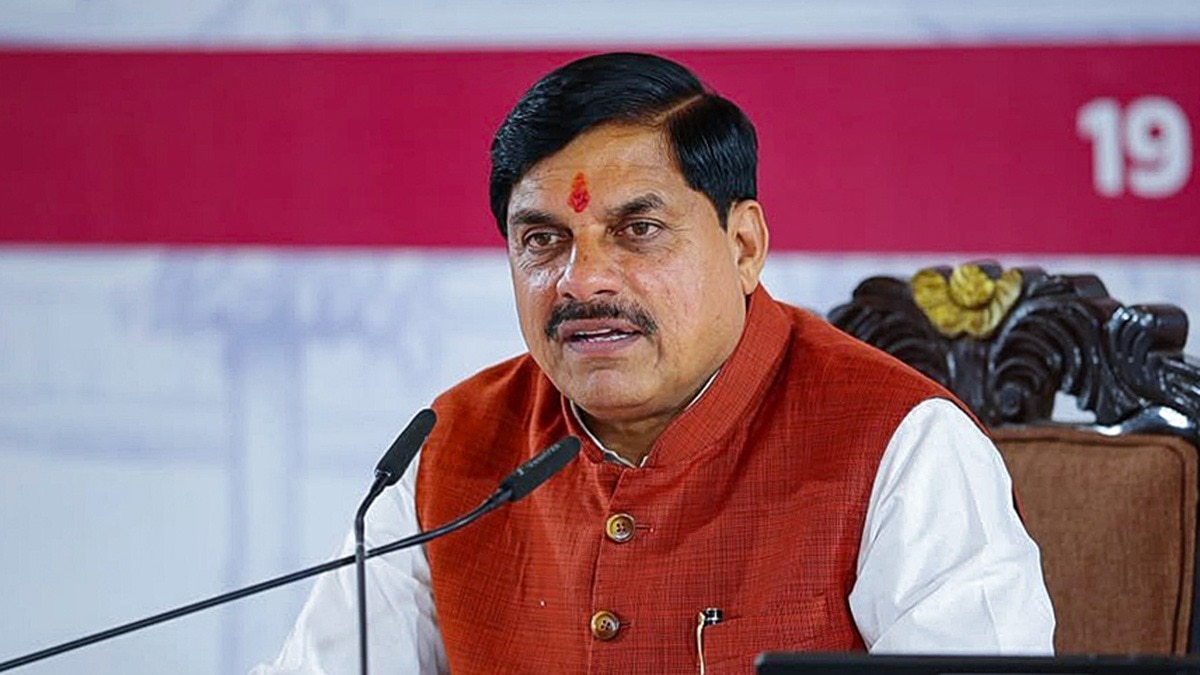
Chief Minister Mohan Yadav announced on Independence Day 2026 that Madhya Pradesh will implement the Uniform Civil Code (UCC) to promote equality and social harmony.
Key Takeaways
- Madhya Pradesh to implement the Uniform Civil Code (UCC).
- Ban on polygamy and mandatory registration of live-in relationships.
- Tribal communities remain exempt from the UCC ambit.
- The state has officially achieved Naxal-free status.
Bhopal: Marking the 80th Independence Day on August 15, 2026, Chief Minister Mohan Yadav made a landmark announcement at the Lal Parade Ground. Addressing the nation after the flag hoisting ceremony, the CM confirmed that the Madhya Pradesh government will implement the Uniform Civil Code (UCC) following the Assembly's passage of the bill.
The Chief Minister emphasized that the move aligns with the "basic spirit" of the Indian Constitution. By advocating for "one nation, one Constitution, one head, and one flag," Yadav stated that the UCC aims to eliminate discriminatory practices, foster social harmony, and provide robust legal protection to women against injustice.
Why This Matters
BozokMedia analysis shows that this move positions Madhya Pradesh as a frontrunner in the national debate over legal uniformity. While the opposition Congress has raised protests, the implementation of a common law for personal matters could significantly streamline the judicial process and promote gender justice across the state.
The implementation of UCC is not just a legal shift but a profound step towards constitutional morality and social equality.
The Uniform Civil Code Bill, 2026, which was passed by voice vote on July 21, includes several stringent provisions. Notably, it bans polygamy and makes the registration of live-in relationships mandatory. To protect cultural nuances, the government has specifically excluded tribal communities from the scope of this law.
Historical Background
The concept of a Uniform Civil Code has been a subject of intense debate since the drafting of the Indian Constitution. Article 44 of the Directive Principles of State Policy urges the state to endeavor to secure a UCC for all citizens. Madhya Pradesh's decision brings the state to the forefront of this constitutional mandate.
Frequently Asked Questions
1. Are tribal communities affected by the new UCC?
No, the government has explicitly kept tribal communities outside the ambit of the UCC to preserve their traditions.
2. What are the main features of the MP UCC Bill?
Key features include a ban on polygamy and the mandatory registration of live-in relationships.