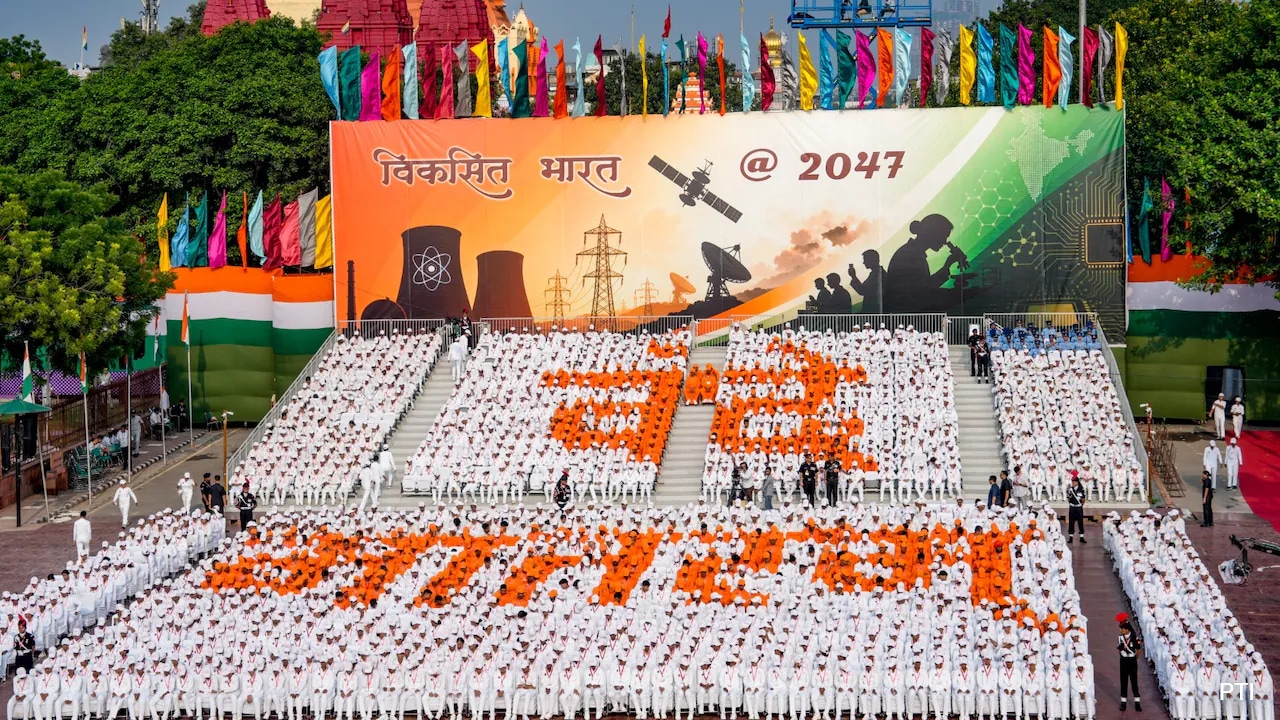
On its 80th year of independence, India has moved from passive observer to proactive global player. This piece analyses the turning points in foreign policy, security challenges, and internal reforms that define the nation today.
Key Takeaways
- India is no longer non‑aligned; it is multi‑aligned and agenda‑setting.
- Pakistan‑backed terrorism has been met with decisive military doctrine.
- Reforms in Jammu & Kashmir and the Red Corridor have reshaped national security.
Historical Background
After gaining independence in 1947, India was often viewed by the West as a peripheral curiosity—land of snake charmers and poverty. Early decades saw limited diplomatic clout and a reliance on non‑alignment, which kept India on the sidelines of global decision‑making.
Shift in Foreign Policy
In the past two decades, India has embraced a multi‑aligned stance, joining the ranks of the world’s five largest economies. It now drafts trade and strategic agreements on its own terms, moving from a peripheral observer to a table‑setter.
Why This Matters
BozokMedia analysis shows that India’s shift from a passive observer to an active agenda‑setter reshapes regional power dynamics and offers new opportunities for global investors.
"India’s new strategic posture is a decisive pivot for global stability," says international relations scholar Dr. Rajat Singh.
Security Challenges and Response
From the 2016 surgical strikes to the 2019 Balakot airstrikes and the 2025 Operation Sindoor, India has demonstrated that its patience has limits and its reach does not. These actions have sent a stark warning to Pakistan’s military establishment.
Domestic Reforms and Social Cohesion
The 2019 abrogation of Article 370 opened a pathway for development in Jammu & Kashmir, while the decline of Maoist insurgency in the Red Corridor has stabilized internal security.
Frequently Asked Questions
Q1: What is the primary goal of India’s new multi‑aligned policy?
A: To strengthen its position in the global economic arena while securing strategic autonomy.
Q2: What are the long‑term implications of Operation Sindoor?
A: It establishes India as a proactive security power, deterring regional adversaries.