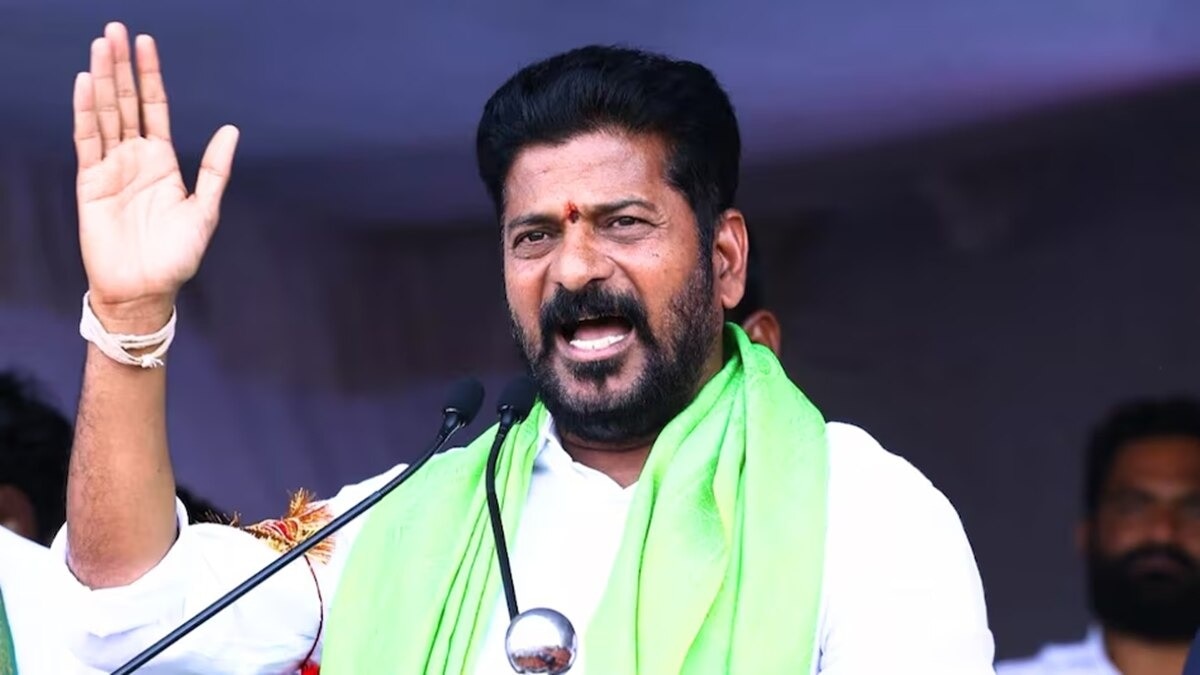
Senior Congress leader P. Chidambaram retorted to Prime Minister Narendra Modi’s ‘dimagi Naxal’ comment by proudly calling himself a ‘dimagi Naxal.’ The exchange comes after Modi warned the nation to identify and isolate such ideological infiltrators.
Key Takeaways
- Chidambaram labels himself a ‘dimagi Naxal’ in response to Modi
- Modi warns of ‘intellectual Naxals’ influencing policy
- The clash follows Independence Day remarks
Chidambaram’s Counter
Senior Congress leader P. Chidambaram took to X (formerly Twitter) to reply, “I am proud to be a dimagi Naxal!” This statement was made a day after Prime Minister Narendra Modi’s Independence Day speech where he warned about “dimagi Naxals” entrenched in the corridors of power.
Modi’s ‘Dimagi Naxal’ Warning
Speaking from the Red Fort, Modi asserted that while armed Naxalism has been cleared from forests, its ideological supporters are now influencing government committees and public policy. He urged citizens to “identify and isolate” these elements to safeguard the nation.
Historical Background
Naxalism emerged in the late 1960s as a radical left‑wing insurgency rooted in socio‑economic grievances. Over decades, it claimed the lives of over 3,500 police and security personnel, surpassing casualties in conventional wars. The BJP government, since 2014, has prioritized dismantling Naxal networks, reporting significant reductions in affected districts.
Why This Matters
BozokMedia analysis shows that the exchange highlights deepening political polarization around security narratives, influencing public perception ahead of upcoming elections.
"When political rhetoric weaponizes terms like ‘Naxal,’ it threatens the pluralistic fabric of democracy," observes political analyst Dr. Ananya Sharma.
Frequently Asked Questions
Q1: Does the term ‘dimagi Naxal’ have any legal standing?
A: No, it remains a political epithet without formal legal definition.
Q2: How might this controversy affect the upcoming elections?
A: Analysts suggest it could sway voter sentiment by framing security and nationalism as pivotal issues.