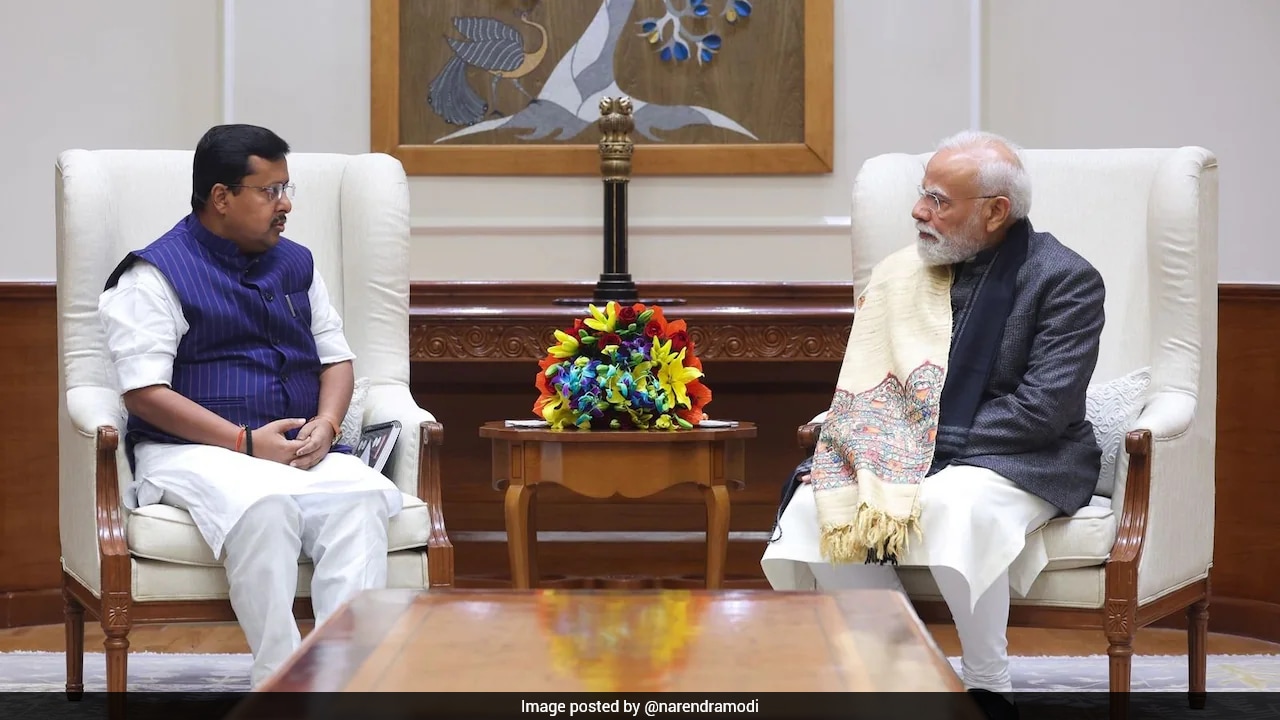
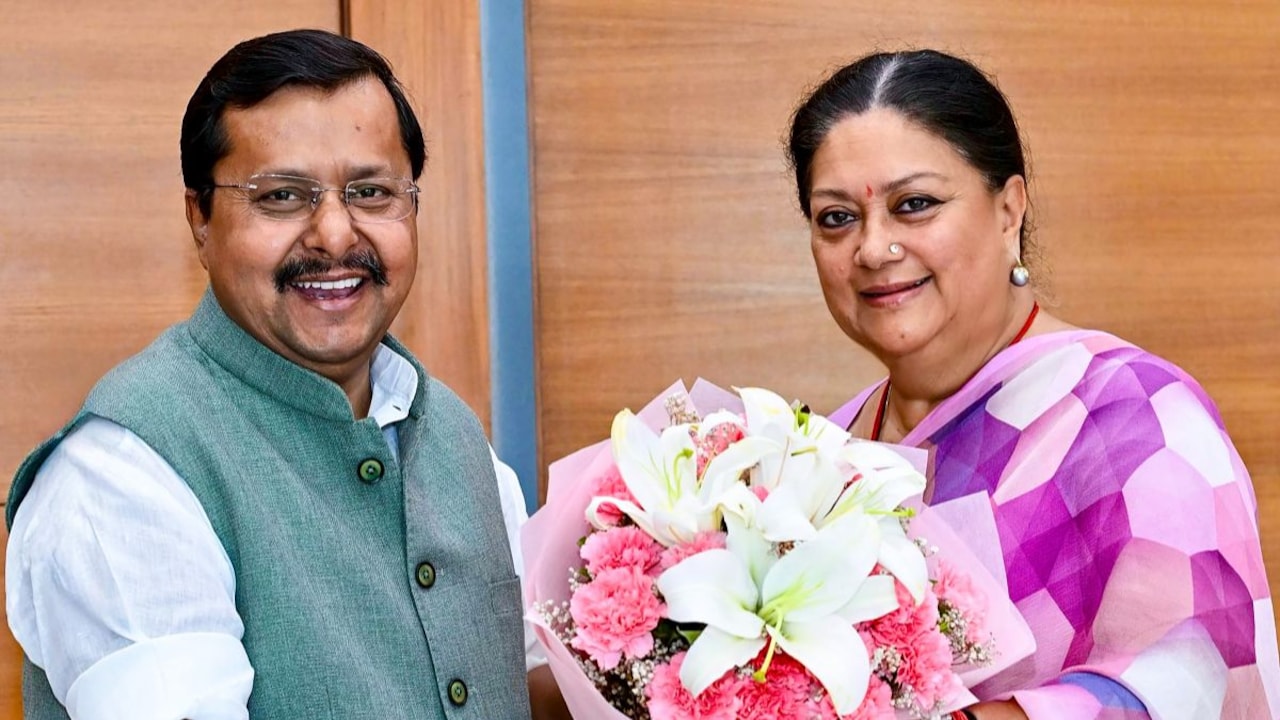
Chief Minister Himanta Biswa Sarma has called upon residents originally from other states to list 'Assamese' as their mother tongue in the ongoing Census to protect the state's ethno-religious identity.
- CM Himanta Biswa Sarma urges non-native residents to identify as Assamese speakers in the 2026 Census.
- Census data shows a steady decline in Assamese speakers from 59.53% in 1971 to 48.38% in 2011.
- The move is seen as a strategic effort to prevent indigenous Assamese from reaching 'near-minority' status.
In a significant move during the ongoing Census exercise, Assam Chief Minister Himanta Biswa Sarma has issued a public appeal to residents who are natives of other Indian states but have settled in Assam. He has urged these individuals to identify 'Assamese' as their mother tongue, emphasizing that the data collected in 2026 will shape the future planning of the country and the state's demographic contours.
The Chief Minister's request specifically targets those who may have migrated from states like Rajasthan or others, bringing different languages and cultures, but who now consider themselves 'proud Assamese'. This appeal comes at a critical juncture as the self-enumeration phase concludes, transitioning into house listing and field operations scheduled from August 17 to September 15.
The Demographic Decline
The urgency behind this appeal is rooted in a worrying trend of declining Assamese speakers. According to official data, the percentage of people identifying Assamese as their mother tongue has dropped consistently: from 59.53% in 1971, to 57.81% in 1991, 48.80% in 2001, and finally 48.38% in 2011. Simultaneously, there has been a rise in Bengali and Hindi speakers, creating a shift in the linguistic landscape of the state.
| Census Year | Assamese Speakers (%) | Bengali Speakers (%) | Hindi Speakers (%) |
|---|---|---|---|
| 1971 | 59.53% | 19.7% | 5.42% |
| 1991 | 57.81% | 21.67% | - |
| 2001 | 48.80% | 27.55% | - |
| 2011 | 48.38% | 28.91% | 6.73% |
Why This Matters
BozokMedia analysis shows that this is not merely a linguistic request but a calculated political maneuver. By encouraging non-native Hindi speakers to identify as Assamese, the BJP-led government is attempting to bolster the 'indigenous' numbers to avoid a scenario where the Assamese-speaking population becomes a minority in its own home state. This narrative serves to position the party as the ultimate protector of the 'native' identity while selectively excluding specific groups from this umbrella.
The shifting definition of 'Assamese' identity is being used as a political tool to consolidate a broad 'Us' versus 'Them' narrative, primarily targeting Bengali-origin Muslims.
Historically, the process of assimilation has been complex. Interestingly, Bengali-origin Muslims, known as Na-Axomiyas (neo-Assamese), were among the first to adopt the Assamese language to integrate into the state's cultural fabric, significantly boosting Assamese numbers in the 1951 and 1971 Censuses. The current administration's approach, however, differentiates between those who are welcomed into the fold and those who are framed as outsiders.
Frequently Asked Questions
Why is the CM asking people to change their mother tongue in the Census?
The CM aims to prevent the indigenous Assamese-speaking population from falling into a 'near-minority' status by encouraging assimilated residents from other states to identify as Assamese.
Which groups are exempt from this appeal?
Tribal communities (like Bodos and Karbis) and the predominantly Bengali-speaking residents of the Barak Valley have been given the discretion to choose their own identity.