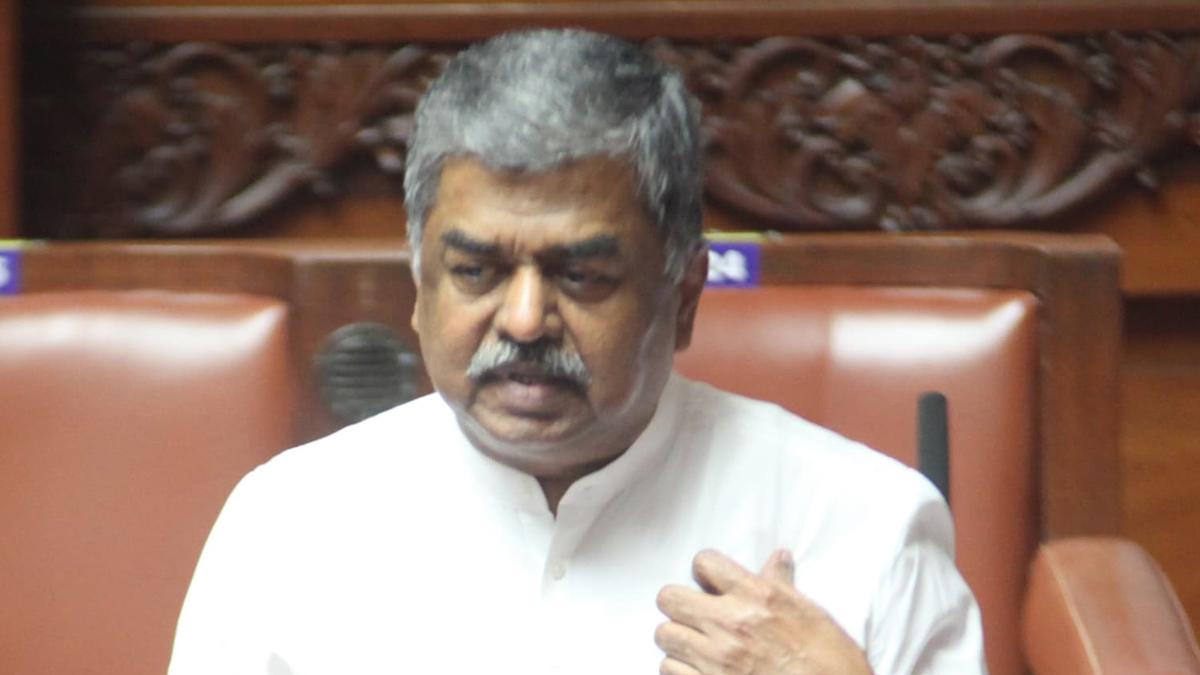
Senior Congress leader B.K. Hariprasad has sparked a political storm by comparing the RSS to the Taliban, alleging that the organization operates illegally without government registration.
- B.K. Hariprasad described RSS as the "Indian Taliban" and an "underworld" organization.
- Alleged that RSS shakhas operate in Karnataka without police permission or legal registration.
- Urged the Siddaramaiah government to monitor RSS activities and ban Bajrang Dal.
In a scathing attack that has ignited a fresh political controversy in Bengaluru, senior Congress leader and MLC B.K. Hariprasad has termed the Rashtriya Swayamsevak Sangh (RSS) as the "Taliban of India." Speaking to journalists on Sunday, Hariprasad questioned the legal standing of the right-wing organization, asserting that it is not a registered body with the government.
The remarks were triggered by a series of RSS marches held across various localities in Bengaluru. Hariprasad pointed out that conducting functions in public spaces, such as parks and grounds, requires mandatory permission from the concerned authorities. He alleged that the RSS has been operating its shakhas (branches) for years using "lathis and talwars" (sticks and swords) without any such authorization.
Why This Matters
BozokMedia analysis shows that this rhetoric signals a deepening ideological divide in Karnataka's political landscape. By using a term as loaded as "Taliban," Hariprasad is attempting to frame the RSS not just as a political opponent, but as an extra-constitutional entity. This move puts pressure on the state government to either take administrative action or risk appearing weak on its own manifesto promises.
"Comparing a domestic socio-cultural organization to a global extremist group is a high-stakes rhetorical strategy designed to polarize the electorate."
Further escalating his critique, Hariprasad described the RSS as an "underworld" organization that operates irresponsibly. He cited the Tamil Nadu government's recent actions—including arrests and bookings of RSS members—as a precedent that the Karnataka government should follow to maintain law and order.
The Congress leader also brought attention to the party's own manifesto, which promised a ban on the Bajrang Dal. He questioned why the current administration has failed to implement this pledge. According to Hariprasad, several ministers have already written to Chief Minister Siddaramaiah, urging him to strictly monitor the activities of the RSS within the state.
Historically, the RSS has maintained that its activities are cultural and educational, while critics argue that its influence over the ruling BJP at the center makes it immune to local administrative scrutiny. This latest clash underscores the volatility of the current political climate in South India.
Frequently Asked Questions
Q1: Why did B.K. Hariprasad compare the RSS to the Taliban?
He based his comparison on the allegation that the RSS operates without government registration and conducts public events without police permission.
Q2: Has the Karnataka government banned the Bajrang Dal?
No, although the Congress party included a promise to ban the organization in its election manifesto, no such action has been taken yet.