Senior Congress leaders Manish Tewari and Vivek Tankha have raised alarms over the routine rejection of parliamentary questions, claiming a deliberate attempt to shield the government from accountability on critical national issues.
- Congress MPs Manish Tewari and Vivek Tankha allege a systematic pattern of disallowed parliamentary questions.
- Manish Tewari claims over 120 of his questions on border incursions and terrorism were rejected between 2020 and 2025.
- Vivek Tankha reports receiving answers to fewer than 10 out of 90 questions in the current Rajya Sabha session.
- The Cockroach Janta Party (CJP) also reported the disallowance of questions regarding NEET-UG protests and paper leaks.
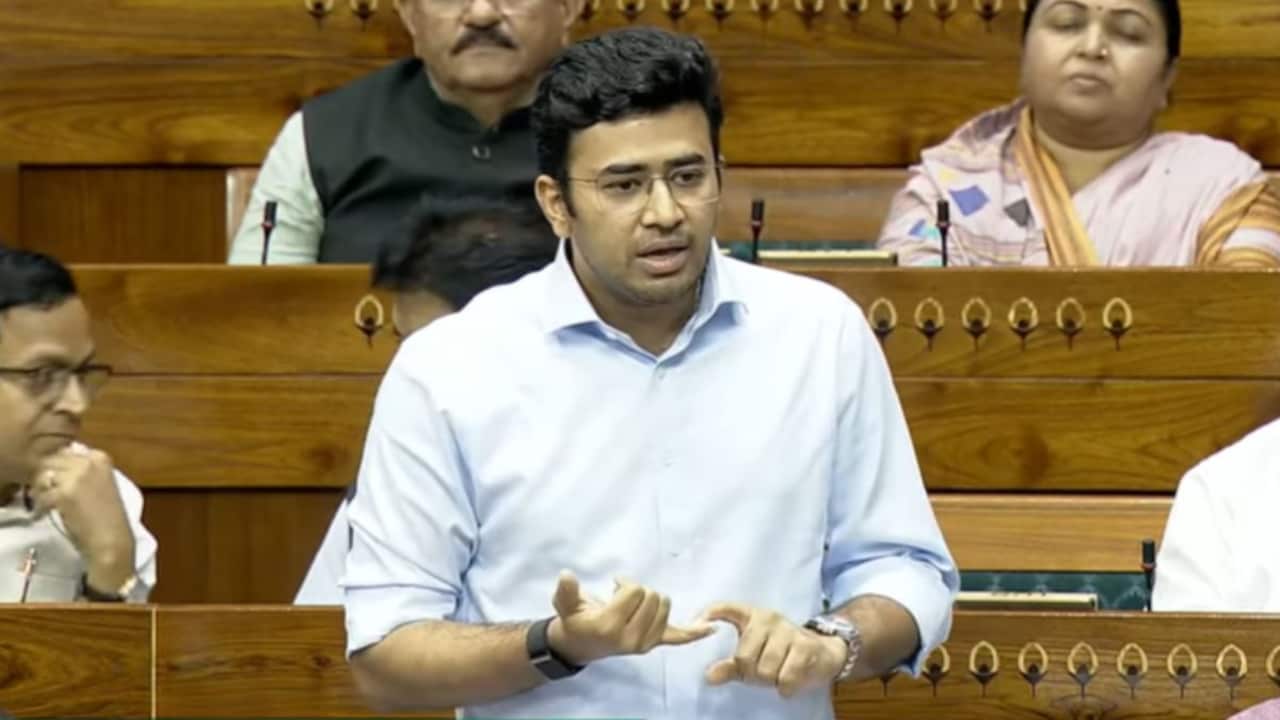
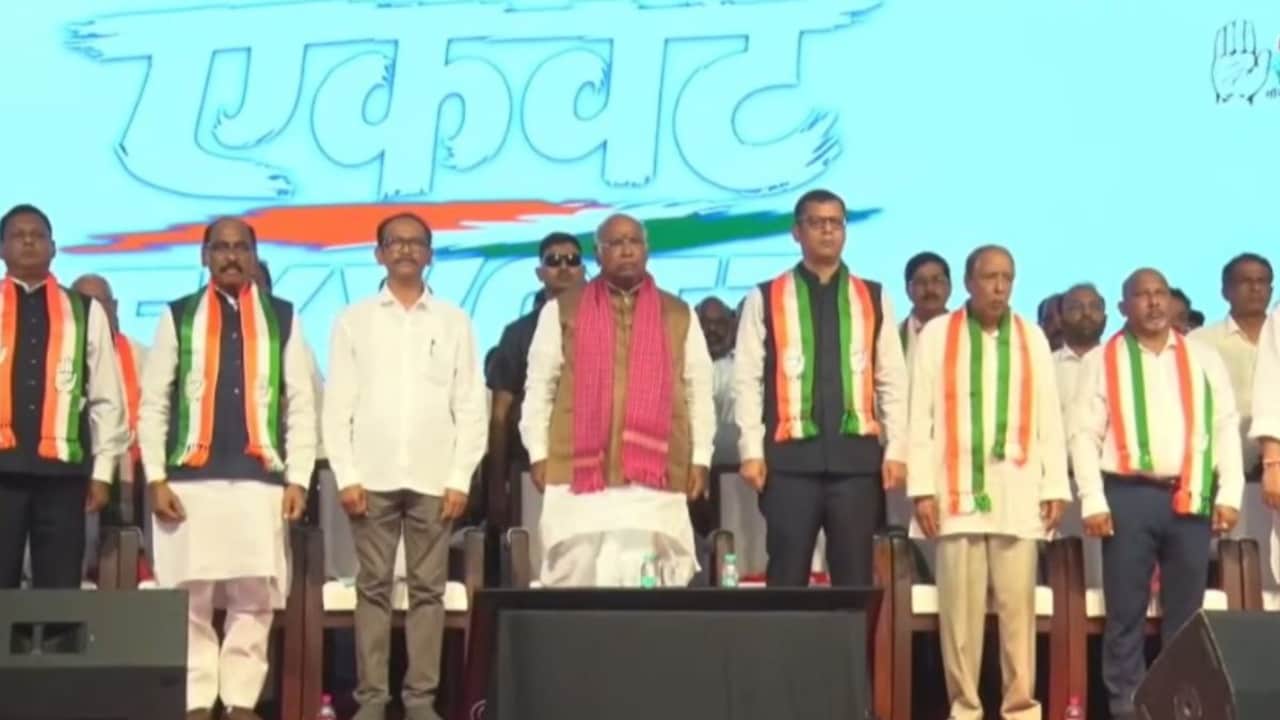
The democratic fabric of India's legislative process has come under intense scrutiny as senior Congress MPs Manish Tewari and Vivek Tankha alleged that the executive is routinely bypassing parliamentary oversight. On Monday, the leaders claimed that questions raised by parliamentarians are either being disallowed at the threshold or left entirely unanswered, effectively weakening the Parliament's constitutional role as a watchdog.
Manish Tewari, the Lok Sabha MP from Chandigarh, provided startling data, stating that more than 120 of his questions submitted between September 2020 and August 2025 were disallowed. These questions touched upon sensitive national security and administrative issues, including Chinese border incursions, Operation Sindoor, terrorism originating from Pakistan, Russian crude oil imports, and the farmer protests. Tewari alleged that the government uses "frivolous rules" to reject questions that would otherwise be embarrassing for the administration.
Similarly, Rajya Sabha MP Vivek Tankha highlighted a worrying trend in the Upper House. Tankha revealed that out of approximately 90 questions he submitted during the current session, he received answers to fewer than ten. He characterized this not as an administrative oversight, but as a "pattern statement," suggesting that the government no longer feels answerable to the legislature, which he argues symbolizes an "institutional decay."
Why This Matters
BozokMedia analysis shows that the ability to ask and receive answers to questions is the primary mechanism through which a government is held accountable in a Westminster-style democracy. When the admissibility of questions becomes selective, the legislative branch loses its power of scrutiny. This shift suggests a growing trend where the executive branch operates with minimal transparency, potentially leading to a deficit in democratic governance.
The systematic rejection of parliamentary questions transforms a deliberative democracy into a mere rubber-stamp assembly, eroding the very essence of executive accountability.
The controversy extends beyond the Congress party. The Cockroach Janta Party (CJP) recently noted that three sets of questions submitted by DMK MP Matheswaran V S regarding youth protests and NEET-UG 2026 paper leaks were disallowed. These questions sought clarity on student welfare, the treatment of peaceful protesters, and the government's engagement with agitated youth following the 'Sansad Chalo' march.
Tewari further lamented the decline of parliamentary culture, noting that since the mid-1980s, disruptions and sloganeering have replaced reasoned debate. He argued that Parliament has devolved from a "hallowed chamber of deliberations" into a "gladiatorial arena" used solely to seize executive power rather than to craft effective laws.
Frequently Asked Questions
Q1: Which specific issues were mentioned as being avoided by the government?
The issues include Chinese border incursions, Operation Sindoor, Pakistani terrorism, Russian oil imports, and the NEET-UG paper leak protests.
Q2: What is the legal basis for allowing or disallowing questions?
Admissibility is governed by Rules 41-44 of the Rules of Procedure and Conduct of Business, along with the Speaker's directions and established parliamentary precedents.