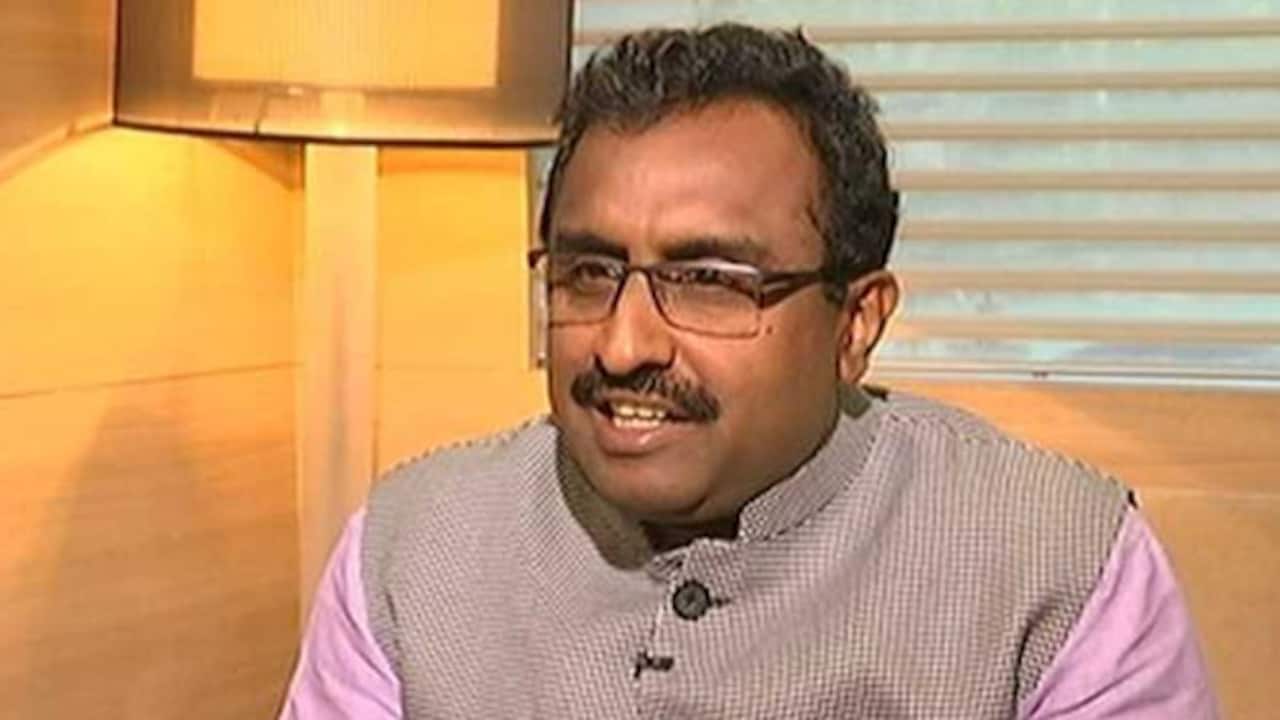
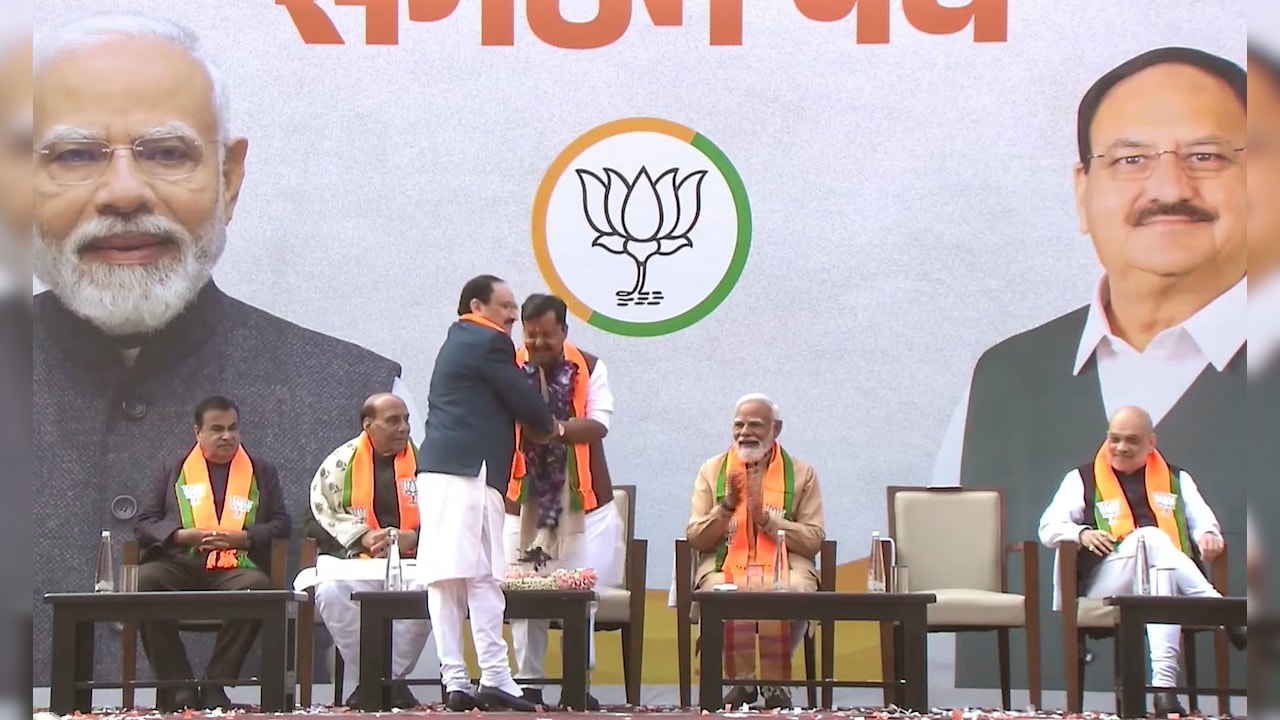
The sudden death of five-time TMC MLA Ashish Banerjee, who left behind a note denying corruption, has ignited a fierce debate over the psychological toll of political persecution in West Bengal.
- Former Deputy Speaker Ashish Banerjee found dead in a party office in Birbhum.
- A suicide note was recovered in which the leader vehemently denied all corruption allegations.
- The incident highlights the intense pressure on TMC leaders following a regime change in West Bengal.
In a shocking development that has sent ripples through the political landscape of West Bengal, Ashish Banerjee, a five-time Trinamool Congress (TMC) MLA and former Minister, was found dead on Sunday. His body was recovered from a party office adjacent to his residence in Rampurhat, Birbhum district. The discovery was accompanied by a purported suicide note in which Banerjee explicitly denied any involvement in corruption, a claim that has since been echoed by leaders across the political spectrum, including the BJP.
Banerjee, 74, was widely regarded as an anomaly in Birbhum politics. The district has long been notorious as a hub for illegal cattle trade, sand smuggling, and unregulated stone quarrying. Despite his reputation as a humble, soft-spoken academic—having taught at Rampurhat Government College—Banerjee could not escape the systemic fallout following the recent change in the state's administration. He served as the Deputy Speaker of the Assembly from 2021 to 2026 during the final term of the Mamata Banerjee government.
Why This Matters
BozokMedia analysis shows that this incident is not merely a personal tragedy but a symptom of a deeper systemic crisis. The transition of power in West Bengal has led to a climate where corruption allegations are frequently weaponized. The 'chor chor' (thief thief) slogans directed at former CM Mamata Banerjee and the subsequent humiliation of arrested leaders suggest a shift from legal accountability to public shaming. This environment creates immense psychological distress for political figures, regardless of their personal integrity.
The weaponization of corruption probes often bypasses the judiciary, turning the court of public opinion into a site of mob justice.
The political climate has become so volatile that a significant portion of the TMC has split, with many leaders attempting to 'wash off' the taint of the previous administration. This has led to the emergence of the 'washing machine' metaphor, where joining the BJP is seen as a shortcut to escaping graft charges. However, the death of a clean-image leader like Ashish Banerjee suggests that switching allegiances may not provide the sanctuary many hope for.
The current government, led by Suvendu Adhikari, has been aggressive in pursuing cases against the previous regime. While accountability is essential for governance, the line between legal investigation and political vendetta has blurred. The case of MP Mahua Moitra, who recently approached the Supreme Court regarding her appearance in court, further underscores the tension between the state machinery and the former ruling party.
| Aspect | Previous Regime (TMC) | Current Regime (BJP-led) |
|---|---|---|
| Focus | Infrastructure & Social Schemes | Anti-Corruption Drives & Audits |
| Political Tone | Centralized Authority | Aggressive Prosecution of Predecessors |
| Public Perception | Allegations of Syndicate Raj | Allegations of Political Vendetta |
Frequently Asked Questions
Q1: Who was Ashish Banerjee?
He was a five-time TMC MLA, former West Bengal Minister, and Deputy Speaker of the Assembly (2021-2026), known for his clean image and academic background.
Q2: What was the significance of the note found with him?
The note served as a final testament to his integrity, as he vehemently denied the corruption charges that have plagued many of his party colleagues.