Assam Chief Minister Himanta Biswa Sarma has suggested reducing the buffer zone around Kaziranga National Park to a minimum of 1 km, igniting fierce opposition from environmentalists and civil society. The move, framed as a push for urban growth, raises serious concerns about the long‑term protection of the UNESCO World Heritage site.
Key Takeaways
- Assam government seeks to cut the standard 10 km ESZ to 1 km around Kaziranga.
- Conservation experts warn the reduction could endanger the park’s fragile ecosystem.
- The Supreme Court has previously set minimum ESZ standards in similar cases.
Historical Background
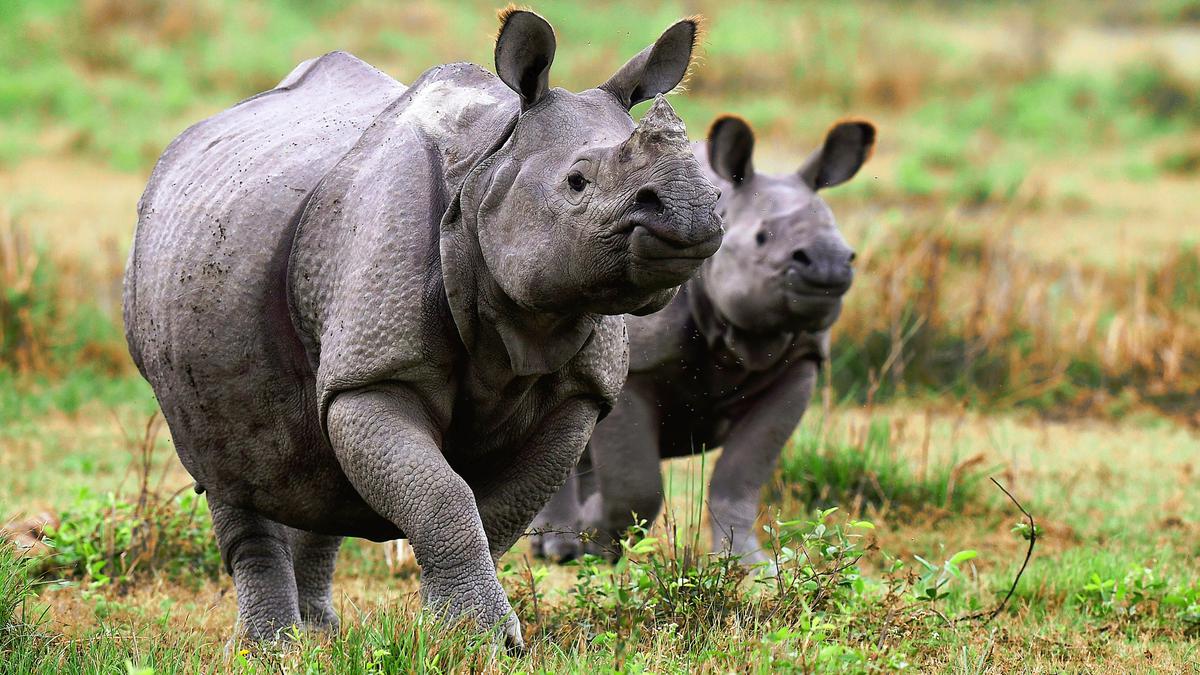
The Eco‑Sensitive Zone (ESZ) concept was formalized in 2002 by the National Board for Wildlife to create a protective buffer around protected areas, limiting harmful human activities. In 2011, the Ministry of Environment, Forest and Climate Change instructed states to submit site‑specific ESZ proposals, generally recommending a 10‑km radius.Kaziranga, home to the world‑renowned one‑horned rhinoceros, currently operates under this default 10‑km ESZ because a tailored notification has not yet been issued.
Chief Minister Sarma cited the Deepor Beel Ramsar site near Guwahati—where a 1‑km ESZ was applied—to argue that neighboring towns like Bokakhat and Kaliabor should not be constrained by a wider buffer.
Why This Matters
BozokMedia analysis shows that reducing the ESZ around Kaziranga could accelerate urban sprawl, increase human‑wildlife conflicts, and undermine decades‑long conservation gains, potentially jeopardizing the park’s UNESCO World Heritage status.
"A 1‑km ESZ would provide insufficient protection for Kaziranga’s wildlife corridors," says Dr. Maya Patel, wildlife conservation expert.
Frequently Asked Questions
- Is a 1‑km ESZ legally permissible? Yes, if the state submits a site‑specific proposal that receives approval from the central Ministry of Environment, Forest and Climate Change.
- What risks does a reduced ESZ pose for Kaziranga? It could lead to habitat fragmentation, heightened human‑animal conflict, and a possible decline in tourism revenue.