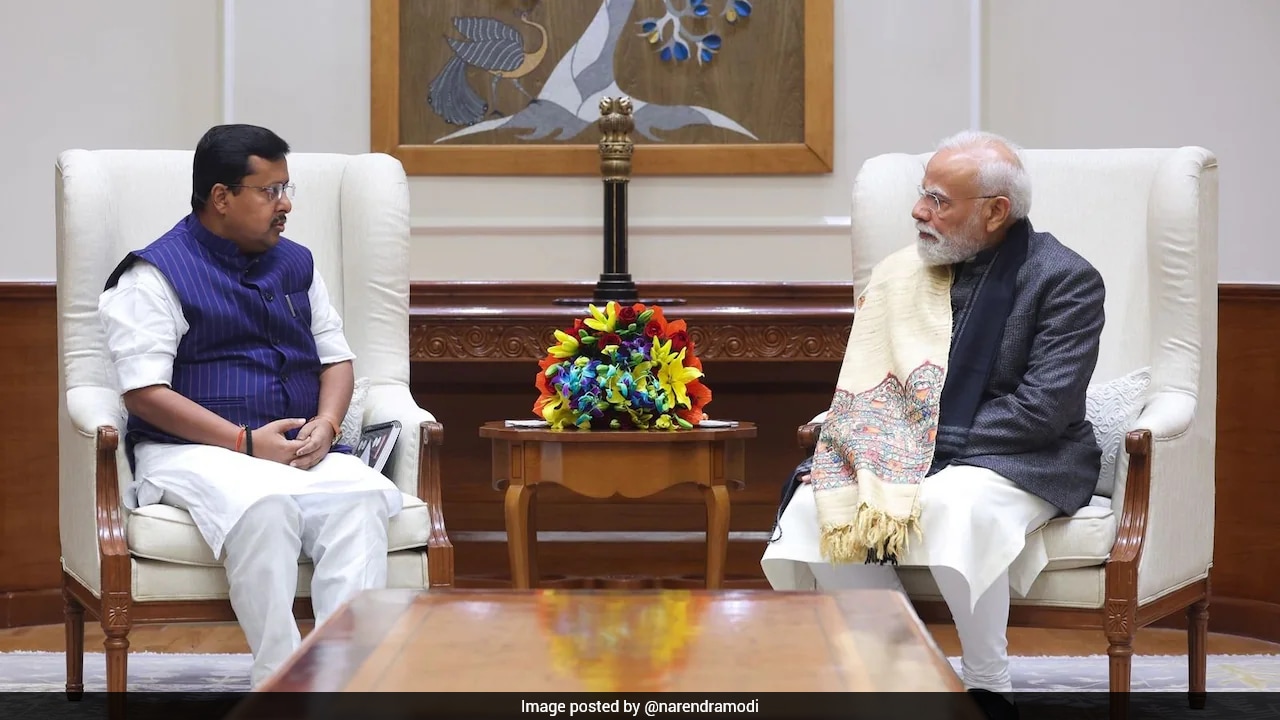
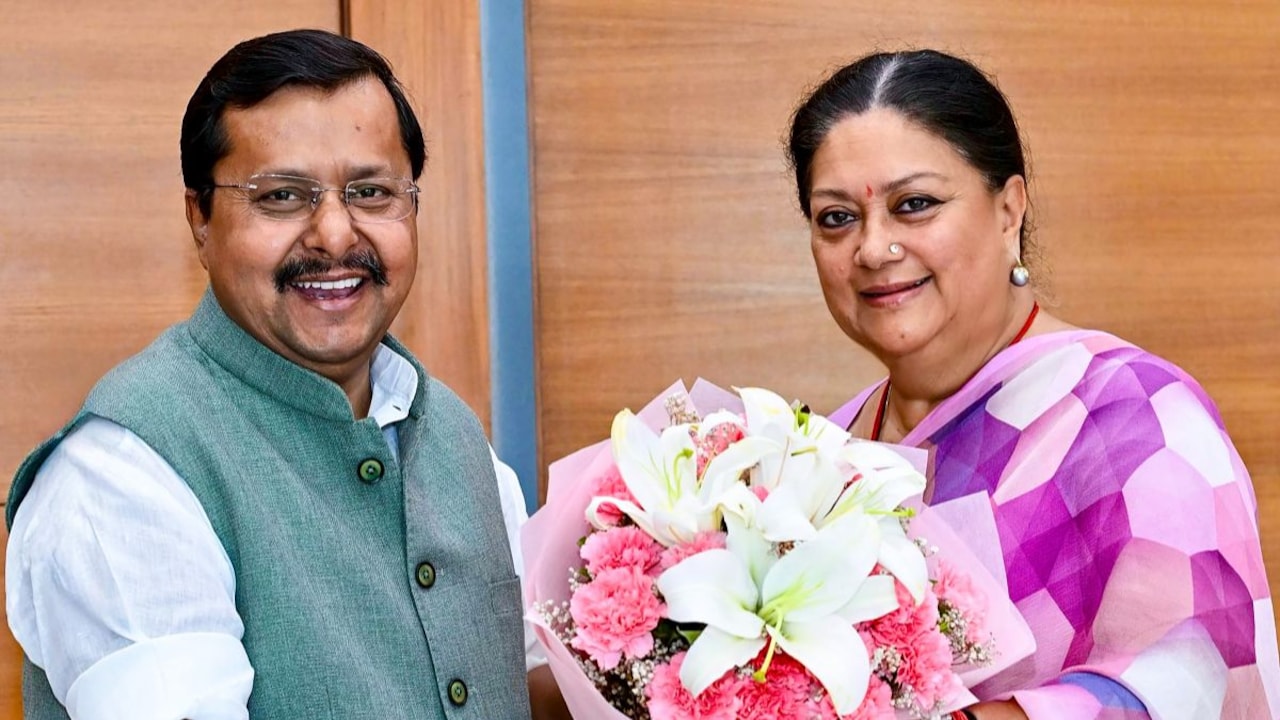
The political machinery for Mission 2027 has been set in motion, with parties leveraging cultural symbols like the Ram Mandir and Vande Mataram to capture the voter base. This sets the stage for a high-stakes clash between identity politics and developmental agendas.
- Political parties have initiated early strategic planning for the 2027 elections.
- Cultural nationalism and spiritual symbols are being positioned as core campaign pillars.
- The contest is evolving into a battle between ideological identity and socio-economic delivery.
The political landscape in India is witnessing the early tremors of Mission 2027. As parties begin to calibrate their campaigns, it is evident that the upcoming elections will be fought on a blend of ideological fervor and strategic mobilization. The focus has shifted toward symbols that evoke deep emotional and nationalistic sentiments.
Central to this strategy is the invocation of the Ram Mandir and the spirit of Vande Mataram. By aligning themselves with these potent cultural markers, political entities aim to consolidate a specific voter demographic. However, the opposition is countering this by attempting to pivot the conversation toward systemic issues such as unemployment and inflation.
Why This Matters
BozokMedia analysis shows that the strategic use of cultural symbols serves as a powerful tool for voter consolidation. When political narratives transcend simple policy promises and enter the realm of spiritual and national identity, the volatility of the electorate increases, making traditional polling less predictable and narrative-building more critical.
"The 2027 elections will likely be a litmus test for whether cultural nationalism can continue to outweigh economic grievances in the Indian electorate."
Historically, the intersection of religion and politics in India has been a recurring theme. From the Mandal-Kamandal era to the contemporary surge in nationalism, the electorate has often responded to appeals of identity. Yet, the challenge remains: can a narrative of pride sustain a mandate if basic economic needs are not met?
Political strategists are now focusing on 'hyper-local' campaigning, using digital tools to tailor messages to specific communities. The winning formula for 2027 will likely be a sophisticated mix of high-decibel nationalistic rhetoric and targeted promises of grassroots development.
Frequently Asked Questions
Q1: What are the primary drivers for Mission 2027?
A: The primary drivers include cultural nationalism, the legacy of the Ram Mandir, economic growth, and youth employment.
Q2: Can cultural symbols alone guarantee an electoral victory?
A: While symbols mobilize the base, long-term victory usually requires a combination of emotional appeal and tangible governance success.