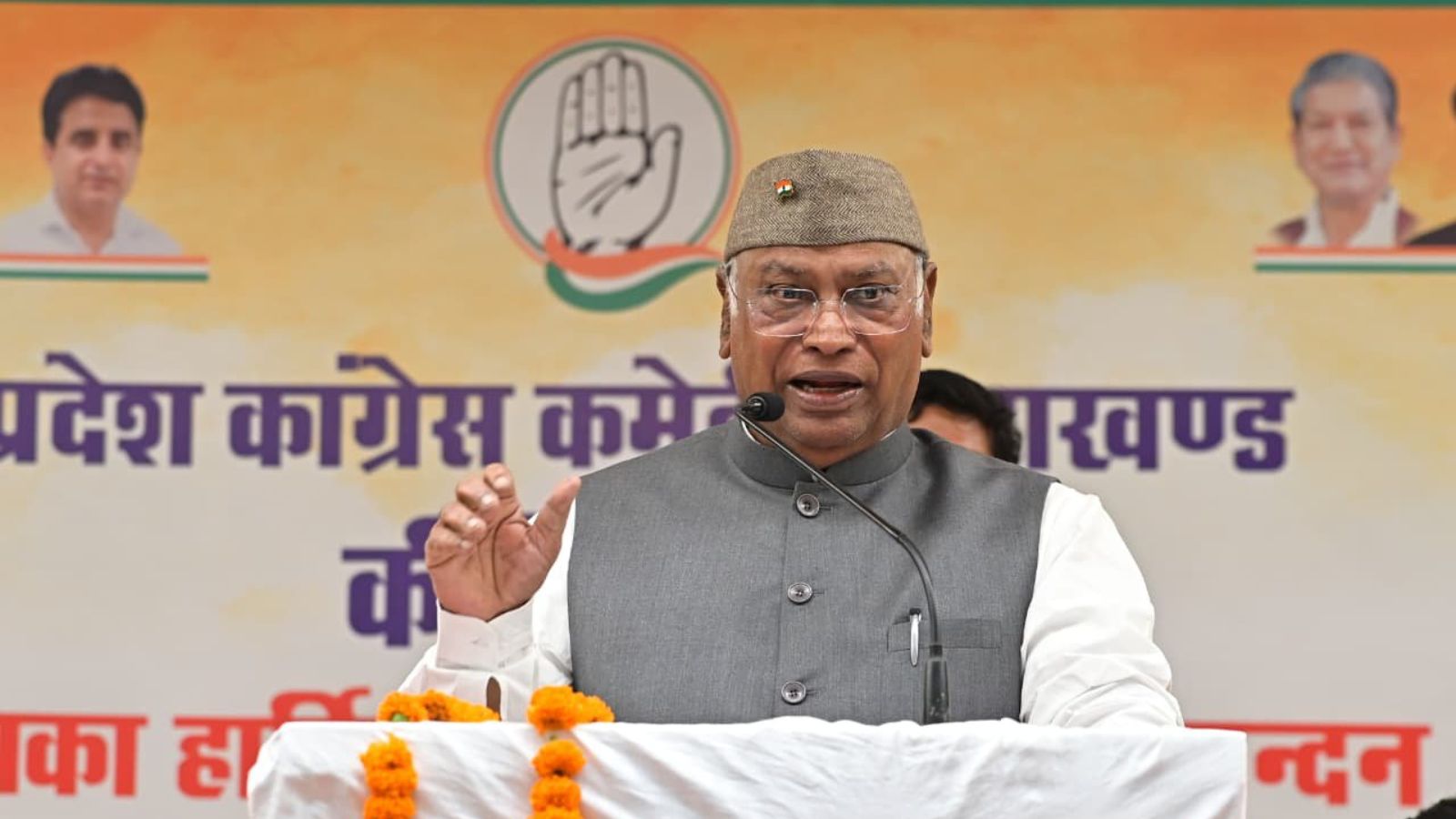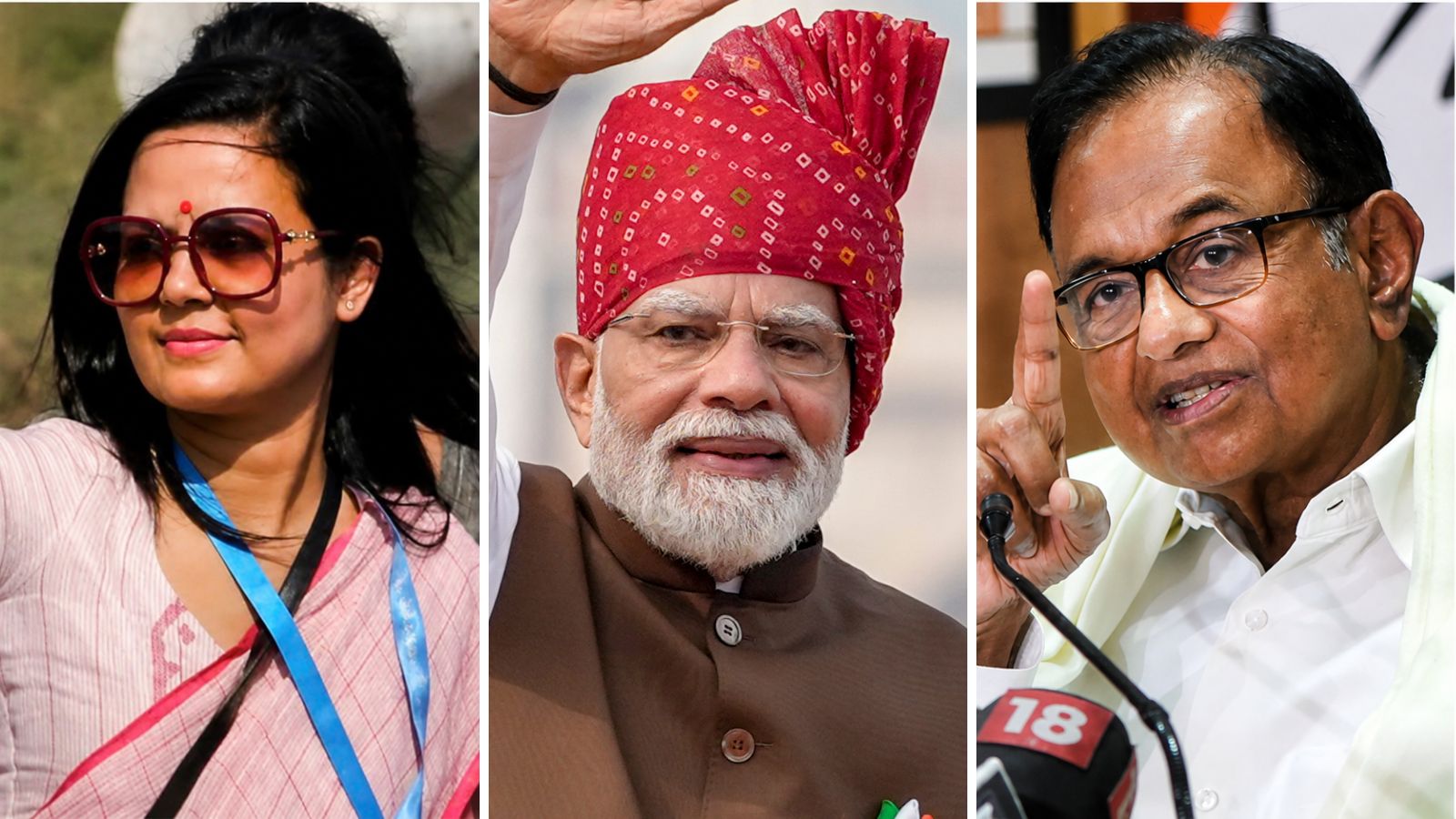
A fierce political battle has broken out after PM Narendra Modi warned against 'Dimagi Naxals' during his Independence Day speech. While opposition leaders P. Chidambaram and Arvind Kejriwal have embraced the term as a badge of honor, the BJP has labeled their response as damaging to national security.
- PM Modi identified 'Dimagi Naxals' (ideological Naxals) as a continuing threat to India's internal security.
- Opposition leaders P. Chidambaram and Arvind Kejriwal responded by claiming they are proud to be 'Dimagi Naxals'.
- The BJP has demanded an inquiry into Chidambaram's tenure as Home Minister following his remarks.
During the Independence Day celebrations at the Red Fort, Prime Minister Narendra Modi introduced a provocative new term into the political lexicon. While acknowledging that armed Naxalism has significantly weakened, the PM warned that those with a "Naxal mentality"—whom he termed 'Dimagi Naxals'—continue to pose a threat to the nation. He urged the country to identify and isolate these ideological actors who he claims are waiting for opportunities to revive anarchy.
The reaction from the opposition was swift and defiant. Senior Congress leader P. Chidambaram took to X (formerly Twitter) to state, "I am proud to be a dimagi naxal!" He argued that this term is merely a "new variant" of previous BJP labels such as 'Urban Naxals' and the 'Tukde-Tukde gang,' all designed to target members of the opposition who question the government.
AAP National Convenor Arvind Kejriwal mirrored this sentiment, embracing the label while positioning himself as a "true patriot." Kejriwal invoked the legacies of Bhagat Singh and B.R. Ambedkar, suggesting that their challenges to authority would have likely earned them the 'Dimagi Naxal' label in today's political climate. He asserted that seeking a corruption-free system should not be equated with anti-national activities.
Why This Matters
BozokMedia analysis shows that this exchange marks a strategic shift in opposition rhetoric. Instead of denying the accusation, leaders like Chidambaram and Kejriwal are attempting to 'reclaim' the terminology to make the government's labels appear absurd. However, by doing so, they have provided the BJP with a potent narrative to question their loyalty to the Indian Constitution, effectively turning a semantic debate into a national security issue.
"The transition from 'Urban Naxal' to 'Dimagi Naxal' shows a refinement in political branding aimed at isolating dissenters as ideological threats rather than just political opponents."
The BJP has responded with intense criticism. Union Minister Kiren Rijiju described Chidambaram's response as "highly damaging," clarifying that the PM's remarks were directed at those who reject the Constitution and support separatists. Assam CM Himanta Biswa Sarma escalated the attack, claiming Chidambaram is not a 'dimagi' but a "pure Naxal," and called for a probe into whether the former Home Minister deliberately failed to curb Naxalism during his term.
Furthering the attack, BJP spokesperson Sudhanshu Trivedi pointed to the contradictions within the Congress party, citing former PM Manmohan Singh's 2006 declaration that Naxalism was the single biggest internal security challenge facing India. He questioned why a leader of the same party is now claiming pride in that very ideology.
Frequently Asked Questions
1. What did PM Modi mean by 'Dimagi Naxal'?
He referred to individuals who operate through ideological influence rather than arms to promote instability and anarchy within the country.
2. Why is the BJP demanding an inquiry into P. Chidambaram?
Because Chidambaram served as the Union Home Minister, the BJP argues that his claim of being a 'Dimagi Naxal' suggests he may have intentionally hindered anti-Naxal operations.