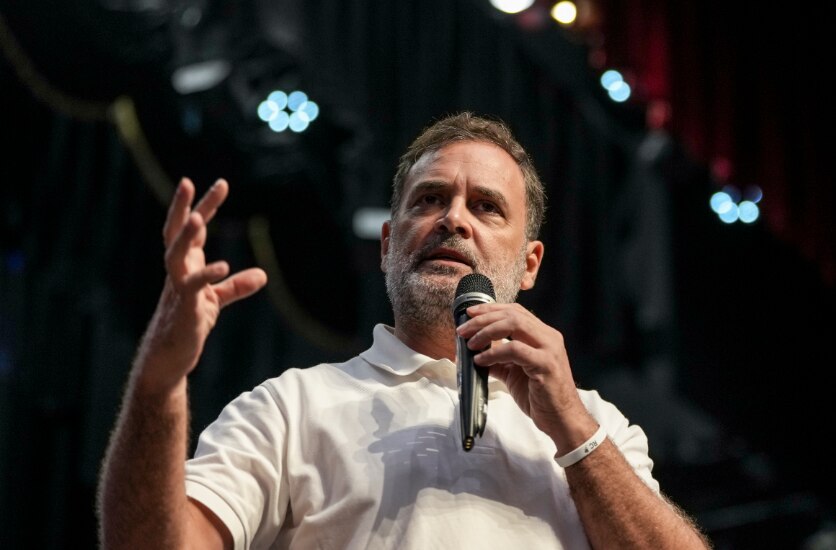
Amid escalating student protests in Jharkhand, Rahul Gandhi wrote to coalition partner Hemant Soren urging him to engage with the demonstrators and acknowledge their legitimate demands. The move aims to defuse a potentially destabilising rally that threatens the alliance.
Key Takeaways
- Students are demanding reforms on tuition fees, job creation, and academic autonomy.
- Rahul Gandhi directly addressed Hemant Soren, labeling the demands as legitimate.
- The coalition faces rising tension that could impact national politics.
Proposed Action
Student protests have erupted across multiple colleges in Jharkhand, with demonstrators calling for reduced tuition, increased employment opportunities, and greater academic freedom. Senior Congress leader Rahul Gandhi penned a letter to coalition ally Hemant Soren, urging him to meet the students and treat their demands as legitimate.
Political Landscape
By reaching out to Soren, Gandhi signalled that ignoring the movement could erode Congress’s support base ahead of upcoming elections. The correspondence is seen as a strategic effort to contain dissent within the alliance and preserve its electoral prospects.
Historical Background
Jharkhand has a long history of student activism dating back to the state's formation in the 1990s, when educational and employment grievances sparked large‑scale protests. This wave of demands is more focused and poses a significant policy challenge for the current administration.
Why This Matters
BozokMedia analysis shows that the handling of student protests can sway voter sentiment in upcoming state elections, making this dialogue crucial for the stability of the coalition.
“If student voices are ignored, democracy faces a serious threat,” says political analyst Prof. Anjali Singh.
Frequently Asked Questions
Q1: What specific demands did Rahul Gandhi highlight to Hemant Soren?
A: He emphasized lowering tuition fees, creating more job opportunities, and granting greater autonomy to academic institutions.
Q2: How could this letter affect the coalition's future?
A: If both leaders resolve the issues, the alliance remains stable; otherwise, the unrest could ripple into national politics.