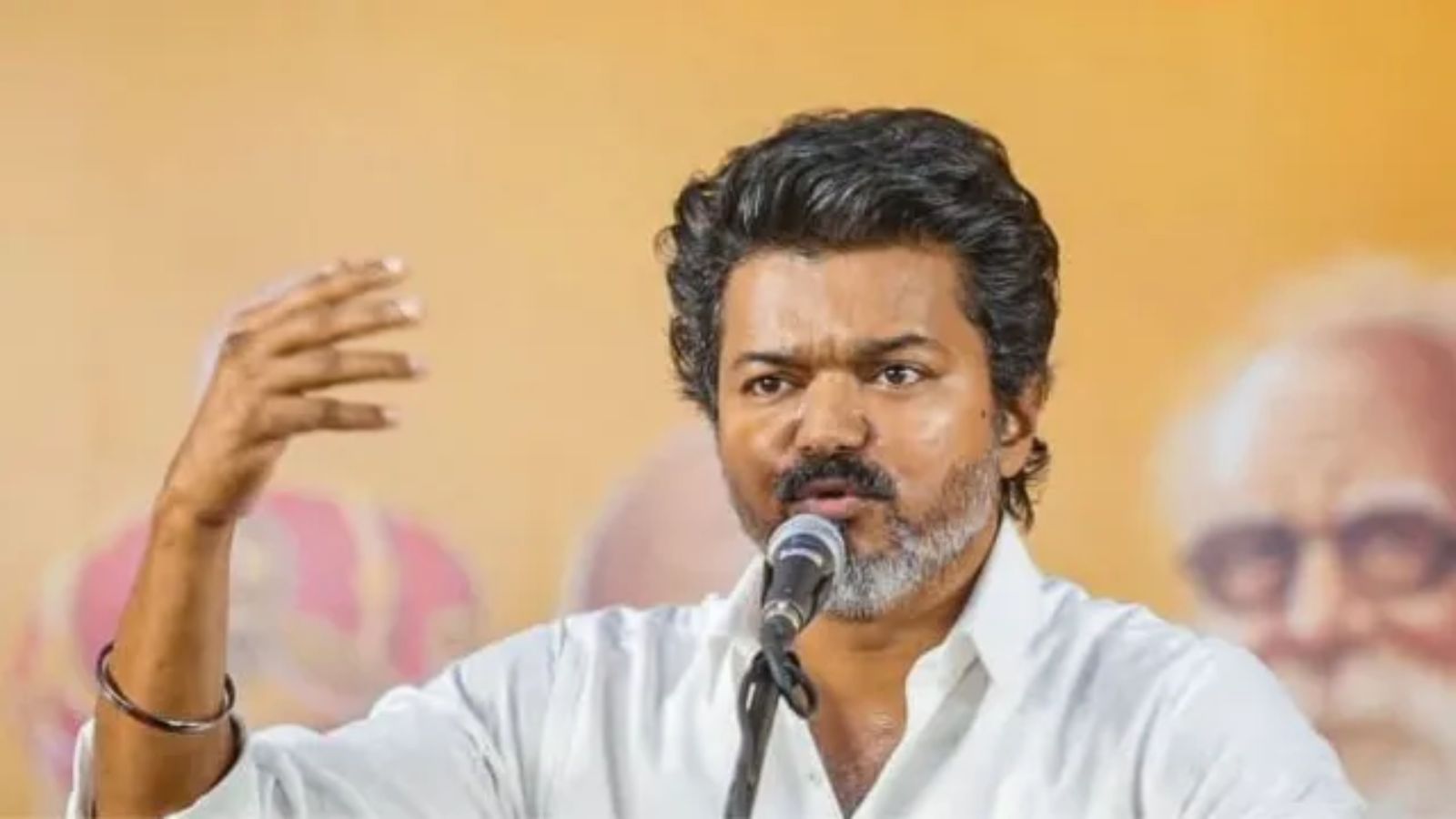
Chief Minister C Joseph Vijay's first 100 days have brought an unusual disruption to Tamil Nadu's administrative machinery. While corruption has seen a temporary dip due to political inexperience, questions remain about long-term systemic reform.
- Visible corruption has declined as the new political class lacks the established 'machinery' of previous regimes.
- Bureaucrats currently hold an upper hand due to their institutional experience over the inexperienced ministers.
- CM Vijay's governance style is heavily event-driven, focusing on high-visibility surprise inspections.
- The government is shifting towards transparency, including the live broadcasting of Assembly proceedings.
The first one hundred days of Chief Minister C Joseph Vijay's administration in Tamil Nadu represent a unique political experiment. For the first time in decades, a formidable and aged administrative machine has been handed over to a political class—the TVK (Tamilaga Vettri Kazhagam)—that possesses almost zero experience in operating the levers of state power. This vacuum of experience has created a volatile yet intriguing dynamic within the corridors of Fort St George.
One of the most surprising outcomes of this inexperience is the reported decline in visible corruption. According to senior government secretaries, corruption in Tamil Nadu was not just about individual greed but was a systemic operation requiring specific 'skills' and logistics. Because the TVK ministers did not inherit the existing 'party fund' machinery or the networks required to solicit bribes, the cycle of corruption has momentarily stuttered. Officials are now less likely to demand bribes because their political superiors are not demanding a share.
Why This Matters
BozokMedia analysis shows that the current 'honeymoon period' of low corruption is likely a byproduct of ignorance rather than a deliberate policy victory. The real challenge for the Vijay government will be whether it can institutionalize integrity before the new political class acquires the 'skills' of corruption that plagued their predecessors. The transition from event-driven governance to system-driven governance is the critical hurdle.
However, this lack of experience has shifted the balance of power toward the bureaucracy. Currently, top officials possess a deep institutional knowledge that the ministers lack, making it difficult for the political executive to challenge sophisticated departmental proposals. This has led to a friction-filled environment where both officers and ministers frequently complain about each other to the Chief Minister.
"Corruption also requires skills; the current decline is a result of the new regime's starting trouble, not necessarily a permanent cure."
Chief Minister Vijay has attempted to disrupt bureaucratic inertia through high-visibility actions. From surprise visits to Dalit hostels in Chennai to inspections at the Egmore children's hospital, his approach is designed to produce 'instant government.' While these visits trigger immediate action and punishments, critics argue that without a data-driven dashboard to monitor statewide standards, these efforts remain a sequence of well-photographed emergencies rather than systemic overhauls.
Despite these challenges, there are signs of progressive transparency. The decision to broadcast Assembly proceedings, including the Question Hour, live to the public marks a significant departure from the past, where citizens relied on edited clips. This move aims to hold the government accountable in real-time, reflecting Vijay's desire for a more open administration.
Frequently Asked Questions
Q1: Why has corruption decreased under the Vijay government?
A: It is largely attributed to the new ministers' lack of experience and existing networks required to organize and collect systemic bribes.
Q2: What is the main criticism of CM Vijay's governance style?
A: He is criticized for 'event-driven governance,' where immediate results are achieved through surprise visits rather than long-term systemic reforms.