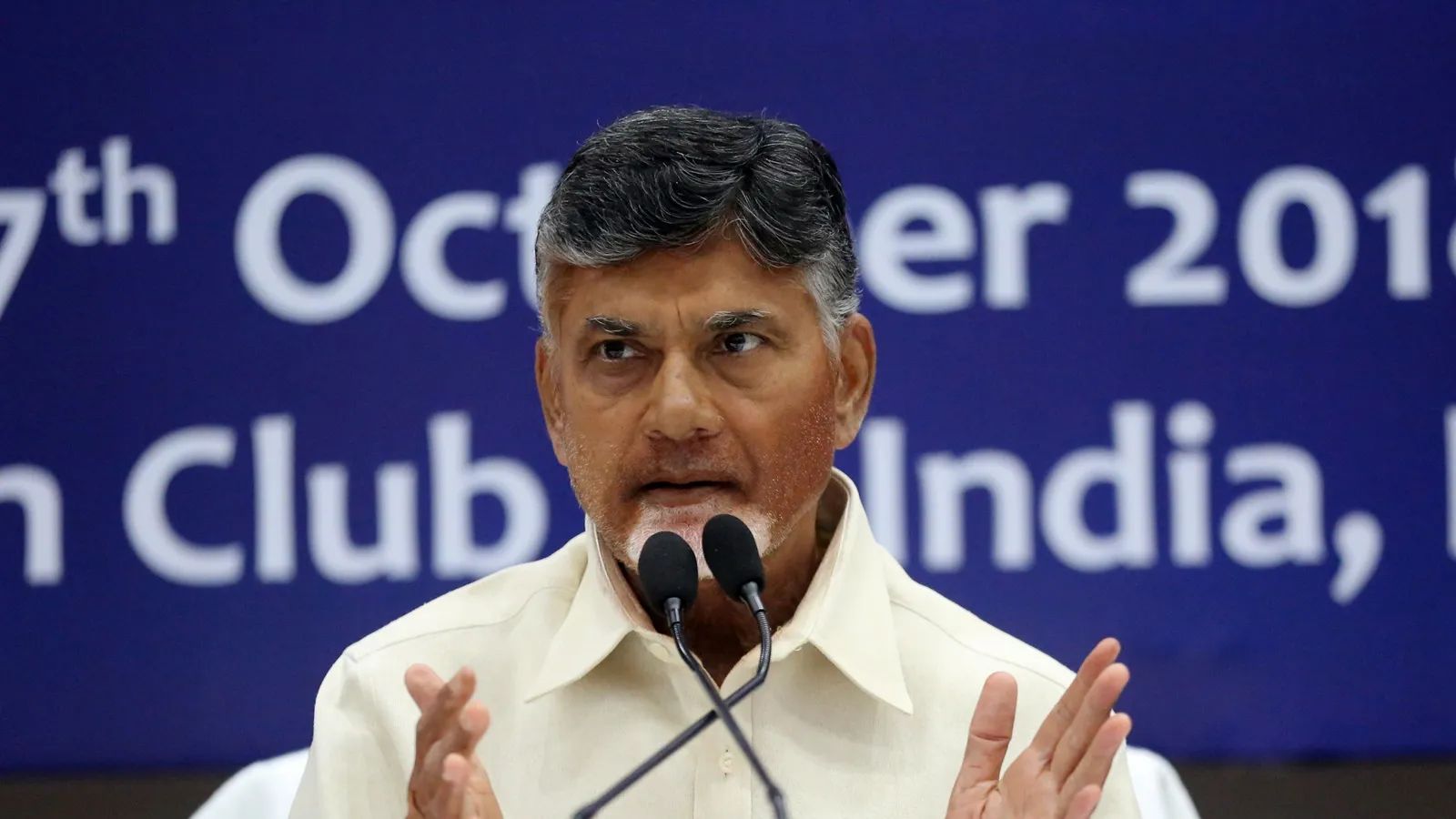
Chief Minister N. Chandrababu Naidu has announced a landmark increase in Backward Class (BC) reservation from 20% to 34% for upcoming local body elections. This move aims to correct historical injustices and empower the community through political representation.
- BC reservation in local bodies increased from 20% to 34%.
- 34% quota for rural local bodies; 33.33% for urban local bodies.
- Mayors and Municipal Chairpersons to be elected through direct polls.
- The move fulfills a key 2024 election manifesto promise.
In a significant move aimed at bolstering social justice, the Andhra Pradesh government has announced a 34% reservation for Backward Classes (BC) in the upcoming local body polls. Addressing the Legislative Assembly in Amaravati, Chief Minister N. Chandrababu Naidu stated that this decision is a historic step toward fulfilling the 2024 election manifesto of the TDP-led NDA government.
The Chief Minister emphasized that the increase from the previous 20% quota to 34% is not merely a statistical adjustment but a necessary measure to correct the systemic injustices faced by the BC community under the previous administration. With BC communities making up approximately 50.54% of the state's population, Naidu argued that their political empowerment is essential for the state's progress.
Why This Matters
BozokMedia analysis shows that this policy shift is designed to create a more inclusive political landscape. By increasing the quota, the government is directly addressing the representation gap for a demographic that holds massive electoral weight. Furthermore, the transition to direct elections for Mayors and Municipal Chairpersons in urban areas is a strategic move to enhance administrative stability and curb the culture of political defections, often referred to locally as 'Aaya Ram Gaya Ram.'
This is not merely a reservation decision; it is a historic correction that provides political voice, dignity, and participation to the BC community.
The implementation strategy extends beyond mere polling numbers. CM Naidu highlighted that the government's vision includes securing a rightful place for BCs through education, skill development, employment, and entrepreneurship. The goal is to eliminate economic disparities and ensure that 'Backward Classes' are no longer held back by a lack of opportunity.
Historical Background and Alliance Dynamics
The 2024 election victory for the NDA alliance was unprecedented, achieving a 94% strike rate. This mandate was largely attributed to the trust placed in the leadership by the BC communities. Naidu also noted that leaders like Pawan Kalyan of Jana Sena and the BJP leadership had consistently supported the promise of enhanced BC reservations, showcasing a unified front within the alliance.
| Feature | Previous Status | New Policy |
|---|---|---|
| BC Reservation (Rural) | 20% | 34% |
| BC Reservation (Urban) | 20% | 33.33% |
| Mayor Election Method | Indirect | Direct |
Frequently Asked Questions
1. How much reservation will be provided in urban local bodies?
In urban local bodies, the Backward Class (BC) quota will be set at 33.33%.
2. What is the significance of direct elections for Mayors?
Direct elections aim to foster stable governance and prevent political defections by giving the mandate directly from the voters.