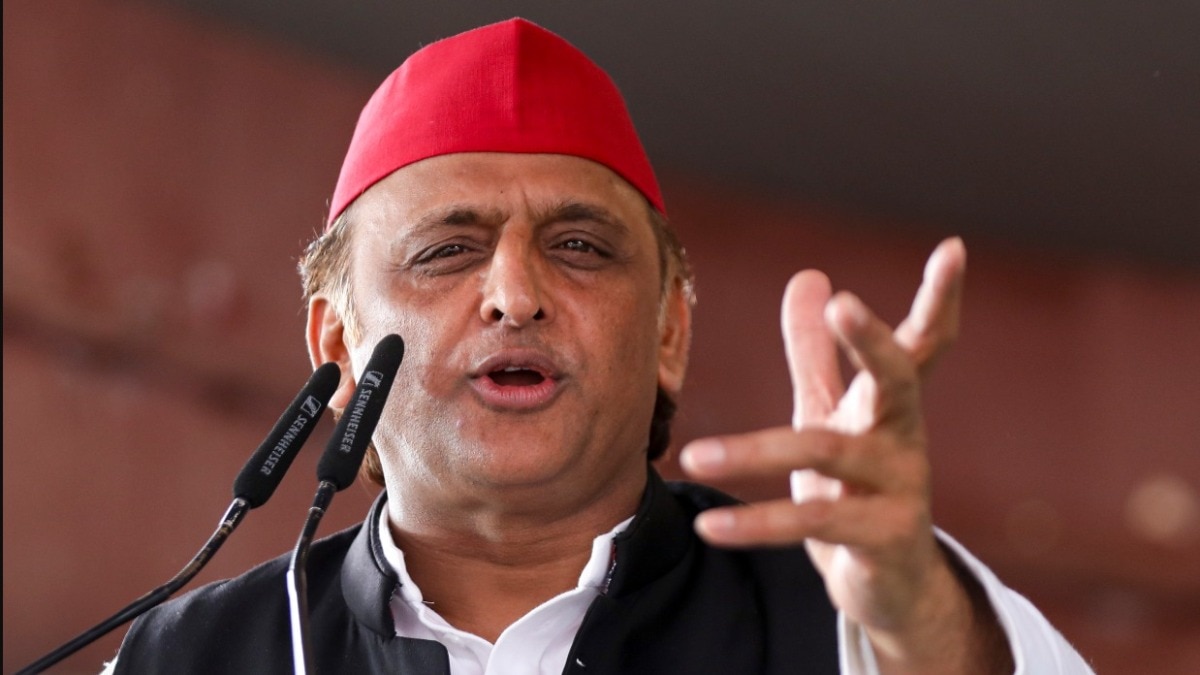
The BJP undergoes a major organizational reshuffle focusing on Uttar Pradesh, while US President Donald Trump leverages India's electoral system to push for stricter voter ID laws in America.
- BJP reshuffles national team with a heavy focus on Uttar Pradesh for the 2027 Assembly elections.
- Donald Trump proposes the SAVE America Act, citing India's 2024 Lok Sabha elections as a model for mandatory photo IDs.
- Indian government issued over 2,300 blocking orders to Meta and YouTube between March and July 2026.
- Delhi's voter rolls may shrink by 30-40% following a Special Intensive Revision.
In a significant political realignment, the Bharatiya Janata Party (BJP) has initiated a comprehensive organizational reset under president Nitin Nabin. The primary objective is clear: securing a dominant position in the Uttar Pradesh Assembly elections of 2027. By integrating eight leaders from UP into the national team, the party is signaling that the state remains the epicenter of its electoral strategy following the mixed results of the 2024 Lok Sabha polls.
The reshuffle is characterized by a strategic blend of seasoned organizational veterans and new political recruits. Notable appointments include Sandeep Pathak (formerly of AAP) and Rohan Gupta (formerly of Congress) as national secretaries. This move indicates the BJP's appetite for absorbing experienced leaders from opposing ideologies to broaden its appeal. However, the move has sparked internal discussions regarding the party's limited footprint in Southern India, specifically the total absence of representation from Telangana.
Why This Matters
BozokMedia analysis shows that the BJP is transitioning from a broad national narrative to a hyper-localized, state-centric approach. By empowering leaders like Deepak Mhaskey, the new social media convener, the party is preparing to combat AI-generated 'fake narratives' and target Gen Z voters with platform-specific strategies. This shift suggests the BJP recognizes that digital warfare is now as critical as ground-level booth management.
The convergence of digital content regulation and organizational restructuring marks a new era of 'precision politics' in the Indian democratic landscape.
On the international front, US President Donald Trump has sparked debate by invoking India's electoral integrity to support his proposed SAVE America Act. Trump highlighted the 2024 Lok Sabha elections, where 646 million voters were required to provide photo identification, as a benchmark for preventing fraud. The proposed US legislation would mandate proof of citizenship for voter registration and tighten rules on mail-in ballots, a move critics argue could disenfranchise millions of eligible American voters.
Simultaneously, the Indian government's relationship with Big Tech has reached a new level of intensity. Between March and July 2026, the Centre issued 2,312 blocking orders to Instagram, Facebook, and YouTube. Meta platforms bore the brunt of these orders, accounting for nearly 90% of the takedowns. The integration of Meta's API with the government's Sahyog portal allows for automated removals within three hours, raising serious questions about due process and free speech.
| Platform | Blocking Orders (Mar-July 2026) | Primary Content Targeted |
|---|---|---|
| ~1,00,000 | Student Protests, Deepfakes | |
| ~80,000 | Political Narratives, Exam Leaks | |
| YouTube | ~15,000 | Government Critiques, Misinformation |
Domestically, Delhi is bracing for a massive shift in its electoral landscape. The Special Intensive Revision (SIR) of voter rolls is expected to delete 30-40% of existing names due to deaths or relocations. This massive purge is likely to trigger political friction as parties scrutinize the transparency of the verification process.
Frequently Asked Questions
Q1: What is the SAVE America Act proposed by Donald Trump?
It is a legislative proposal seeking stricter citizenship checks and mandatory photo ID for US federal elections to prevent alleged voter fraud.
Q2: Why is the BJP focusing heavily on Uttar Pradesh right now?
The party is preparing for the 2027 Assembly elections and aims to strengthen its organizational machinery after setbacks in the 2024 Lok Sabha polls.