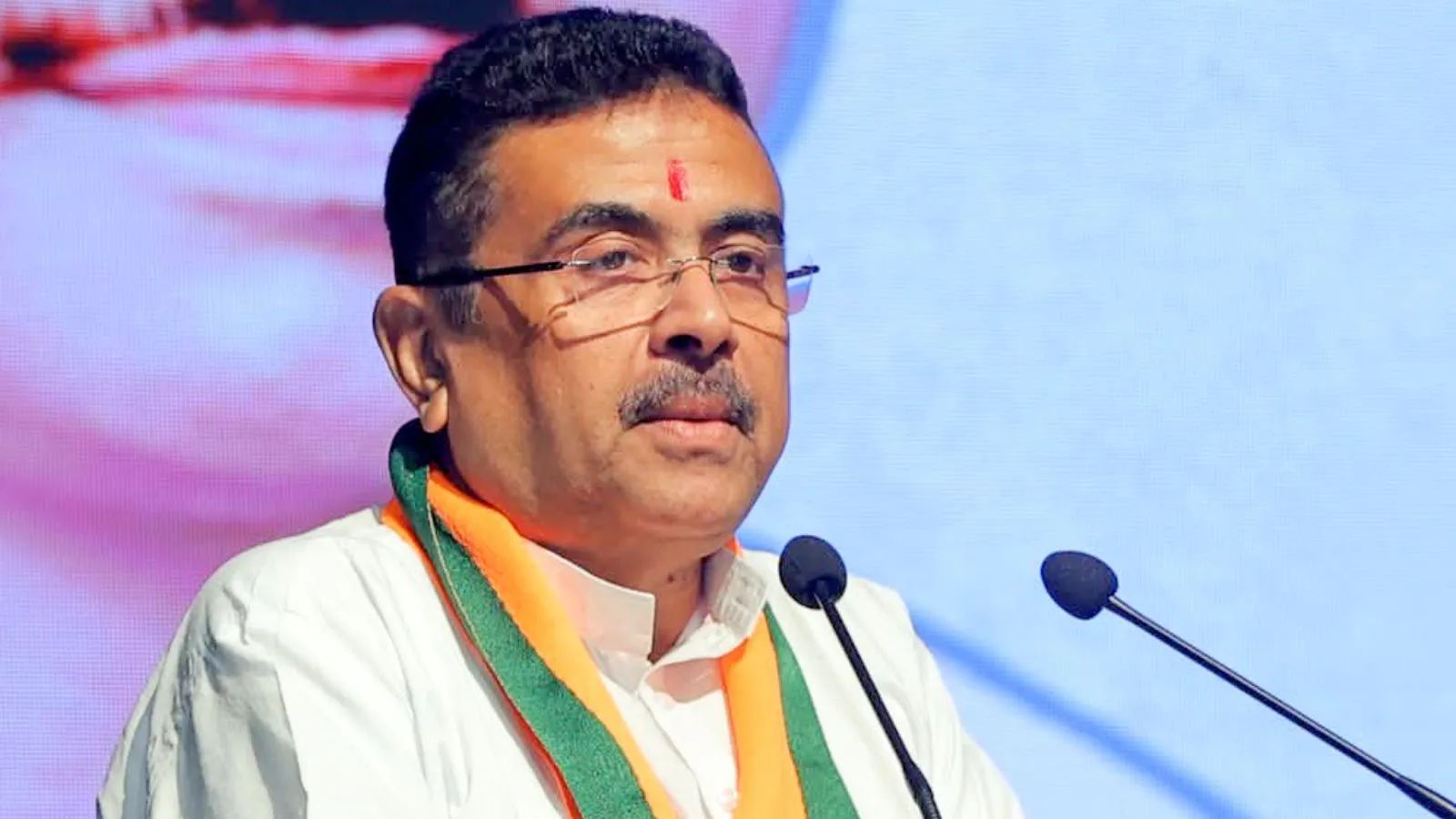
PMK chief Dr. Anbumani Ramadoss has slammed the Tamil Nadu government's decision to shut down 10 Co-optex outlets, calling it a betrayal of the handloom weaving community.
- Dr. Anbumani Ramadoss has demanded an immediate reversal of the order to close 10 Co-optex showrooms.
- He alleged that the decision undermines the livelihoods of thousands of handloom weavers.
- The PMK leader suggested modernizing the brand instead of shutting down existing outlets.
In a scathing critique of the current administration, PMK President Dr. Anbumani Ramadoss has urged the Tamil Nadu government to abandon its decision to close 10 prominent Co-optex showrooms. Highlighting the potential socio-economic fallout, he stated that these outlets, which serve as the primary market for handloom products, are vital for the survival of the weaving community.
Threat to the Weaving Ecosystem
According to the statement released by Dr. Ramadoss, the decision to shut down showrooms in key locations such as Cuddalore, Salem, Vellore, and Tirunelveli, as well as in neighboring states like Andhra Pradesh and Maharashtra, is deeply alarming. He noted that while the government cites declining sales and revenue as reasons, the real cause might be a lack of modern marketing strategies and the systematic neglect of the cooperative in favor of private interests.
The closure of Co-optex outlets is not just a business decision; it is a direct assault on the cultural heritage and economic stability of our weavers.
The Shrinking Footprint of Co-optex
Founded in 1935, Co-optex has historically been a cornerstone of the textile industry in South India. However, the data reveals a concerning downward trend in its operational capacity.
| Period | Total Showrooms | Market Reach |
|---|---|---|
| 2015-16 | 200 | India, Gulf, and Europe |
| 2025-26 | 150 | Significant Reduction |
| Current Status | 140 (Projected) | Ongoing closures imminent |
Dr. Ramadoss warned that if this pattern of downsizing continues, by the time Co-optex celebrates its centenary in 2035, the institution might be facing a permanent shutdown rather than a celebration.
Why This Matters: BozokMedia Analysis
BozokMedia analysis shows a glaring disconnect between political rhetoric and administrative action. The ruling party (TVK) had previously promised to establish 'Vetri Thari' showrooms and build an international e-commerce brand for weavers. However, closing existing, functional showrooms while promising new ones indicates a lack of strategic continuity and suggests that the government is failing to protect its own cooperative assets against private-sector competition.
Frequently Asked Questions
1. Why is the government closing Co-optex showrooms?
Reports suggest declining revenue and staff shortages are the primary reasons cited by the administration.
2. What is the impact on weavers?
The closure limits the direct market access for weavers, forcing them to rely on middlemen or private retailers.