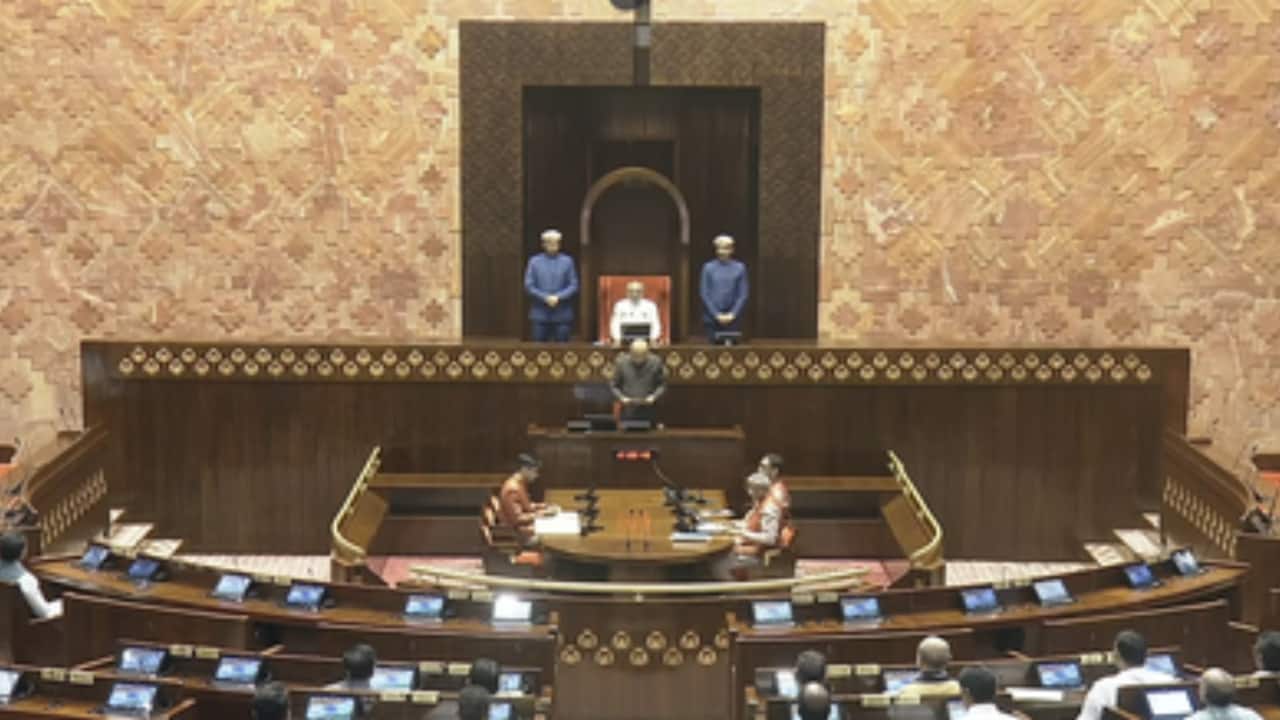
The Rajya Sabha will convene on July 20 for a packed monsoon session featuring five flagship bills aimed at expanding the Supreme Court bench, amending income‑tax rules, and easing pressures on MSMEs. Additional measures tighten birth‑and‑death registration and modernise the legislation protecting national honour.
Key Takeaways
- Supreme Court judges to increase from 33 to 37
- Income‑tax amendment aims to boost sovereign debt market
- MSME bill to address delayed payments and arbitration enforcement
The upper house of Parliament is set to begin its monsoon session on July 20, armed with a Parliamentary Bulletin that outlines five fresh pieces of legislation. These bills target the judiciary, tax regime, and the micro‑small‑medium enterprise (MSME) sector, signalling a concerted effort to modernise India’s institutional framework and stimulate economic growth.
Core Bills on the Table
The first proposal, the Income‑Tax (Amendment) Bill, 2026, replaces an existing ordinance and is crafted to invigorate India’s sovereign debt market by simplifying tax compliance for bond issuers. Closely following is the Supreme Court (Number of Judges) Amendment Bill, 2026, which seeks to raise the sanctioned strength of the apex court from 33 to 37 judges – a move intended to reduce case backlogs and improve judicial efficiency.
Birth‑Death Registration and National Honour
The Registration of Births and Deaths (Amendment) Bill, 2026 introduces stricter timelines for delayed registrations, aiming to enhance the reliability of demographic data across the country. Complementing this is the Prevention of Insults to National Honour (Amendment) Bill, 2026, which modernises penalties and enforcement mechanisms for disrespect towards national symbols.
MSME Development Bill: Easing the Burden
Perhaps the most business‑friendly proposal is the Micro, Small and Medium Enterprises Development (Amendment) Bill, 2026. It tackles chronic issues such as delayed payments, fortifies the execution of arbitration awards, and reforms the dispute‑resolution councils that assist MSMEs. Industry analysts argue that these changes could unlock significant investment and job creation in the sector.
Other Legislative Items in the Pipeline
Beyond the five headline bills, the Rajya Sabha will consider the Foreign Contribution (Regulation) Amendment Bill, 2026, pending clearance from the Lok Sabha. This amendment seeks to tighten transparency in foreign funding, updating the 2010 act. The Viksit Bharat Shiksha Adhishthan Bill, 2025 is also on the agenda, awaiting a joint parliamentary committee report and Lok Sabha approval. Its purpose is to grant greater autonomy to higher‑education institutions while raising standards of teaching, research, and innovation.
Financially, the session will address the Appropriation Bill for Excess Grants relating to the 2022‑23 fiscal year, ensuring that surplus allocations are properly accounted for.
Collectively, these measures aim to reinforce democratic institutions, streamline fiscal policy, and provide tangible relief to India’s burgeoning MSME landscape, positioning the country for a more resilient and inclusive growth trajectory.