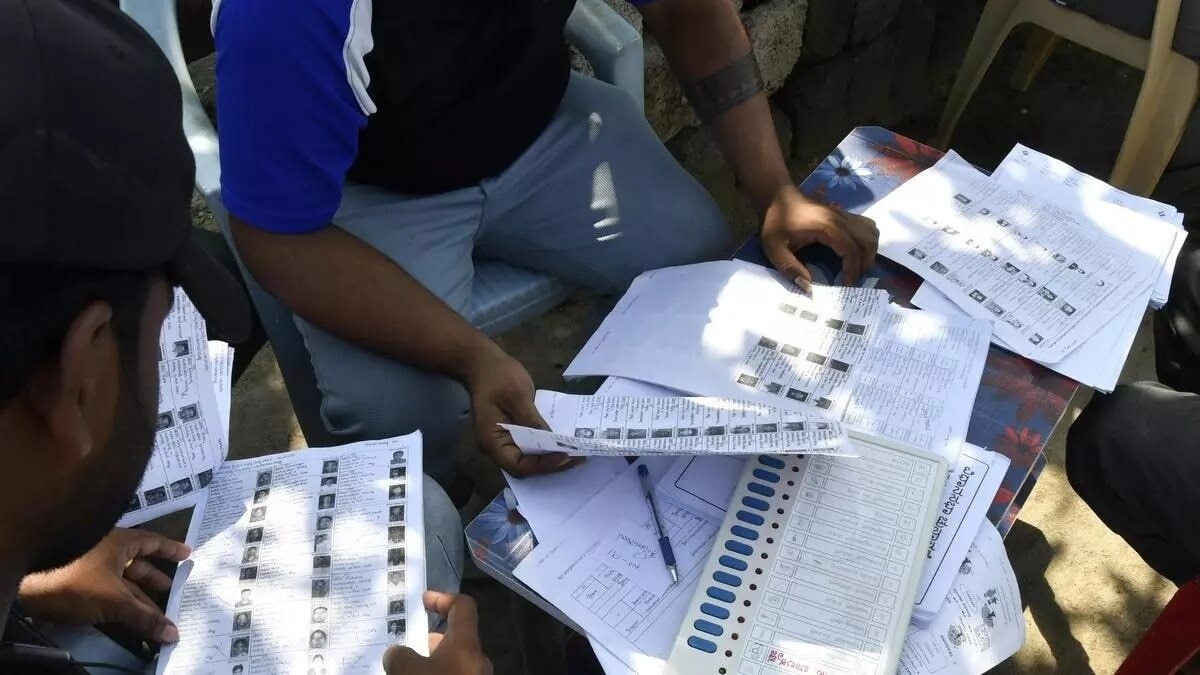
A major overhaul of the Telangana electoral rolls has resulted in the removal of 73 lakh names, while 92 lakh others face scrutiny due to discrepancies.
- 73 lakh names categorized under ASDD (Absent, Shifted, Dead, or Duplicate).
- 92 lakh electors to receive notices regarding anomalies or lack of links to 2002 rolls.
- Claims and objections window: August 17 to September 16.
- Final electoral roll publication date: October 19.
In a massive administrative sweep, the draft electoral rolls for Telangana have been released, revealing the exclusion of approximately 73 lakh names. This significant update comes as a result of the Special Intensive Revision (SIR) exercise conducted between June 25 and August 10, aimed at purifying the state's voter database.
According to Chief Electoral Officer C Sudharshan Reddy, as of August 10, Telangana had 3,38,26,448 registered electors. Out of these, 2,64,87,213 individuals had successfully submitted their Enumeration Forms. During the verification process, authorities identified roughly 73 lakh entries that fell into the ASDD category—representing voters who are Absent, Shifted, Dead, or Duplicate entries.
Why This Matters
BozokMedia analysis shows that while such large-scale deletions are crucial for preventing electoral fraud and ensuring a clean roll, the sheer volume of notices being issued—92 lakh in total—could lead to significant administrative bottlenecks and potential disenfranchisement if not managed with extreme precision.
The integrity of the democratic process depends on an accurate voter list, but the speed of deletion must never compromise the right to be heard.
Beyond the deletions, the scale of scrutiny is immense. Approximately 92 lakh electors are slated to receive notices. This includes 60 lakh voters flagged for 'anomalies' and 32 lakh 'unmapped' voters whose data could not be reconciled with the historical 2002 electoral rolls. These voters will be required to provide supporting documentation during the hearing process to validate their status.
Historical Background
Electoral roll revision in India is a rigorous, statutory process governed by the Representation of the People Act. Periodic intensive revisions are conducted to account for migration, mortality, and the influx of new adult voters, ensuring that the democratic machinery operates on accurate, real-time data.
Eligible voters whose names have been omitted can rectify this by submitting Form 6 during the claims and objections period, which runs from August 17 to September 16. The legal framework provides a clear hierarchy for appeals: aggrieved voters can approach the District Magistrate within 15 days, and subsequently, the Chief Electoral Officer within 30 days.
Frequently Asked Questions
Question 1: How can I check if my name is still on the voter list?
Answer: You can check the newly released draft rolls through the official State Election Commission portal.
Question 2: What happens if I receive a notice regarding my voter status?
Answer: You must present the required documents specified on your Enumeration Form during the scheduled hearing process.