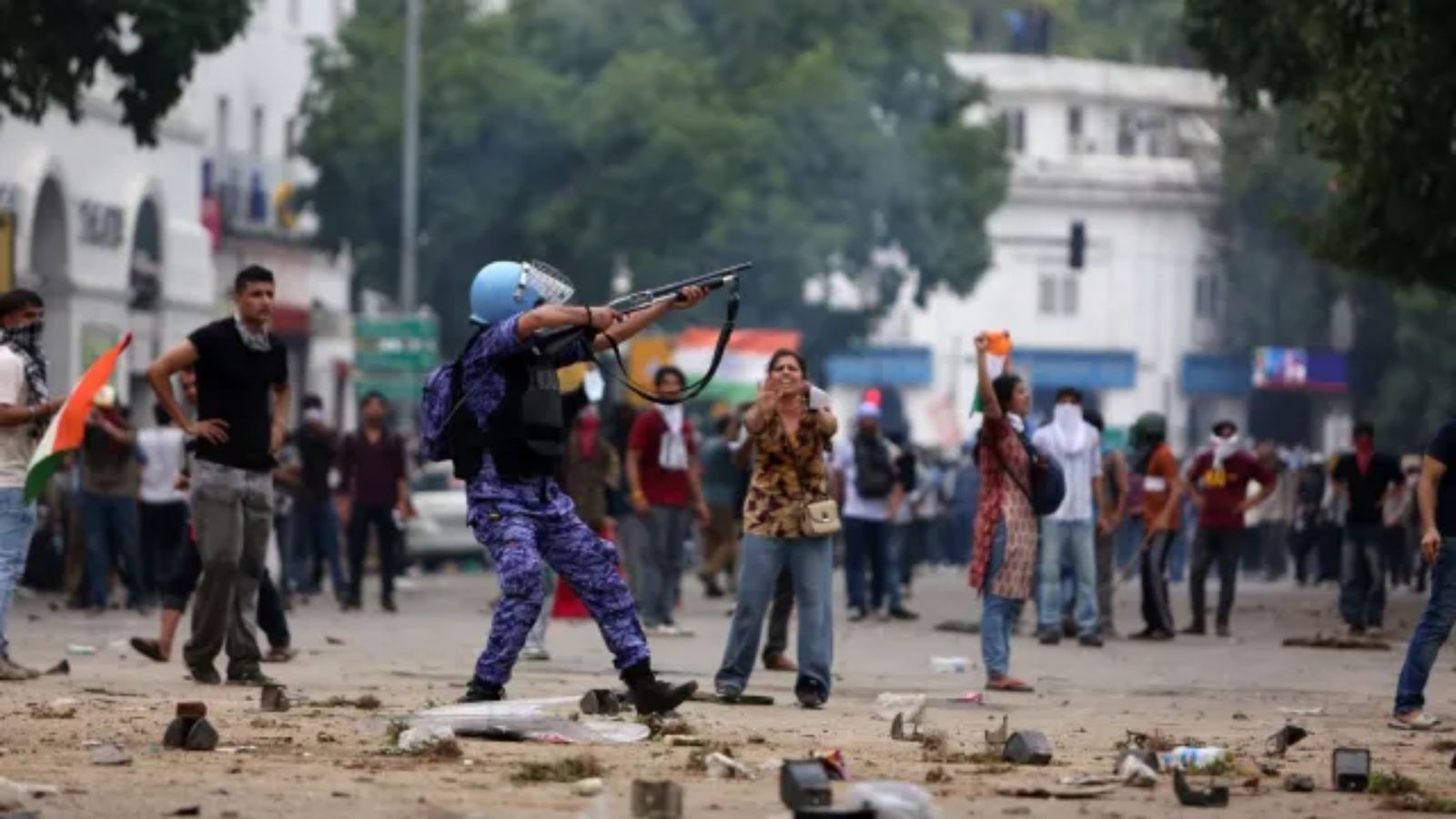
In response to escalating student protests and communal tensions, Bihar Police is launching the District Anti-Riot Force (DARF) featuring videography and medical support units.
- Bihar Police is establishing District Anti-Riot Forces (DARF) at district and sub-divisional levels.
- Units will feature videography personnel, medical/ambulance support, and lathi squads.
- A strict 20-minute response time has been mandated for riot alerts.
- The state is divided into three categories for resource allocation, with Patna receiving the highest deployment.
Following the intense wave of student-led protests over NEET paper leaks and recruitment issues, the Bihar Police Headquarters has announced a significant restructuring of its crowd control capabilities. The state is set to introduce the District Anti-Riot Force (DARF), a specialized unit designed to manage communal tensions, violent protests, and attacks on public property with greater precision and documentation.
The composition of these units marks a shift toward modern policing. Unlike traditional riot control, each DARF company will consist of three platoons, each equipped with 47 personnel, wireless operators, and specialized videography and documentation teams. This emphasis on video evidence is intended to ensure accountability and provide a clear record of police actions during volatile encounters.
Why This Matters
BozokMedia analysis shows that the decision comes on the heels of violent escalations where 91 police personnel were injured and numerous vehicles were damaged during protests in July. With over 2,500 riot cases reported in Bihar in 2025, the state faces a critical need for a specialized, rapid-response mechanism that balances force with documentation.
Integrating videography and medical support into riot control units transforms the police response from mere containment to a highly documented and medically prepared operation.
Logistically, the deployment follows a tiered structure. Patna, being the administrative hub, will be prioritized with three companies and 18 vehicles. Major districts such as Gaya, Muzaffarpur, and Bhagalpur will receive two companies each, while 22 districts under Category B will receive one company. The goal is to ensure that no district is left vulnerable to sudden outbreaks of violence.
Operational efficiency is a cornerstone of this new plan. A mandatory 20-minute response time has been set from the moment a district control room issues an alert. To maintain high standards, selected trainers will undergo advanced courses at the Rapid Action Force Academy in Meerut before cascading this knowledge to district-level personnel.
| Category | Districts (Examples) | Resource Allocation |
|---|---|---|
| Category A | Patna, Gaya, Muzaffarpur | 2-3 Companies & High Vehicle Count |
| Category B | Nalanda, Jehanabad, Purnia | 1 Company & 6 Vehicles |
| Category C | Arwal, Sheohar, Bagaha | 1 Platoon & 2 Vehicles |
Frequently Asked Questions
1. What makes the DARF different from regular police units?
DARF is specialized with integrated medical support, videography teams, and a mandatory 20-minute response protocol.
2. How will the personnel be trained?
Personnel will undergo specialized training at district centers, with trainers being certified at the Rapid Action Force Academy in Meerut.