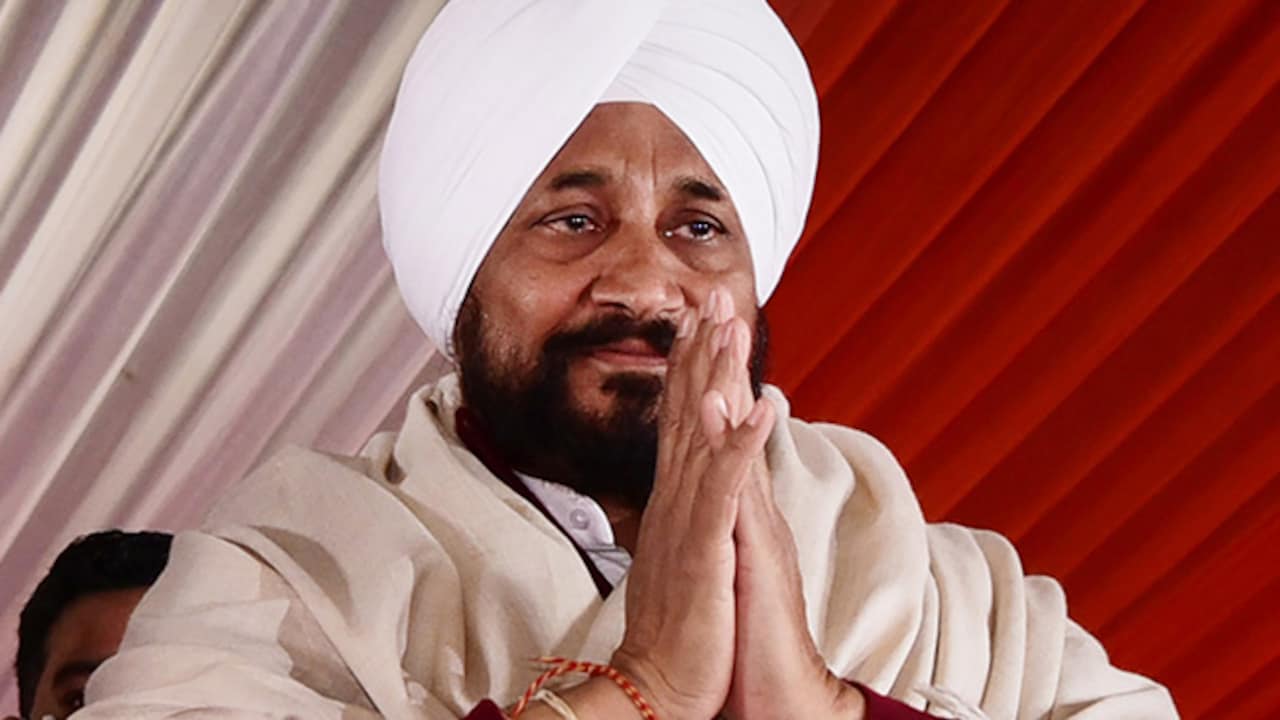
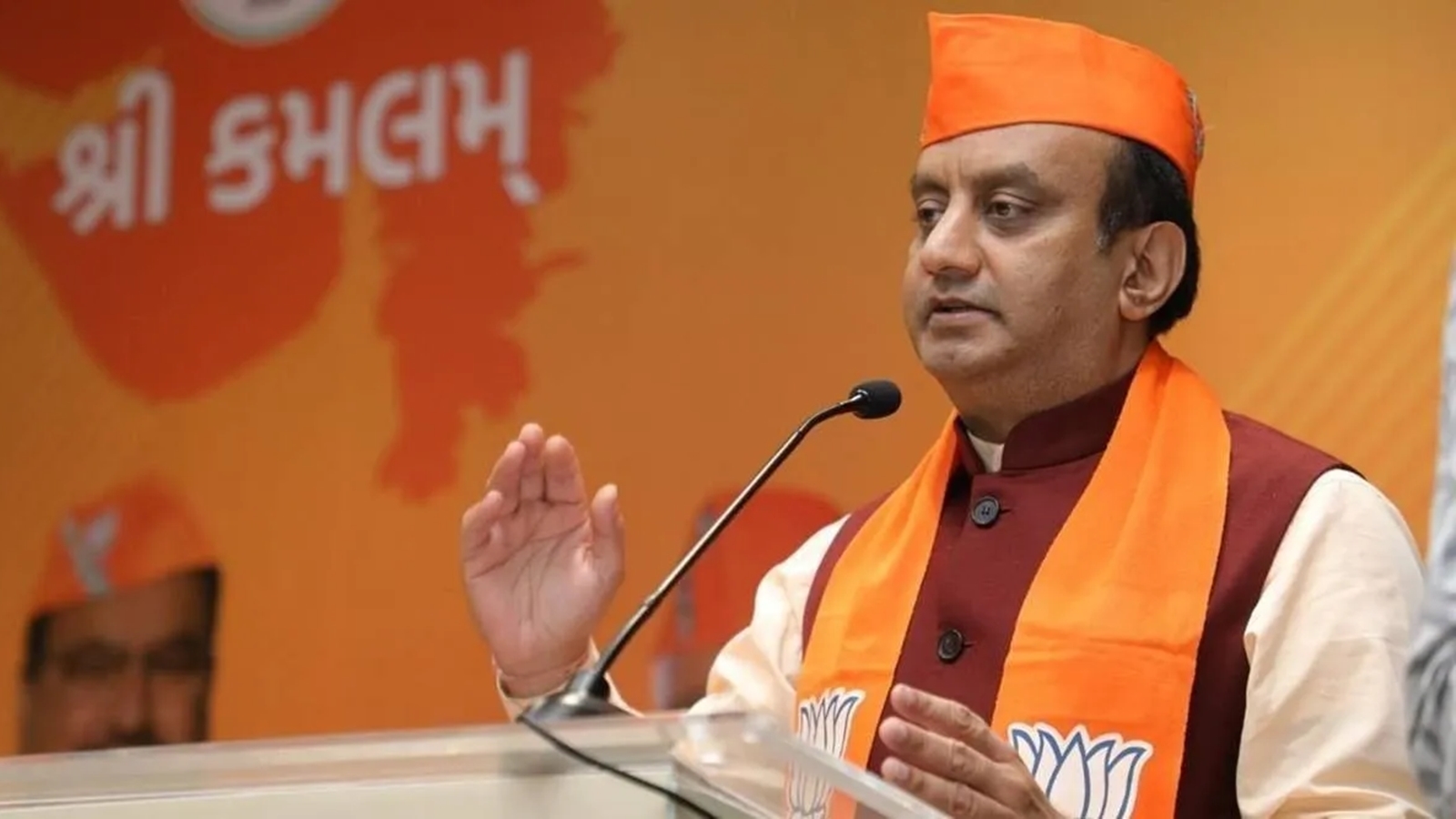
Congress leader K.C. Venugopal has clarified that the party will only sing the first two stanzas of Vande Mataram. This comes amid heavy criticism from the BJP accusing the party of disrespecting national symbols.
- Congress will strictly adhere to singing only the first two stanzas of Vande Mataram.
- BJP has accused the Congress party of disrespecting national sentiments in Goa and elsewhere.
- Congress maintains it is following the historically accepted 1937 version.
In a significant clarification regarding the ongoing controversy over national symbols, Congress General Secretary K.C. Venugopal stated that the Congress party’s official stance is to sing only the first two stanzas of Vande Mataram. This move aims to end the ambiguity following intense criticism from the BJP.
The political row escalated after the BJP accused the Congress of showing disrespect toward Vande Mataram during various events. However, the Congress leadership has hit back, claiming that the BJP is attempting to manufacture a communal divide by weaponizing a national song. The party asserts that its practice is rooted in the 1937 version of the hymn.
Why This Matters
BozokMedia analysis shows that the debate over Vande Mataram is less about the song itself and more about the battle for 'cultural hegemony' in Indian politics. By contesting the interpretation of national symbols, political parties are engaging in a high-stakes game of identity politics that resonates deeply with the electorate.
The strategic use of nationalistic symbols often serves as a potent tool to divert public attention from economic and governance issues.
The Maharashtra Congress chief further added that the BJP lacks substantive policy issues and is instead trying to revive the Hindu-Muslim divide. Meanwhile, Congress President Mallikarjun Kharge has challenged the BJP, suggesting that if there is an issue with the song, they should target the legacy of leaders like Mahatma Gandhi and Jawaharlal Nehru instead.
Historically, Vande Mataram served as a rallying cry during the Indian independence movement. While it remains a source of immense pride, the varying versions and the political connotations of specific stanzas have made it a flashpoint in modern Indian discourse. Congress's decision to stick to the 1937 version is seen as an attempt to maintain a consistent historical narrative.
Frequently Asked Questions
Question 1: Why is Congress only singing two stanzas?
Answer: Congress states they are following the 1937 version, which traditionally includes only the first two stanzas.
Question 2: What is the BJP's main allegation?
Answer: The BJP alleges that by not singing the full version, Congress is showing a lack of respect for the national song.