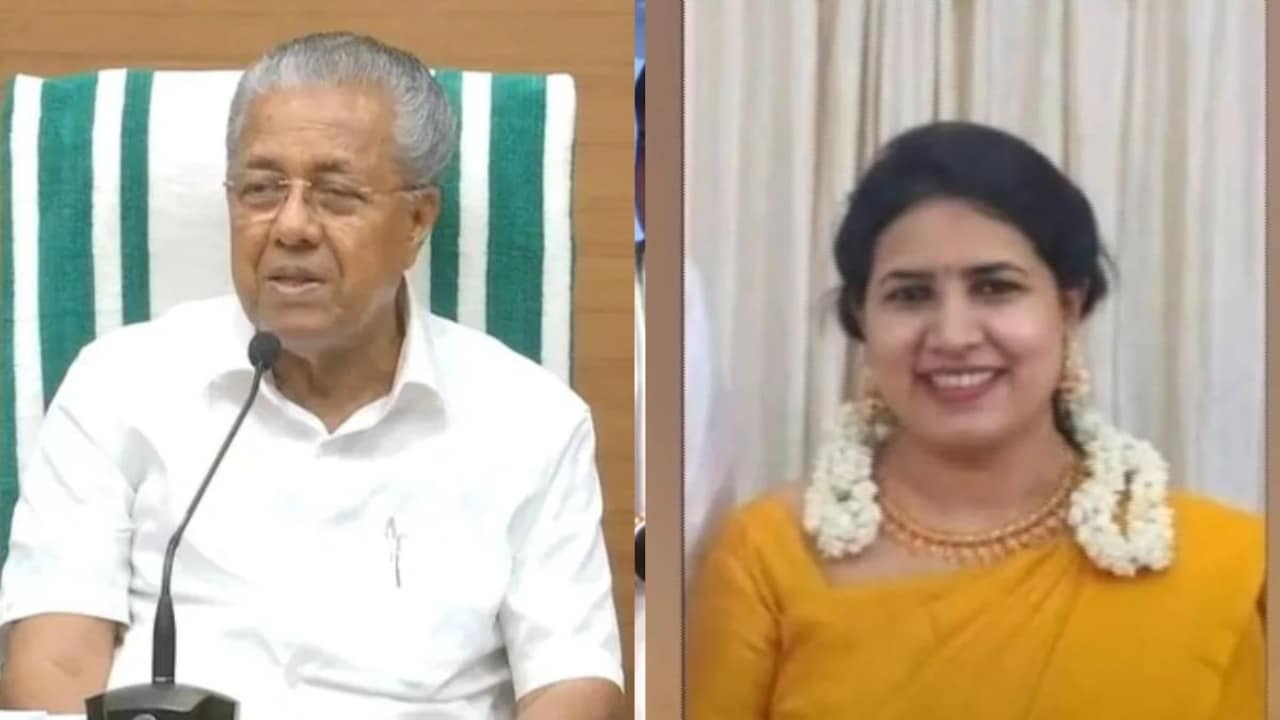
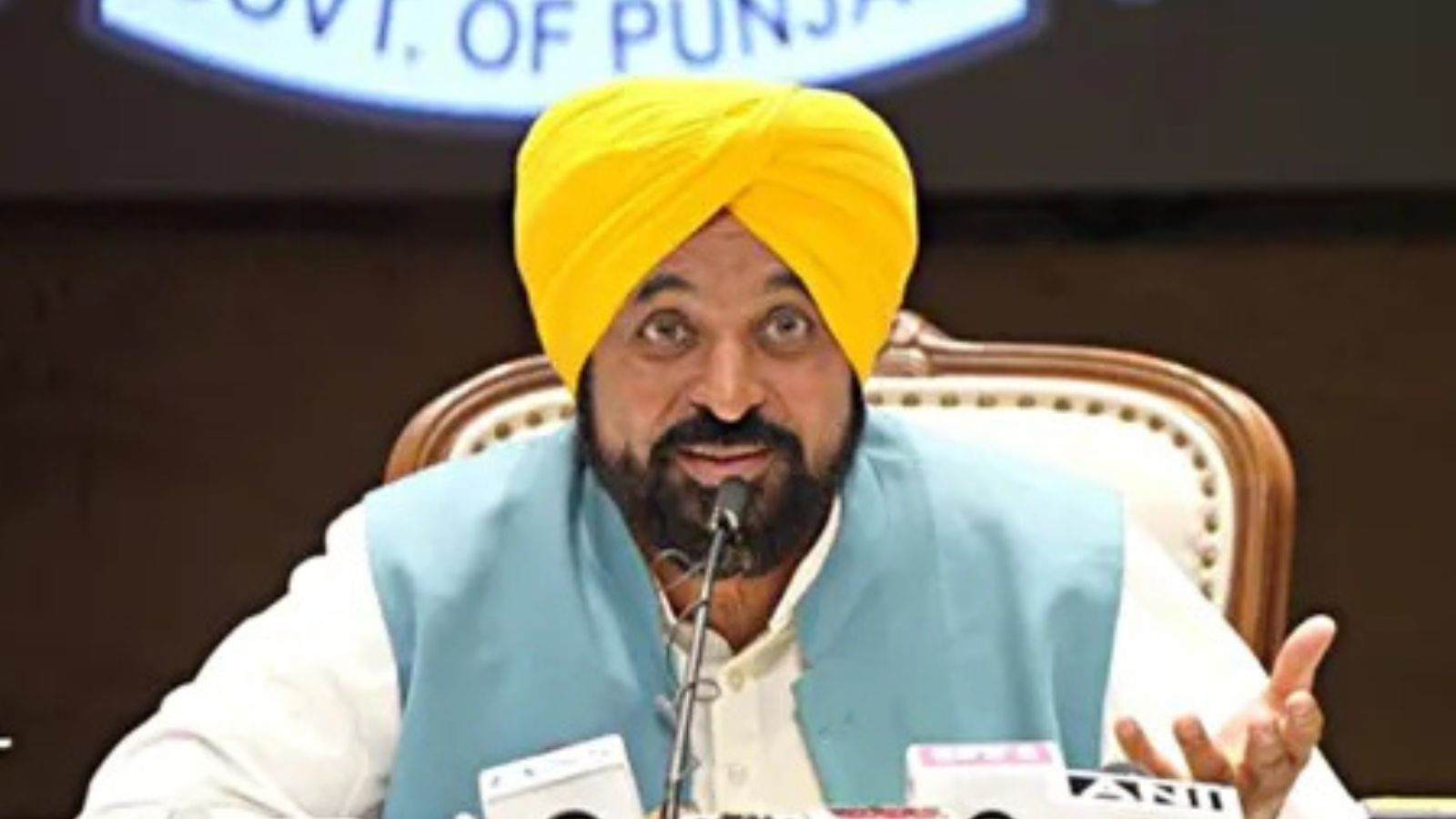
The Congress Working Committee (CWC) concluded a high-level meeting where key resolutions were passed regarding the singing of Vande Mataram and future organizational strategies. 88 leaders participated in the crucial deliberations.
- Congress passed a resolution to sing only two stanzas of Vande Mataram, citing a 1937 decision.
- A total of 88 senior leaders attended the CWC meeting to discuss strategic roadmaps.
- The BJP launched a counter-attack, labeling the Congress stance as regressive.
In a significant move, the Congress Working Committee (CWC) has formalized its stance on the singing of the patriotic song 'Vande Mataram'. During a high-stakes meeting attended by 88 top leaders, the party resolved to adhere to the 1937 protocol, which involves singing only two specific stanzas of the hymn.
The Vande Mataram Controversy
General Secretary K.C. Venugopal defended the decision, stating that the party will continue to follow its long-standing traditions. This move comes amidst intense political pressure and debates regarding cultural symbols in Indian politics. The Congress maintains that its stance is rooted in historical precedent rather than a reaction to current political trends.
Why This Matters
BozokMedia analysis shows that this decision is a calculated attempt by the Congress to navigate the complex waters of cultural nationalism. By sticking to the 1937 decision, the party seeks to preserve its secular identity while attempting to mitigate criticism from the ruling Bharatiya Janata Party (BJP).
The Congress's decision on Vande Mataram represents an attempt to balance historical institutional memory with modern political survival.
During the session, Rahul Gandhi addressed the gathering, emphasizing the need for unity among opposition forces and citing the Trinamool Congress (TMC) as a model for political resilience. Out of the 88 attendees, 33 leaders provided detailed insights and strategic suggestions for the upcoming electoral battles.
Historical Background
The reference to 1937 is crucial, as it points back to the era of the Indian freedom struggle when the Congress was navigating diverse cultural and religious sentiments within its ranks. This historical anchor is being used by the current leadership to justify their contemporary policy decisions.
Frequently Asked Questions
Question 1: What was the main outcome of the CWC meeting?
Answer: The primary outcome was the passing of a resolution regarding the singing of Vande Mataram and discussing party strengthening.
Question 2: How many leaders participated in the CWC meeting?
Answer: A total of 88 leaders participated in the high-level meeting.