Following the Jharkhand government's decision to scrap 22 recruitment exams, successful candidates have moved the High Court. The legal battle covers JPSC and Food Safety Officer exams, sparking massive uncertainty among aspirants.
- The Jharkhand government cancelled 22 recruitment exams following protests and investigation reports.
- Successful candidates have filed three petitions in the Jharkhand High Court challenging the decision.
- Key exams involved include JPSC (11th to 13th) and Food Safety Officer recruitment.
- Protests are occurring in Ranchi from two opposing sides: those demanding cancellation and those fearing job loss.
The state of Jharkhand is currently witnessing a profound administrative and legal crisis. In a sweeping move aimed at addressing long-standing allegations of corruption, the state government has cancelled 22 different recruitment examinations. This decision, prompted by intense student protests and reports from investigative agencies like the CID and SIT, has now triggered a massive legal backlash from the very candidates who successfully cleared these exams.
The battle has now reached the Jharkhand High Court, where three separate petitions have been filed. The most significant of these challenges pertains to the cancellation of the JPSC (Jharkhand Public Service Commission) 11th to 13th examinations. Additionally, petitions have been submitted regarding the cancellation of the Food Safety Officer recruitment exam. The petitioners argue that the government's decision is arbitrary and one-sided, directly jeopardizing the careers and livelihoods of thousands of individuals.
Why This Matters
BozokMedia analysis shows that this situation highlights the massive administrative challenge in cleaning up recruitment processes without penalizing legitimate candidates. The state government is caught in a 'between a rock and a hard place' scenario—trying to satisfy protesters demanding transparency while simultaneously facing legal battles from those who have already cleared the exams and are now facing job loss.
The struggle between ensuring recruitment transparency and protecting the rights of successful candidates will set a critical legal precedent for Jharkhand's future.
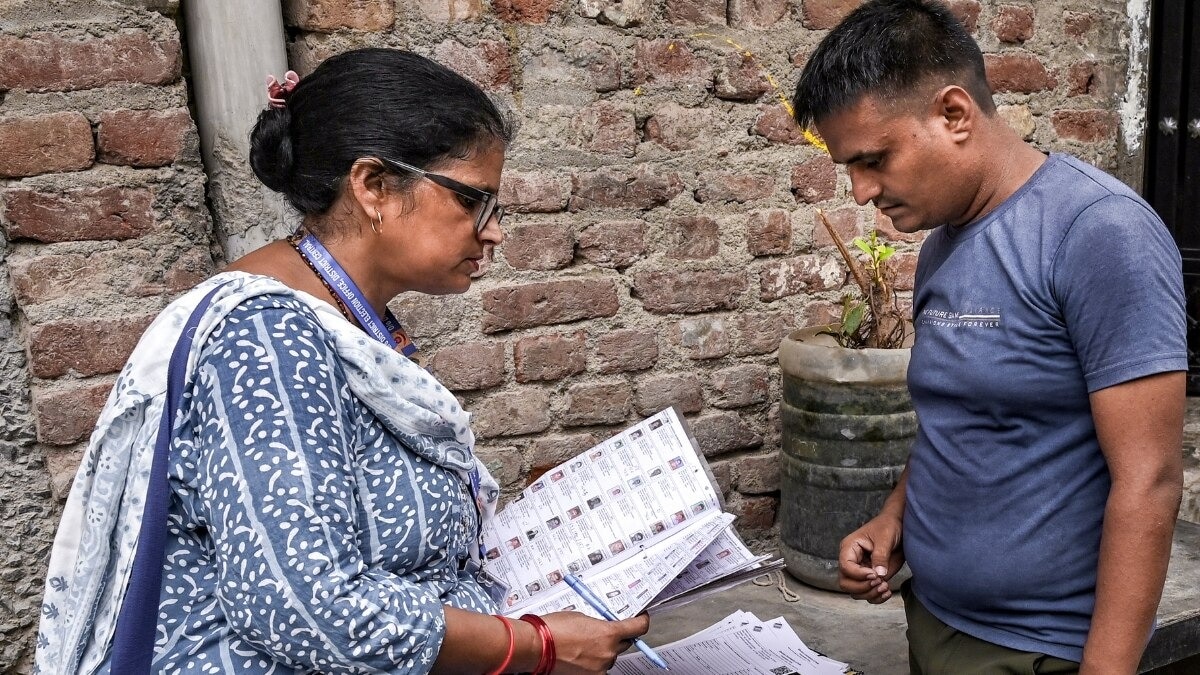
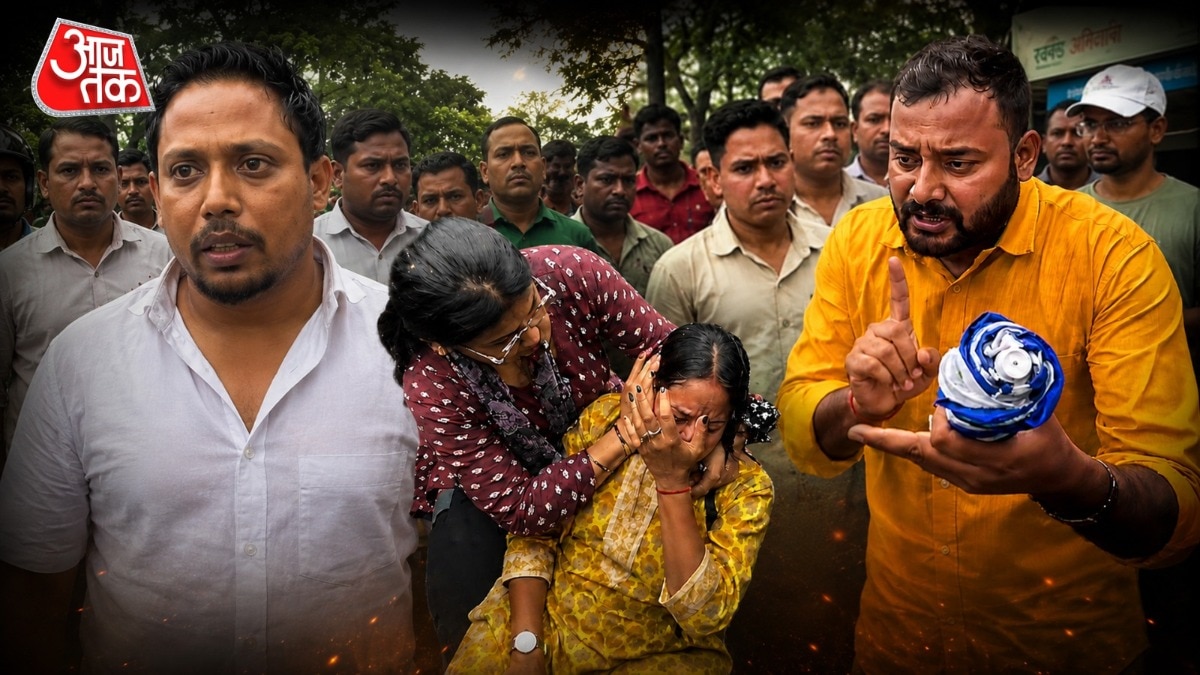
The atmosphere in Ranchi is currently charged with tension as two distinct groups are protesting. On one side are the activists who have been campaigning for nearly 25 days to expose irregularities in the exams. On the other side are the newly selected candidates, including those from the JSSC-CGL, who are protesting outside the Project Bhavan and Secretariat. They fear that the government's sweeping cancellation policy might eventually invalidate their hard-earned appointments.
Many candidates have shared harrowing stories, stating that they accepted these positions only after following previous High Court orders. Some have even resigned from prestigious central government roles or private sector jobs to join the state services. Now, faced with the sudden threat of losing everything, they are demanding written orders and seeking judicial intervention to secure their futures.
Historical Background
Recruitment irregularities have been a recurring theme in Jharkhand's political landscape. Recent months saw a surge in student-led movements demanding systemic reforms. This pressure forced the government to initiate probes via the CID and SIT. While these investigations uncovered alleged malpractices, the resulting decision to cancel dozens of exams has transformed a quest for integrity into a complex legal and social standoff.
Frequently Asked Questions
1. Why have the candidates approached the High Court?
Candidates believe the government's decision to cancel 22 exams is unilateral and unfair, and they seek legal protection for their careers.
2. What was the basis for the government's decision?
The government cited findings from CID and SIT investigations into alleged irregularities following prolonged student protests.