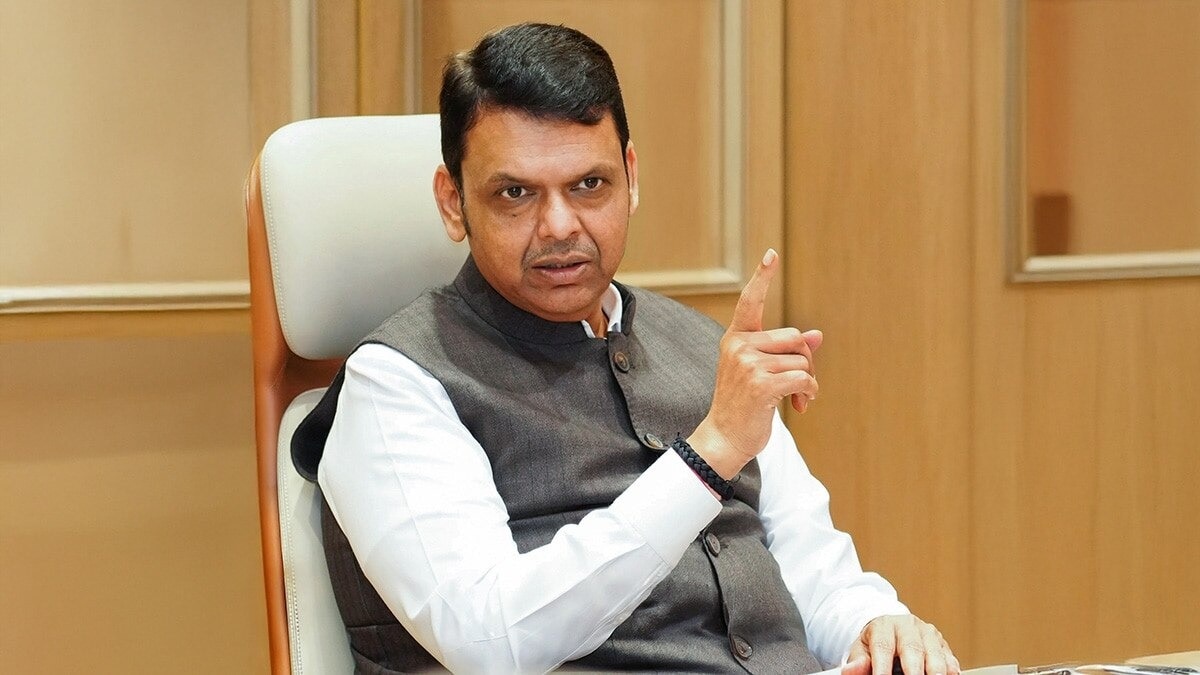
The newly notified 'Maharashtra Government Rules of Business, 2026' grants CM Devendra Fadnavis the explicit authority to override ministerial decisions in the public interest.
- CM can now review, modify, or overturn decisions made by cabinet ministers.
- Direct access to departmental files is legally guaranteed for the CM.
- Mandatory written justification is required for any decision overrides.
- The move centralizes command, potentially impacting coalition dynamics.
In a landmark shift in Maharashtra's governance, the state government has introduced the 'Maharashtra Government Rules of Business, 2026'. These updated guidelines grant Chief Minister Devendra Fadnavis unprecedented authority to oversee and, if necessary, reverse decisions made by individual cabinet ministers and state departments.
Under this new legal framework, the Chief Minister is empowered to modify or overturn any decision taken by a portfolio minister, provided it is deemed necessary for the larger public interest. To prevent arbitrary use of power, the rules mandate that the CM must record specific, written reasons for any such intervention.
A New Command Structure
While departmental ministers will continue to manage day-to-day operations, the CM's oversight has been significantly strengthened. The new regulations allow the Chief Minister to request any official document, paper, or file directly from any department. Crucially, departmental secretaries and ministers are now legally obligated to present these documents to the CM's office without delay.
This amendment effectively shifts the center of gravity from departmental autonomy to centralized executive control under the CM.
Why This Matters
BozokMedia analysis shows that while these rules aim to streamline decision-making and prevent policy deadlocks, they carry significant political implications. Within the Mahayuti coalition, this centralized command structure could lead to friction. Alliance partners may view the CM's ability to veto departmental decisions as an erosion of their administrative weight and political autonomy.
Comparison: Old vs. New Rules
| Feature | Previous Rules | 2026 Amendment |
|---|---|---|
| Ministerial Autonomy | High (Portfolio ministers held final authority) | Reduced (CM can override decisions) |
| CM File Access | Indirect/Limited | Direct and Immediate |
| Legal Standing | Ambiguous (Highlighted by 2022 HC judgment) | Explicit and Clear |
Historically, the lack of explicit authority for the CM to unilaterally modify ministerial decisions was a point of legal contention, notably highlighted by a Bombay High Court judgment in 2022. The 2026 rules effectively close this legal loophole, providing a clear line of command.
Frequently Asked Questions
1. Can the CM change a decision just because they want to?
No, the CM must record specific reasons in writing to ensure transparency and public interest.
2. How does this affect coalition partners?
It may create tension, as ministers from different parties might feel their departmental control is being undermined by the CM's oversight.