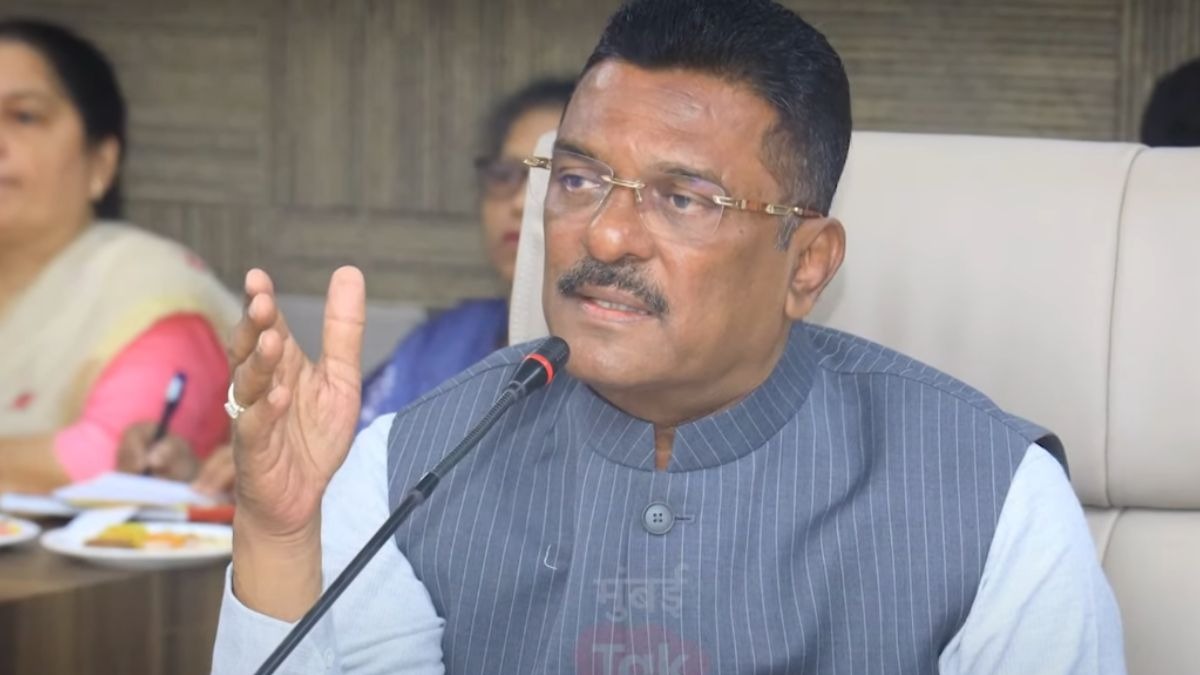
Maharashtra Transport Minister Pratap Sarnaik has announced that auto and taxi drivers refusing to learn Marathi face license suspension or permanent cancellation. New verification rules for driver badges are now in effect.
- Drivers refusing to learn Marathi face a 3-month suspension or permanent license cancellation.
- A mandatory Marathi proficiency test is now required to obtain driver badges.
- RTO 'Vayuveg' squads will conduct surprise inspections with video recording.
- A Special Investigation Team (SIT) will audit commercial vehicle permits.
In a decisive move to promote the state's official language, Maharashtra Transport Minister Pratap Sarnaik has issued a high-stakes warning to the commercial driving community. Auto-rickshaw and taxi drivers who demonstrate a refusal to learn Marathi may face the suspension or outright cancellation of their driving licenses. The government has signaled that it will no longer tolerate defiance, especially from those using social media to challenge state authorities.
The enforcement strategy follows a structured disciplinary ladder. Drivers who fail to comply with the linguistic directives will first receive a one-month notice period. If the refusal persists, their licenses will be suspended for three months. For those who continue to defy the mandate after the suspension, the state will move toward permanent license cancellation.
Why This Matters
BozokMedia analysis shows that this policy is part of a broader effort to integrate linguistic identity with commercial operations in Maharashtra. While the administration maintains that Mumbai remains an open economy for migrants, the emphasis on Marathi is seen as a push to preserve the state's cultural and administrative fabric. This move effectively links professional legitimacy to linguistic competence.
The integration of language proficiency into commercial licensing is a significant step toward cultural standardization in the state.
The implications extend beyond just the driving license. From this week, the process of obtaining a 'Driver Badge'—a secondary requirement for commercial operators—will include a verbal Marathi assessment. Officials will directly verify a driver's ability to communicate in the local language before issuing the credentials.
Historical Context and Implementation
This crackdown follows an intensive 105-day state-led campaign aimed at linguistic integration. Between May 1 and August 15, the government provided a 100-day window for drivers to acquire basic Marathi skills. According to Minister Sarnaik, the initiative has already seen success, with approximately 1.65 lakh drivers earning certificates of proficiency.
To ensure compliance on the ground, the RTO's 'Vayuveg' squads will conduct random, video-recorded inspections. Furthermore, the Transport Department is establishing a Special Investigation Team (SIT) to scrutinize the validity of existing auto-rickshaw and taxi permits, ensuring that all commercial operators are operating within the strict legal framework of the state.
Frequently Asked Questions
1. What is the penalty for refusing to learn Marathi?
The penalty starts with a one-month notice, followed by a three-month license suspension, and potentially permanent cancellation.
2. How will the government monitor compliance on the streets?
The RTO will deploy 'Vayuveg' squads to conduct surprise inspections, which will be documented via video recording.