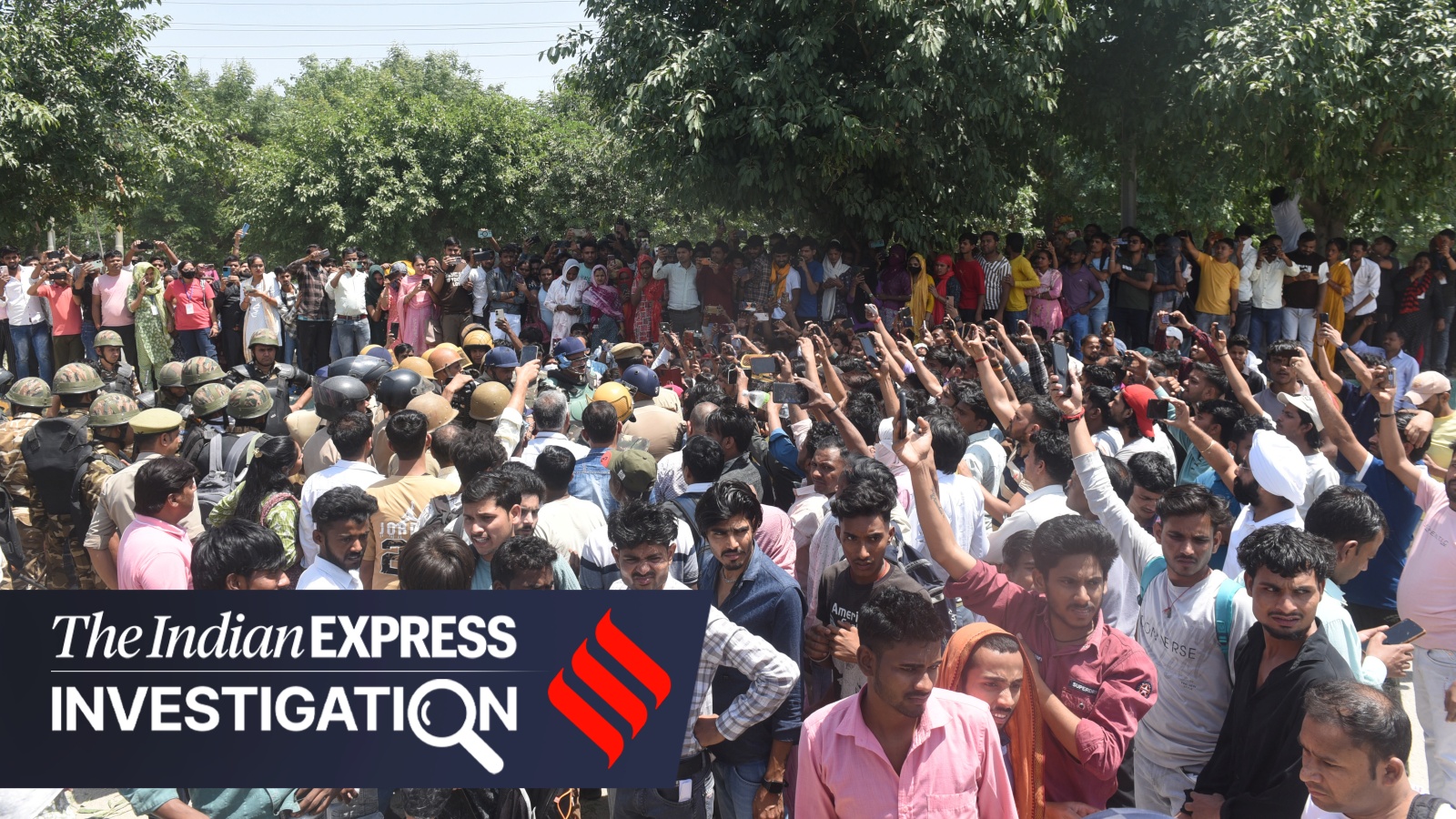
Authorities have denied bail to several key figures in the Noida labor protests, invoking the draconian National Security Act (NSA). Allegations of conspiracy, radical literature, and digital mobilization are at the heart of the legal battle.
The legal aftermath of the Noida labor protests has taken a severe turn. While the majority of those arrested have secured bail, a specific group of individuals remains incarcerated. The common denominator in their denial of relief is the prosecution's allegation of playing a central role in a pre-planned conspiracy.
In a significant escalation, the Uttar Pradesh government has invoked the National Security Act (NSA) against 60-year-old former journalist Satyam Verma and 25-year-old Delhi University graduate Aakriti Chaudhary. The NSA is a stringent law that allows for detention without trial for up to one year, a move that has sparked intense debate regarding civil liberties.
Why This Matters
BozokMedia analysis shows that the state is shifting its strategy from treating these incidents as mere civil unrest to viewing them through the lens of national security. By citing ideological affiliations and specific literature, the prosecution is attempting to link local labor grievances to broader, more radical movements.
The use of preventive detention laws in cases of social activism raises profound questions about the boundary between dissent and criminality.
For Satyam Verma, the police allege he used his publication, 'Mazdoor Bigul', to incite the younger generation. For Aakriti Chaudhary, the authorities pointed to her alleged membership in the RWPI and the recovery of the book 'Great Martyrs of the Indian Revolution' as evidence of a violent intent. Her defense, however, maintains she is a meritorious student and social worker with no criminal history.
Other activists, including Aditya Anand and Manisha Chauhan, also face legal hurdles. In Anand's case, the court highlighted his role as an administrator of a WhatsApp group allegedly used to facilitate violence, whereas Chauhan's defense argues that participation in a protest is a constitutionally protected right.
Historical Background
The National Security Act (NSA) has long been a subject of scrutiny by human rights organizations. While intended to protect the state from internal and external threats, its application in cases involving political or social activism remains a highly contentious issue in Indian jurisprudence.
Frequently Asked Questions
1. What is the difference between regular arrest and NSA detention?
A regular arrest requires a trial and specific charges, whereas NSA allows for preventive detention without immediate trial to maintain public order.
2. What were the triggers for the Noida protests?
The protests were primarily driven by factory workers demanding higher wages and better working conditions in the industrial belt.