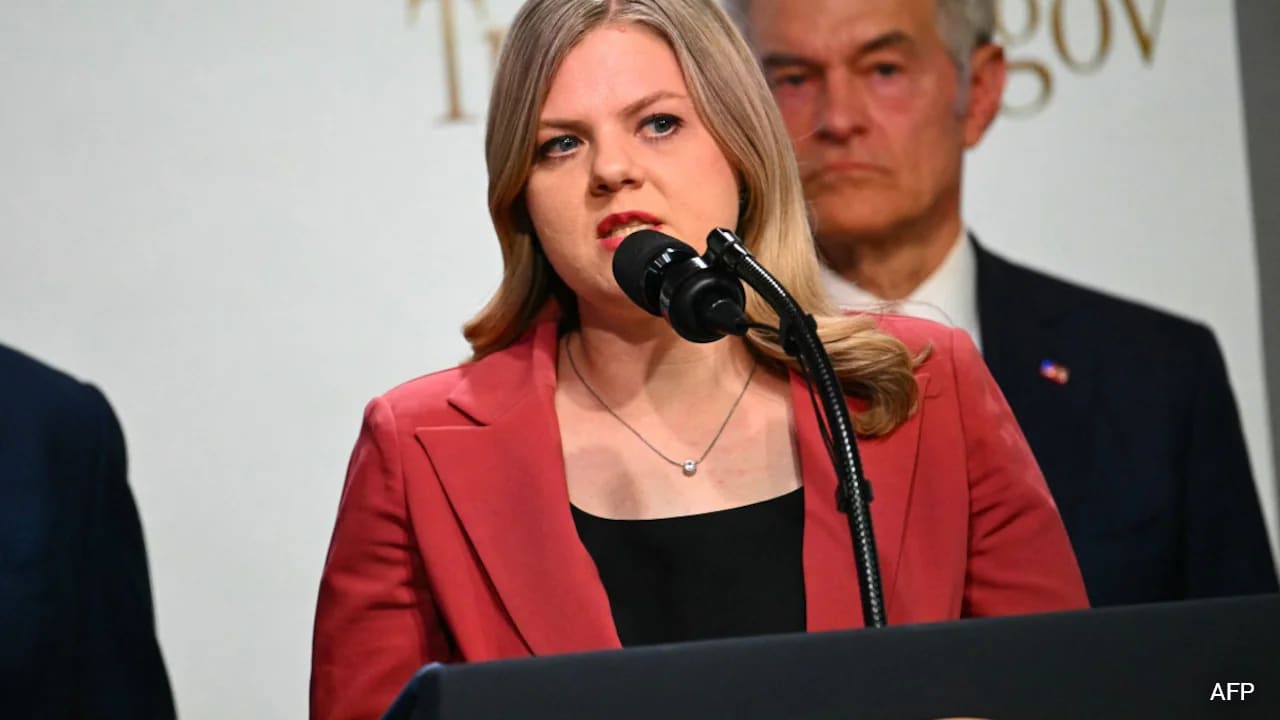
Amidst intense political instability, reports suggest a new 'Power Plan' is being formulated in Pakistan, potentially placing General Asim Munir at the helm of governance. Could this lead to constitutional changes or presidential rule?
- Emerging reports of General Asim Munir's expanding political influence in Pakistan.
- Speculation regarding constitutional amendments and the potential imposition of presidential rule.
- Worsening security and administrative grip in provinces like Balochistan and KP.
Pakistan is currently navigating through one of its most turbulent political eras. Recent intelligence and political reports suggest the emergence of a strategic 'Power Plan', with Army Chief General Asim Munir positioned as the central figure. The core question looming over Islamabad is whether the country is moving toward a system where military oversight becomes the primary driver of governance.
The political landscape is fraught with tension as calls for a 'System Reset' gain momentum. Following statements by Interior Minister Mohsin Naqvi regarding the fragility of the current system, analysts suggest that the civilian administrative machinery is facing an unprecedented collapse, creating a vacuum that the military is expected to fill.
Why This Matters
BozokMedia analysis shows that a shift in Pakistan's power structure could have profound implications for regional stability in South Asia. Any significant amendment to the Constitution of Pakistan to accommodate this new power dynamic would redefine the democratic framework of the nation for decades to come.
The shift of power from parliamentary institutions to military command centers appears to be a defining moment for Pakistan's sovereignty.
Reports from the ground indicate that the government's authority is eroding rapidly from Khyber Pakhtunkhwa to Balochistan. This loss of control in volatile provinces adds weight to the argument that a centralized, military-led intervention may be viewed by some as the only way to prevent total state collapse.
Historical Background
Pakistan has a long-standing history of military interventions. Since its inception, the country has seen several coups and periods of martial law, most notably in 1958, 1977, and 1999. These historical precedents suggest that when civilian institutions fail to manage economic and social crises, the military often steps in to restore order, albeit at the cost of democratic norms.
Frequently Asked Questions
1. Is there an official announcement regarding presidential rule?
No, there is currently no official announcement, but political speculation is at an all-time high.
2. How would a constitutional change affect the citizens?
Constitutional changes could alter the balance of power between the civilian government and the military, potentially centralizing authority.