As Rajasthan prepares for panchayat elections, the transition from MGNREGA to the new VB-G RAM G scheme has ignited a political firestorm. While the BJP promotes it as a welfare upgrade, the Opposition warns of employment instability and reduced local autonomy.
- The VB-G RAM G Act has replaced the long-standing MGNREGA.
- Opposition parties (Congress and BAP) claim the new scheme threatens rural employment.
- Tribal regions face increased migration risks due to implementation delays.
- Gram Panchayats fear a loss of autonomy under the new centralized planning model.
The political landscape in Rajasthan is shifting rapidly ahead of the upcoming panchayat elections. The rollout of the Viksit Bharat Guarantee for Rozgar and Ajeevika Mission (Gramin) (VB-G RAM G) Act, which replaces the iconic Mahatma Gandhi National Rural Employment Guarantee Act (MGNREGA), has become a central flashpoint for political maneuvering.
The ruling BJP is positioning the new scheme as a superior welfare model, promising 125 days of employment and a heightened focus on rural infrastructure. However, the transition has been fraught with administrative delays, which BJP sources suggest may have contributed to the postponement of the panchayat elections by over a year.
Why This Matters
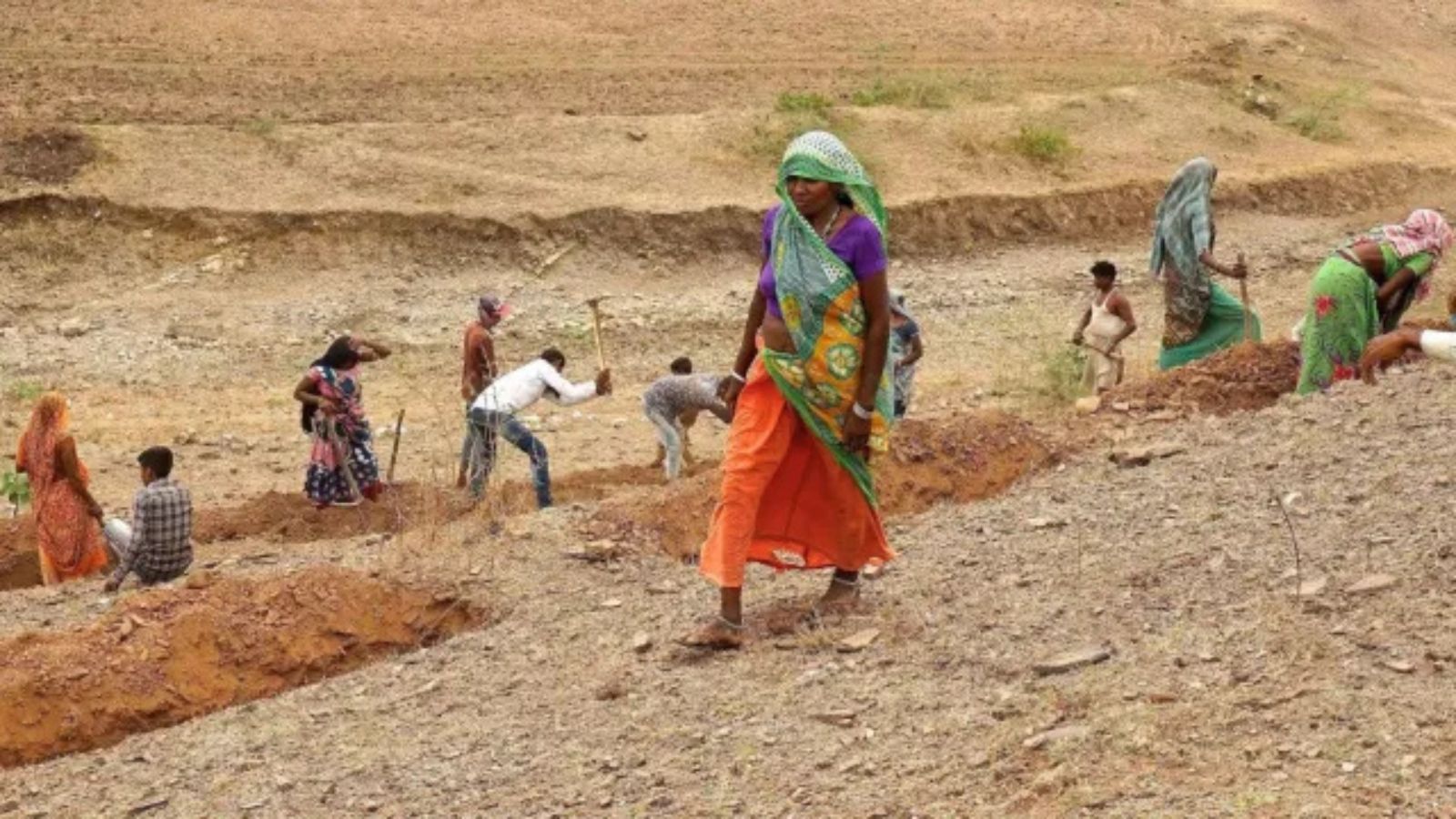
BozokMedia analysis shows that with over 1.03 crore active workers under such schemes in Rajasthan, any disruption in the transition period directly impacts the livelihood of a massive voting bloc. The political fallout depends entirely on whether the 'guarantee' in the new scheme translates into actual wages and work on the ground.
The political success of the VB-G RAM G scheme hinges on its ability to provide seamless employment transitions without the administrative bottlenecks seen in the past.
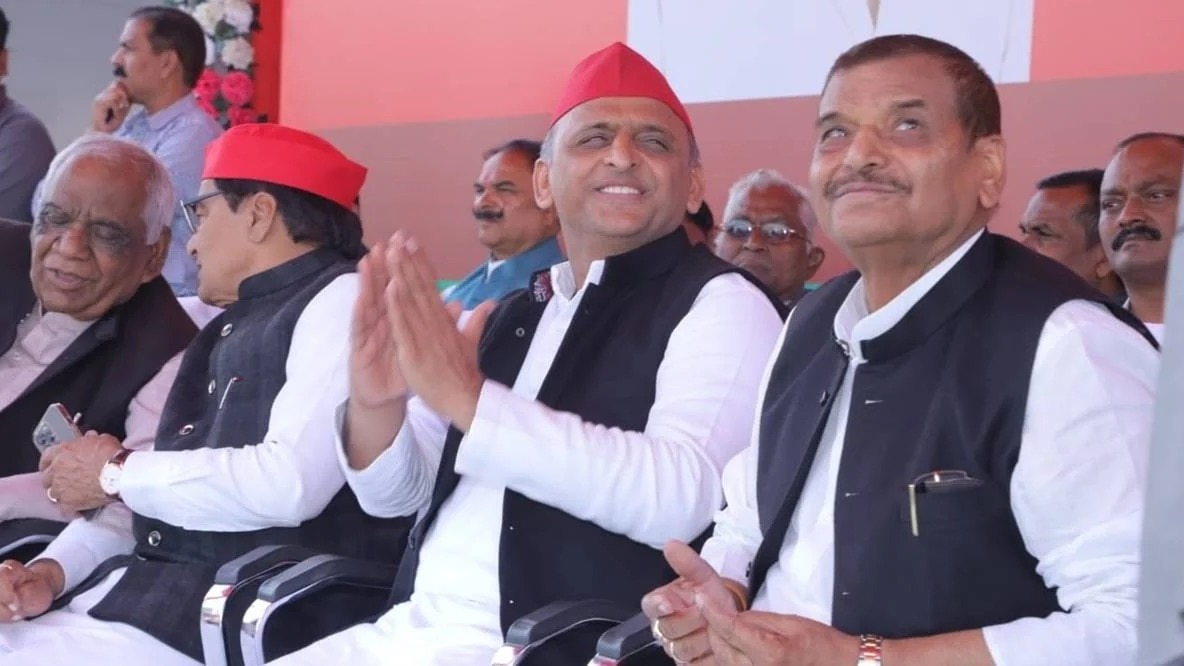
The Congress party has wasted no time in attacking the government. Spokesperson Swarnim Chaturvedi highlighted that by shifting 40% of the liability to the state government, the BJP is attempting to evade its responsibility. This is particularly sensitive in the southern tribal belts, where the Bharat Adivasi Party (BAP) is gaining ground.
Rajkumar Roat, BAP MP from Banswara, noted that despite the July 1st launch, actual employment under the new scheme has been virtually non-existent in many areas, leading to a spike in migration rates among tribal populations.
The Crisis of Autonomy for Sarpanches
Beyond the macro-politics, there is a growing sense of disenfranchisement among local leaders. Amit Meena, a sarpanch from Dausa, raised concerns regarding unpaid reimbursements for development works and the new requirement to align local plans with the PM Gati Shakti National Master Plan.
| Feature | MGNREGA | VB-G RAM G |
|---|---|---|
| Guaranteed Days | 100 Days | 125 Days |
| Primary Focus | Local demand & employment | Infrastructure & Water Security |
| Planning Authority | Gram Panchayat Led | Centralized/Integrated Planning |
Local representatives fear that the new structure reduces the power of the Gram Panchayat, moving decision-making away from the village level and into the hands of a complex bureaucracy. Even some BJP-affiliated sarpanches have expressed private resentment, fearing that the policy could alienate their own grassroots workers.
Frequently Asked Questions
1. How is VB-G RAM G different from MGNREGA?
It offers 25 additional days of employment and integrates rural work with larger national infrastructure goals like PM Gati Shakti.
2. Why are panchayat elections delayed in Rajasthan?
While not officially confirmed, political analysts suggest the transition between the two major employment acts played a significant role.