The Supreme Court has criticized the Tamil Nadu government for failing to evict encroachers in the ecologically sensitive Agasthyamalai landscape. The court has ordered strict action against government employees involved in illegal occupations.
- The Supreme Court expressed frustration over the failure to address decades-old encroachments in Agasthyamalai.
- 118 government employees, including Army and Police personnel, have been identified as encroachers.
- A complete moratorium on welfare schemes and public utilities in encroached areas has been ordered.
- The Court suggested the use of paramilitary forces for evictions to protect sensitive ecosystems.
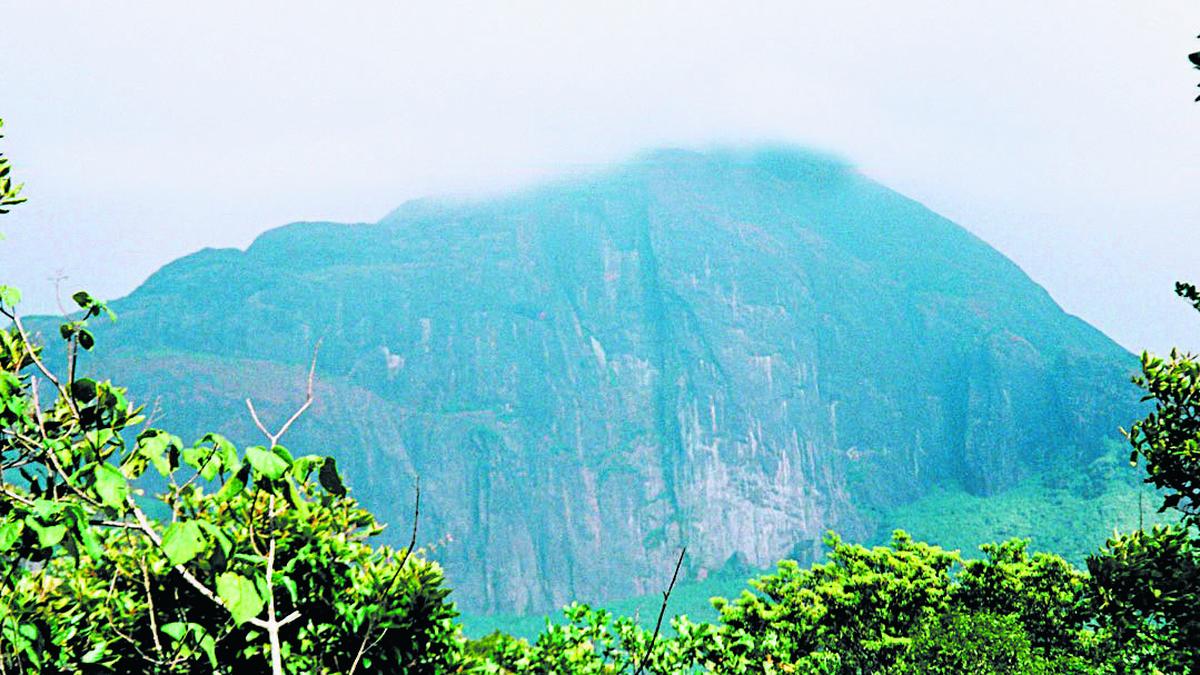
The Supreme Court of India has issued a stern reprimand to the Tamil Nadu government regarding its inability to manage and evict encroachers from the ecologically sensitive Agasthyamalai landscape. A Bench comprising Justices Vikram Nath and Sandeep Mehta noted that encroachments within protected zones, including the Kalakad Mundanthurai Tiger Reserve and the Srivilliputhur-Megamalai Tiger Reserve, have persisted for decades despite multiple judicial directives.
A Crisis of Ecological Integrity
The Central Empowered Committee (CEC) recently submitted a report highlighting the alarming scale of non-forestry activities contrary to the Forest Conservation Act, 1980 and the Wild Life (Protection) Act, 1972. In the Srivilliputhur-Megamalai Tiger Reserve, which serves as the vital upper catchment for the Vaigai River, approximately 4,595 individuals are encroaching upon over 5,071 hectares of reserved forest land. This encroachment directly threatens the water security of five downstream districts.
The persistence of illegal occupation in high-biodiversity zones undermines the very foundation of environmental law and regional water security.
Why This Matters: BozokMedia Analysis
BozokMedia analysis shows that this is not merely a land dispute but a significant failure of administrative oversight. The involvement of 118 government servants—ranging from the Forest Department to the Police and Army—suggests a systemic breakdown where those sworn to protect the law are actively violating it. The court's decision to halt all public utilities in these areas is a strategic move to prevent the 'legitimization' of illegal settlements.
Comparative Encroachment Data
| Protected Area | Encroachment Scale | Primary Concern |
|---|---|---|
| Srivilliputhur-Megamalai | 5,071.27 Hectares | Vaigai River water source protection |
| Kanyakumari Wildlife Sanctuary | 427.40 Hectares | Lack of verified forest maps |
| Kalakad-Mudanthurai | 10.16 Hectares | 998 displaced families |
In response to the challenges cited by the State—such as the economic vulnerability of landless encroachers—the Supreme Court clarified that rehabilitation complexities cannot serve as a perpetual excuse for the indefinite postponement of legally mandated evictions. The Court has ordered a blanket moratorium on electricity, transport, and infrastructure support within these encroached zones.
Historical Background
The Agasthyamalai landscape is one of India's most biodiverse regions. Since 2025, the Supreme Court has been monitoring this area through the CEC to ensure that non-forestry activities do not degrade the landscape. The recent findings suggest that despite high-level monitoring, the scale of illegal cultivation (cardamom, beans, etc.) has continued to expand.
Frequently Asked Questions
Question 1: What action did the Court take against government employees?
Answer: The Court directed that disciplinary and legal action must be initiated against the 118 identified government servants involved in encroachment.
Question 2: Will new infrastructure be allowed in these areas?
Answer: No, the Court has ordered a complete prohibition on any new non-forestry activities and a moratorium on public utilities in encroached forest lands.